Google’s Gemini Spark is the 24/7 Agent We’ve Been Waiting for—And It’s Already Reading Your Emails
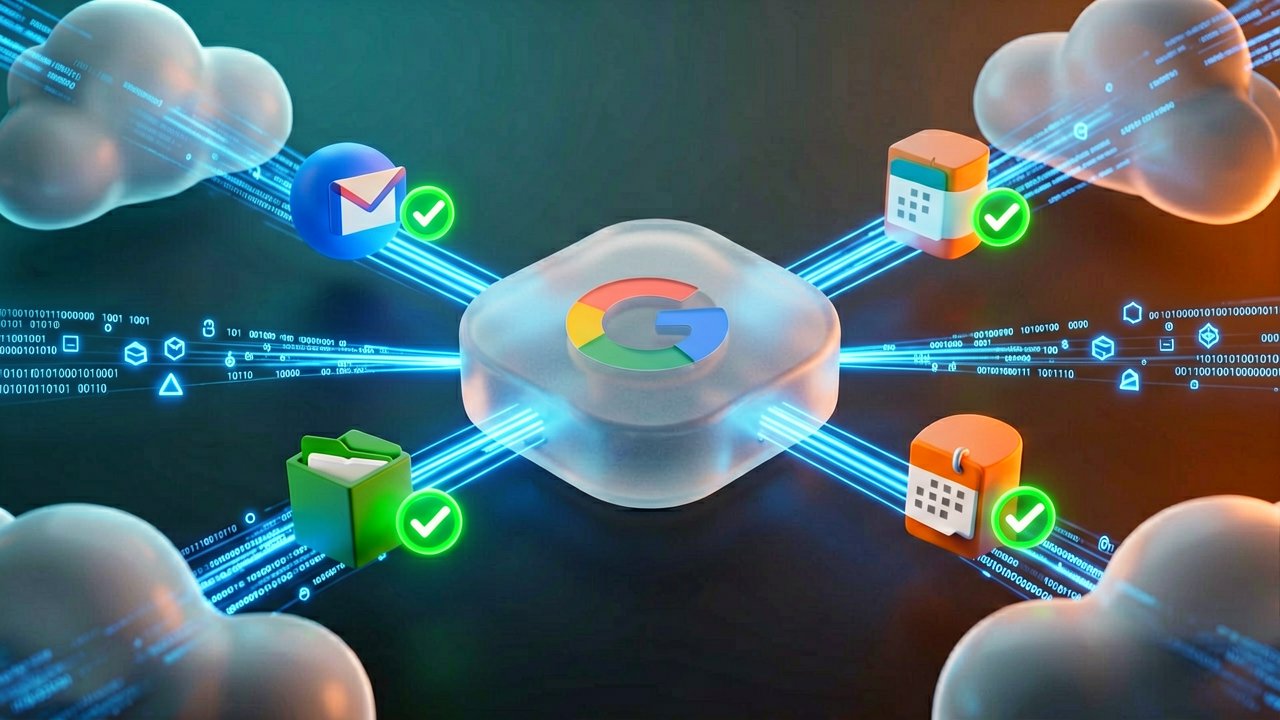
Google just dropped a bombshell at I/O 2026, and it isn't another chatbot that simply waits for you to say "hello." It’s called Gemini Spark, a persistent, "always-on" AI agent that finally bridges the gap between talking to a machine and actually getting things done. Powered by the lightning-fast Gemini 3.5 Flash model and a new agentic harness called Antigravity, Spark is designed to operate autonomously in the background. Unlike the static assistants of yesteryear, this thing doesn't need a constant stream of prompts; it lives in your Google Workspace, watching for tasks it can handle while you’re busy elsewhere, according to early reports from TechCrunch.
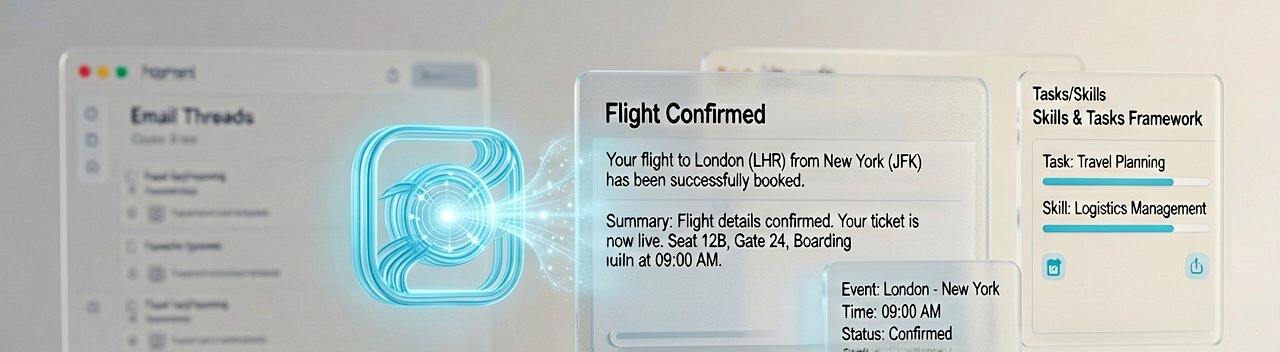
What makes Spark genuinely interesting—or slightly terrifying, depending on your privacy threshold—is its proactive nature. Instead of just summarizing a thread, Spark can recognize that a flight confirmation landed in your inbox, cross-reference your Calendar for conflicts, and draft a response to your hotel, all without you lifting a finger. It basically treats your digital life as a series of actionable events rather than a pile of data. According to The Verge, it can even monitor credit card statements for sneaky subscription fees or build dynamic study guides that update as you add new documents to Drive.
Google is rolling this out first to Google AI Ultra subscribers and select business users in the U.S., framing it as a direct competitor to "OpenClaw" and other emerging agent platforms. While the company insists that Spark isn't reading every email indiscriminately—it supposedly only acts under your general direction—the level of integration here is unprecedented. It connects natively to Gmail, Drive, Docs, and Maps, effectively turning your entire Google ecosystem into a single, cohesive brain that never sleeps, as detailed on the official Gemini Spark landing page. It’s a bold play to make AI an invisible utility rather than a destination app.
The "Antigravity" Engine and 24/7 Autonomy
The secret sauce behind Spark's endurance is the Antigravity harness, which allows the agent to run on virtual machines in Google Cloud even when your phone is turned off. This isn't just a clever name; it’s a shift in how AI consumes resources. By offloading the "thinking" to the cloud, Google ensures that Spark can complete long-horizon tasks—like planning a multi-city trip or managing a complex project timeline—without draining your local battery. Tech analysts from Mashable noted that this architecture allows for "agentic memory," where the AI remembers your specific style and project context across different sessions.
Beyond Chat: Tasks, Skills, and Schedules
To keep Spark from going rogue, Google introduced a framework called Tasks, Skills, and Schedules. Users can "teach" Spark specific behaviors—like "always archive newsletters after summarizing them"—which then become permanent Skills the agent uses daily. It’s a move away from the prompt-engineering fatigue that has plagued early LLM adoption. Instead of writing a paragraph every morning, you set a Schedule once, and Spark executes the routine autonomously. This modular approach suggests that Google isn't just trying to build a better Siri, but a personalized operating system for your professional life, as highlighted by MindStudio.
The Shift from Passive Chatbot to Active Proxy
Beyond the Headlines: The arrival of Gemini Spark marks the definitive end of the "chatbot era" and the beginning of the "agentic age," a transition Google has been telegraphing since the first iterations of Duplex. While the general public sees a smarter assistant, industry insiders recognize a fundamental rewrite of Google’s service layer. Spark isn’t just an interface; it’s a delegation engine. For years, Google struggled with the "hallucination hurdle" that made users wary of letting AI send emails on their behalf. By grounding Spark in the Antigravity harness, Google has essentially created a sandbox where the AI can verify its own actions against real-world data before hitting "send," a move that finally addresses the trust gap that crippled earlier attempts at automation.
Stakeholder reactions have been tellingly polarized. On one hand, productivity enthusiasts view the persistent nature of Spark as the "holy grail" of personal computing. The ability for an agent to operate while the user is offline solves the latency issues that made previous voice assistants feel like clunky novelties. However, data sovereignty advocates are sounding the alarm. To function effectively, Spark requires "Full-Read" access to a user’s most sensitive silos—financial statements, private drafts, and travel logs. This creates a massive honey-pot of behavioral data that, even if encrypted, gives Google an unprecedented level of insight into the "dark matter" of our daily schedules that was previously unindexed by search engines.
Historically, this level of integration was the domain of boutique startups like Rabbit or Humane, both of which struggled with hardware limitations. Google’s masterstroke was bypassing the need for a new device altogether. By baking Spark directly into the Chrome and Android kernels, they’ve turned billions of existing screens into portals for this agent. This vertical integration makes it incredibly difficult for third-party developers to compete. If Spark can preemptively book a table via OpenTable because it saw a calendar invite, the user never needs to open a standalone app, effectively turning Google into the ultimate gatekeeper of the service economy.
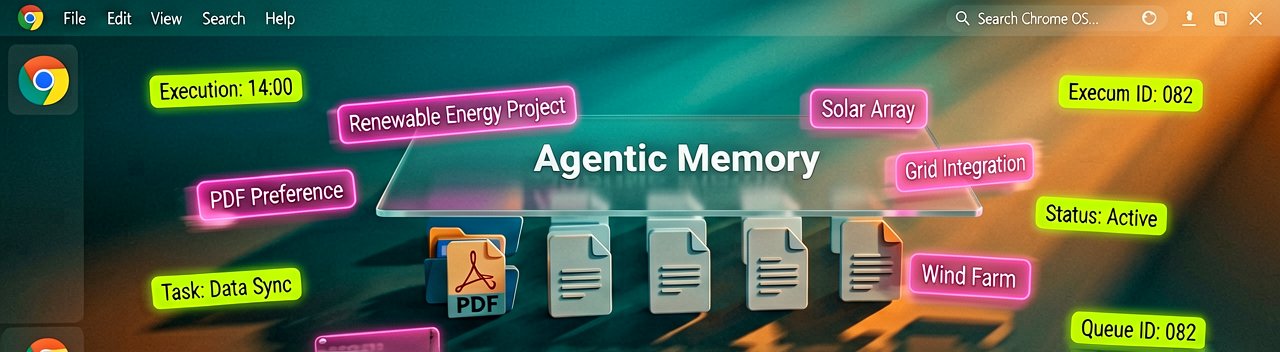
The technical nuance that most reports gloss over is the "contextual persistence" model. Standard LLMs treat every prompt as a new start, but Spark uses a specialized vector database to maintain a rolling "state" of your life. This means it doesn't just remember that you like coffee; it remembers that you are currently in the middle of a three-week project on renewable energy and that you prefer PDF sources over web links for that specific task. This level of long-term memory allows Spark to provide continuity that feels remarkably human, mimicking the workflow of a high-level executive assistant who has worked with a boss for years.
From a market perspective, Spark is a defensive play against the rise of specialized AI hardware. By proving that the phone in your pocket is already "AI-native" enough to handle autonomous tasks, Google is attempting to neutralize the threat of the "Post-Smartphone" era. The gamble is that users will value the convenience of their existing ecosystem over the novelty of a new gadget. As Spark rolls out across Workspace, the measure of its success won't be how many people talk to it, but how many tasks it quietly completes without ever needing to be asked in the first place.
The Paradox of Proactive Efficiency
Reading Between the Lines: The tech industry has a long history of selling "autonomy" while delivering "dependency," and Gemini Spark appears to be no exception. While Google pitches Spark as a tool to liberate users from the drudgery of digital chores, the reality may be a tighter loop of ecosystem lock-in. By delegating our decision-making—even minor choices like choosing a flight or drafting a reply—we are essentially outsourcing our agency to an algorithm optimized for Google’s retention metrics. The contradiction is stark: we are being told that the only way to reclaim our time is to give a single corporation total oversight of every private interaction we conduct.
There is also the matter of "shadow labor" that remains unaddressed in the marketing gloss. For an agent to be truly proactive, it must guess. When it guesses wrong—booking a non-refundable flight on the wrong day or misinterpreting a nuanced email from a client—the cognitive load of fixing the AI's mistake is often higher than if the user had simply performed the task themselves. This creates a new kind of digital anxiety where the user is no longer a creator, but a high-stakes editor of their own life, constantly double-checking the "helpful" ghosts in their machine to ensure their professional reputation remains intact.
Furthermore, the fiscal implications for the broader web are potentially devastating. If Spark summarizes the web, books the services, and manages the communication without the user ever clicking a link, the ad-supported economy that sustains the very data Spark "learns" from begins to collapse. Google is effectively building a vacuum that sucks the value out of the open internet to power a private assistant. This measured skepticism suggests that while Spark might be a triumph of engineering, it could simultaneously be a "scorched earth" strategy for the information ecosystem, leaving behind a web of "ghost sites" that no one ever visits because their agent did it for them.
Ultimately, Spark’s success hinges on whether it can move past the "uncanny valley" of personal assistance. Human assistants understand subtext, office politics, and the strategic value of silence—things an LLM, no matter how "persistent" its memory, struggles to grasp. If Spark lacks the social intelligence to know when not to send an automated follow-up, it risks becoming the world’s most sophisticated spam bot. The projection here isn't just about technical capability, but about the social friction caused when an "always-on" agent interacts with a world that still values human nuance and the occasional need to be unreachable.
We’ve spent decades trying to teach computers to think like humans, only to realize we’ve actually just built a very expensive way to ensure we never have to talk to each other ever again.
Artūras Malašauskas is an AI Systems Integrator with 20+ years of production-grade web engineering experience. He has designed, shipped, and scaled enterprise Python/PHP systems for logistics, SaaS, and public-sector clients. For the past year, he has focused exclusively on AI integrations: deploying open-source LLMs, building generative media pipelines (image, audio, video), and engineering multi-agent workflows for real production environments. His standard: reproducibility, security, cost-efficient inference—no vaporware. He documents and evaluates emerging AI tooling, separating verified capabilities from marketing noise. Technical editor at: muza-ai.eu, ai-verslas.lt, ai-naujinos.lt Connect on LinkedIn
Comments