Smartling Just Dropped Its Biggest AI Update Ever: Is This the End of Translation as We Know It?
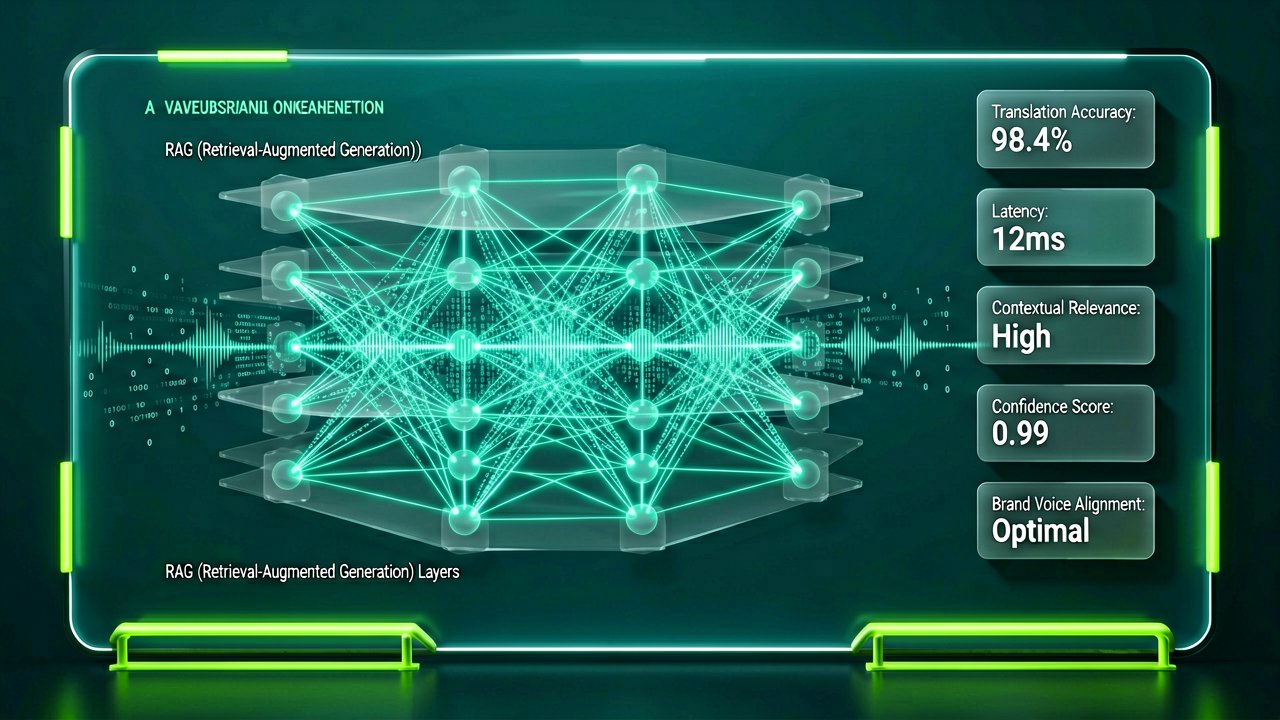
The enterprise translation landscape just shifted under our feet. Smartling, a long-time heavyweight in the language services space, has officially pulled the curtain back on what it calls its largest AI innovation release to date. This isn't just another incremental patch or a flashy UI skin; it’s a fundamental overhaul of how global brands handle content at scale. By leaning heavily into Large Language Models (LLMs), the company is making a bold bet that the old-school human-only workflow is no longer fast enough or cheap enough for the modern internet. They’re aiming to bridge the gap between "machine-translated gibberish" and "expensive artisanal prose" with a suite of tools that feel remarkably intuitive.
At the heart of this release is a heavy emphasis on "Neural Machine Translation" combined with real-time adaptation. The platform now uses sophisticated algorithms to analyze a brand’s unique voice and terminology, ensuring that the AI doesn't just swap words, but actually maintains the intended "vibe" of the content. For enterprise leaders who’ve spent years worrying about their brand identity getting lost in translation, this is a massive olive branch. It’s about more than just efficiency; it’s about finally achieving that elusive "local" feel without needing a small army of linguists for every single social media post or product description.
Automating the Nuance
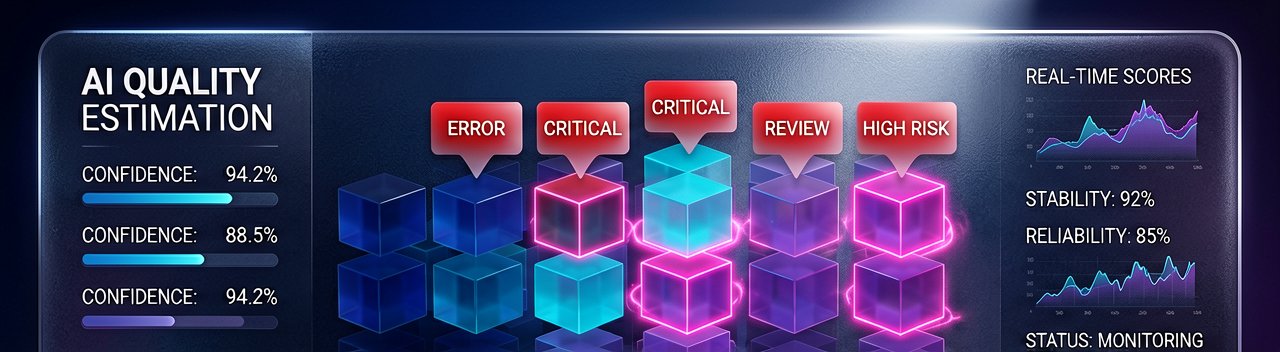
One of the standout features in this rollout is the enhanced Quality Estimation (QE) tool. Historically, the biggest bottleneck in translation has been the human review phase—the part where a person has to check if the computer actually did a good job. Smartling’s new AI-powered QE aims to automate a huge chunk of that vetting process. By predicting the quality of a translation instantly, the system can flag high-risk segments for human eyes while letting the straightforward, high-confidence stuff pass through the pipeline without delay. It’s a smart way to allocate human brainpower where it actually matters, rather than wasting it on repetitive chores.
The implications for the industry are hard to ignore. As companies scramble to keep up with the breakneck speed of global content consumption, Smartling is positioning itself as the necessary connective tissue between high-level AI tech and practical business application. This release proves they aren't just watching the AI revolution from the sidelines—they're trying to lead it by making enterprise-grade translation accessible to anyone with a global vision. For more details on the technical specifications and the full list of new features, you can check the official announcement from Smartling.
Behind the Scenes: Why This Release Marks a Final Break from Legacy Localization
What Most Reports Miss: While the headlines are buzzing about "AI," the real story here is the quiet death of the traditional "bill-by-the-word" translation model. For decades, the localization industry operated like a specialized factory: content went in, a human painstakingly swapped words, and the client paid for every single character. Smartling’s latest innovation, specifically the launch of the LQA Agent and Auto Select LLM, signifies a move toward a "results-oriented" architecture. Instead of managing people, enterprise leaders are now managing an ecosystem where the AI decides which model—be it GPT-4, Claude, or a specialized neural engine—is best suited for a specific sentence based on historical performance data.
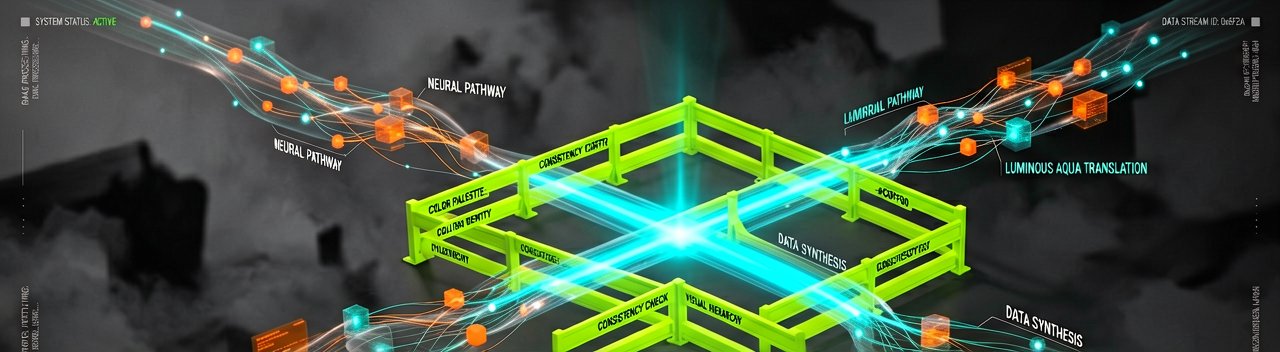
Historical context is key to understanding why this matters now. Five years ago, machine translation was a "budget" option relegated to low-stakes internal memos. Today, Smartling is proving that AI can handle high-stakes brand voice through what they call "Style Rules for AI." This feature acts as a digital guardrail, feeding brand-specific personality traits directly into the LLM prompt via Retrieval-Augmented Generation (RAG). By doing so, they have solved the "hallucination" problem that previously kept risk-averse legal and marketing teams from fully embracing automation. It transforms the AI from a simple translator into a brand-aware copywriter that knows exactly when to be formal or when to use localized slang.
Stakeholder perspectives within the company highlight a shift in how they view human expertise. CEO Bryan Murphy has consistently messaged that this isn't about replacing the linguist, but about evolving their role into that of a high-level auditor. The introduction of the Language Quality Estimation (LQE) Agent allows the platform to predict error rates before a human even touches the text. From a project manager's standpoint at a company like Smartling, this means the end of "blind" reviews. They can now funnel their human budget into the top 5% of content that actually requires creative nuance, while the "Instant AI Translation" handles the bulk of transactional data.
The ripple effect across the enterprise is already visible in early adoption stats. Large-scale users like IBM have reported cutting localization times by half, a feat that would have been physically impossible under old human-centric workflows. This velocity is the new currency of global business. When a company can launch a product in 170 countries simultaneously rather than staggering releases over months, the competitive advantage is massive. Smartling is essentially betting that the future of global communication isn't just about language, but about the sheer speed of cultural synchronization made possible by these deeply integrated AI agents.
The Hidden Cost of Frictionless Content
Reading Between the Lines: The industry’s rush toward "zero-friction" translation via Smartling’s new AI agents ignores a fundamental tension: the more we automate brand voice, the more generic that voice risks becoming. While Smartling’s use of Retrieval-Augmented Generation (RAG) is designed to keep AI within the guardrails of a company’s style guide, there is a legitimate concern regarding the "echo chamber" effect. If every enterprise uses similar LLMs to refine their localized content based on the same sets of historical data, we may be entering an era of linguistic homogenization where the unique, gritty texture of local dialects is polished away in favor of a safe, mathematically optimized corporate average.
There is also the glaring contradiction of "Quality Estimation" as a replacement for human intuition. Smartling’s LQE Agent is essentially an AI grading another AI’s homework. While the efficiency gains are undeniable, this creates a recursive loop where the software defines what "good" looks like based on its own internal logic. For a tech journalist, this raises a red flag regarding accountability. When a localized marketing campaign misses a cultural nuance that leads to a PR disaster, the blame cannot be pinned on an algorithm. The enterprise must decide if the cost savings of bypassing human reviewers are worth the potential risk of a "high-confidence" AI error that passes through the system unnoticed.
Furthermore, the promise of massive scalability may actually lead to "content pollution." When the cost of translating a million words drops toward zero, companies are incentivized to flood every market with every piece of collateral they’ve ever produced, regardless of its actual value to the local consumer. We are moving from a world of curated, high-impact localized messaging to a world of sheer volume. Smartling is providing the engine for this expansion, but it remains to be seen if global audiences actually want more content, or if they simply want better, more meaningful engagement that a machine—no matter how well-prompted—might struggle to replicate.
The long-term implication for the workforce is equally complex. Smartling frames this as "empowering" linguists, but the reality looks more like a pivot toward high-speed data entry and error-checking. As the platform handles the heavy lifting, the role of the translator shifts from a creative writer to a "human-in-the-loop" sensor. For more on how this shift is being managed at the corporate level, the technical documentation at Smartling outlines the specific workflows intended to keep this balance from tipping too far toward total automation.
"We’ve finally reached the pinnacle of human achievement: building incredibly sophisticated machines that allow us to ignore people in thirty different languages simultaneously, all while saving 40% on the quarterly localization budget."
Artūras Malašauskas is an AI Systems Integrator with 20+ years of production-grade web engineering experience. He has designed, shipped, and scaled enterprise Python/PHP systems for logistics, SaaS, and public-sector clients. For the past year, he has focused exclusively on AI integrations: deploying open-source LLMs, building generative media pipelines (image, audio, video), and engineering multi-agent workflows for real production environments. His standard: reproducibility, security, cost-efficient inference—no vaporware. He documents and evaluates emerging AI tooling, separating verified capabilities from marketing noise. Technical editor at: muza-ai.eu, ai-verslas.lt, ai-naujinos.lt Connect on LinkedIn
Comments