Beyond the Code: How Nexon NDC 2026 is Reshaping the Gaming Playbook
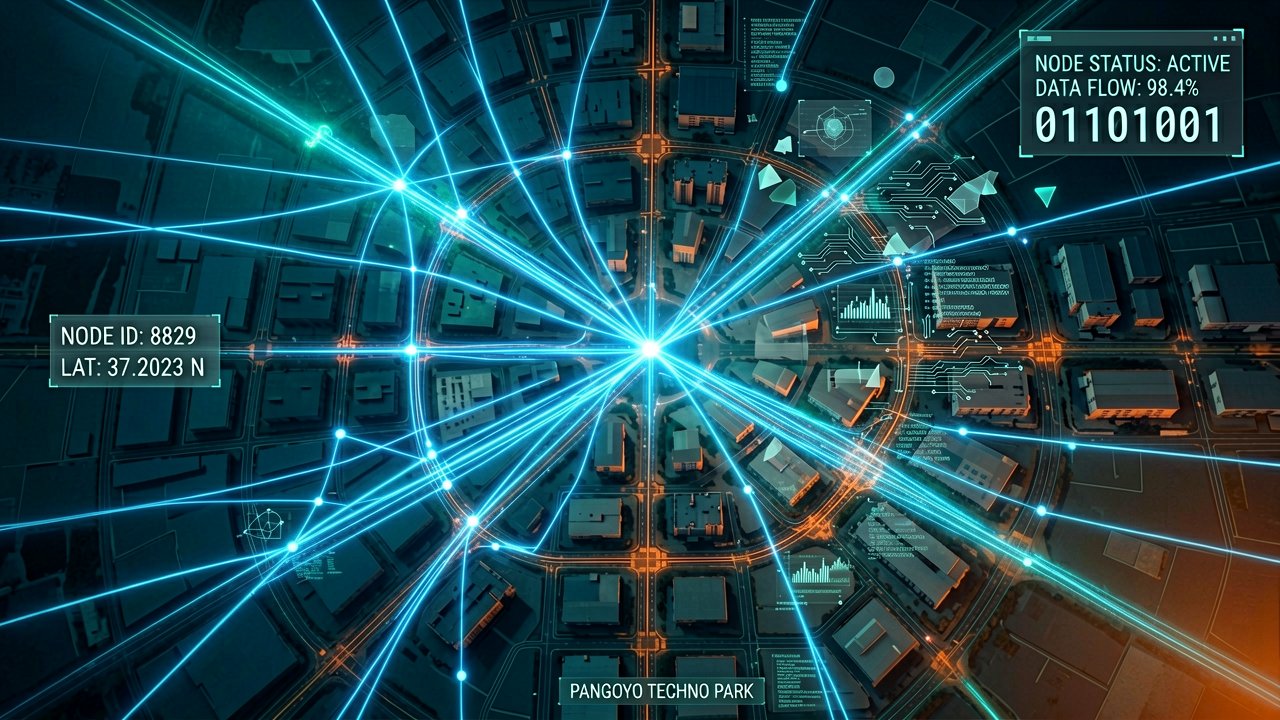
The gaming world isn't just about high scores anymore; it’s about high-level intelligence and the seamless blending of art and technology. This June, the industry is turning its eyes toward Pangyo, South Korea, as the 19th annual Nexon Developers Conference (NDC) prepares to pull back the curtain on the next era of play. Running from June 16 to June 18, 2026, the event has transitioned from a small internal gathering into a massive knowledge-sharing hub, welcoming everyone from seasoned pros to aspiring students eager to see how giants like Nexon, Krafton, and Google DeepMind are navigating the current technological shift.
It’s no secret that AI is the guest of honor this year. While the conference spans nine distinct tracks—including game design, blockchain, and visual arts—the schedule is noticeably heavy on machine learning and large language models. This isn't just theory; it’s about practical "boots-on-the-ground" applications. We’re seeing sessions dedicated to character dialogue writing, automated testing, and even predicting user behavior to keep live services running smoother than ever. Developers are no longer asking if AI belongs in their workflow, but rather how deeply they can integrate it without losing that human creative spark.
The AI Revolution and Global Heavy Hitters
Nexon isn't gatekeeping its success. Instead, the company is using NDC 2026 to foster an ecosystem where competitors and collaborators alike can trade notes. Key sessions will feature insights from Inven Global reports, including speakers from Snowflake, Roblox, and NC AI. Notably, Embark Studios—the creative force behind the global hit ARC Raiders—is set to lead three specific talks focusing on how they’ve harnessed machine learning and data to build immersive worlds that resonate with Western and Asian audiences alike.
Art, Sound, and the Soul of Development
While the tech side is flashy, the conference remains grounded in the "soul" of gaming. An expansive art exhibition at Nexon’s headquarters will showcase over 150 pieces of artwork and game sound designs, proving that even in a data-driven world, the aesthetic experience remains king. According to The Chosun Daily, last year’s event drew over 7,600 in-person attendees, and with registration opening on a rolling basis this May, the 2026 edition is expected to be even more packed. For those who can't make the trek to Seongnam, live streams will ensure the "present and future" of game development is accessible to a global audience hungry for the next big breakthrough.
Behind the Scenes: The Cultural Engine Powering NDC 2026
The Industrial Pivot: What most reports miss is that NDC 2026 isn't just a corporate PR exercise; it’s a survival guide for an industry currently undergoing a painful metamorphosis. Historically, South Korean development was defined by the "crunch" of PC MMORPGs, but the sessions scheduled for this year reflect a radical shift toward global cross-platform sustainability. Nexon’s leadership is no longer just talking about how to make games bigger, but how to make them smarter. By inviting competitors like Krafton and NCSOFT to share the stage, they are signaling that the complexity of modern game engines has reached a point where collective problem-solving is the only way to keep development costs from spiraling out of control.
The role of "Live Operations" (LiveOps) has also seen a massive elevation in status at this year's conference. While the flashy AI-generated trailers get the clicks, the veteran journalists in the room are focusing on the dry, data-heavy sessions about retention. One significant highlight is the "Data Science for Player Sentiment" track, where engineers are demonstrating how they use neural networks to identify "churn" behavior before a player even realizes they are bored. This isn't just about profit; it’s about the architectural challenge of keeping a virtual world breathing for a decade or more, a feat Nexon has mastered with titles like MapleStory and Dungeon&Fighter.
From the stakeholder perspective, there is a palpable tension regarding the "Pangyo Bubble." Many mid-sized studios are looking to Nexon’s successful pivot to the Western market with Dave the Diver as a blueprint for creative independence. The conference has dedicated a surprising amount of floor space to "Indie-Nexon" collaborations, suggesting that the giant is looking to inject boutique creativity into its massive corporate structure. This hybrid model—combining the raw, experimental energy of indie developers with the infrastructure of a multi-billion dollar publisher—is the real experiment being tested on the NDC stage this June.
Furthermore, the historical context of NDC’s evolution cannot be ignored. It began in 2007 as a private internal seminar with only 33 sessions, intended strictly for Nexon employees to trade tips. Seeing it evolve into a 100-session behemoth that dictates the pulse of Asian game development is a testament to the region's maturity. According to industry analysis from The Korea Times, this openness has been a primary driver in South Korea’s ability to compete with Western giants, turning a localized knowledge pool into a global standard for free-to-play economics and high-fidelity mobile gaming.

Finally, we have to look at the human element—the "Sound and Vision" track. Amidst the talk of algorithms, the inclusion of over 150 physical art pieces at the venue serves as a deliberate anchor to reality. Senior creative directors at the event have been vocal about the "Uncanny Valley of Logic," arguing that while AI can optimize a game’s economy or its grass textures, it cannot replicate the specific, often illogical, creative choices that make a game world feel "lived in." This year’s NDC is shaping up to be the battlefield where the efficiency of the machine meets the stubborn intuition of the artist.
Reading Between the Lines: The Friction of Progress
The Great Optimization Paradox: There is a persistent myth at NDC 2026 that more data inevitably leads to better games. While the keynote speakers champion the efficiency of generative pipelines, a seasoned observer will notice a quiet contradiction brewing in the panel discussions. We are witnessing an era where the cost of entry is falling thanks to AI, yet the cost of "standing out" is skyrocketing. If every studio uses the same optimized LLMs for dialogue and the same procedural tools for world-building, we risk entering a period of digital homogeneity. The very tools meant to unleash creativity may accidentally curate it into a predictable, safe, and ultimately sterile middle ground.
Furthermore, the industry's obsession with "LiveOps" and predictive churn modeling suggests a shift from game development to psychological management. When a conference track focuses heavily on identifying player boredom before it happens, the game ceases to be an artistic expression and becomes a finely tuned feedback loop. The skepticism felt by many veteran developers at the venue is rooted in this tension: the more we use technology to "solve" the player, the less room we leave for the happy accidents and jagged edges that gave birth to the industry’s most cult-classic hits. High-fidelity visuals are losing their currency as they become a commodity, leaving developers to wonder what actually constitutes "value" in a post-asset-scarcity world.
There is also the matter of the "Pangyo-Global Gap." While Nexon is aggressively courting Western audiences with a more "premium" aesthetic, the underlying monetization logic remains deeply rooted in the aggressive micro-transaction culture of the East. This creates a fascinating, if sometimes jarring, hybrid product. NDC 2026 presents a polished vision of global harmony, but the technical sessions reveal a desperate scramble to localize not just language, but the very psychology of reward systems. It remains to be seen if a machine-learned algorithm can truly navigate the cultural nuances of "fun" across such vastly different demographics without feeling exploitative.
Finally, we must address the elephant in the server room: the sustainability of this technological arms race. The sheer computational power required to run the real-time AI environments discussed by The Korea Times and other observers carries a staggering environmental and financial price tag. As mid-sized studios look to adopt these "essential" tools, many may find themselves priced out by the cloud-computing costs alone. The democratization of development via AI is a compelling narrative, but the reality might be a further consolidation of power among the few giants who can actually afford the electricity to keep their "intelligent" worlds spinning.
"We’ve spent forty years teaching computers how to simulate the real world, and it seems we’ve finally succeeded; we now have games so realistic and data-driven that they’ve managed to replicate the most immersive human experience of all—a mid-level management meeting about efficiency metrics."
Artūras Malašauskas is an AI Systems Integrator with 20+ years of production-grade web engineering experience. He has designed, shipped, and scaled enterprise Python/PHP systems for logistics, SaaS, and public-sector clients. For the past year, he has focused exclusively on AI integrations: deploying open-source LLMs, building generative media pipelines (image, audio, video), and engineering multi-agent workflows for real production environments. His standard: reproducibility, security, cost-efficient inference—no vaporware. He documents and evaluates emerging AI tooling, separating verified capabilities from marketing noise. Technical editor at: muza-ai.eu, ai-verslas.lt, ai-naujinos.lt Connect on LinkedIn
Comments