Nexon’s MapleStory Universe: The Blueprint for the "Infinite IP Playground"
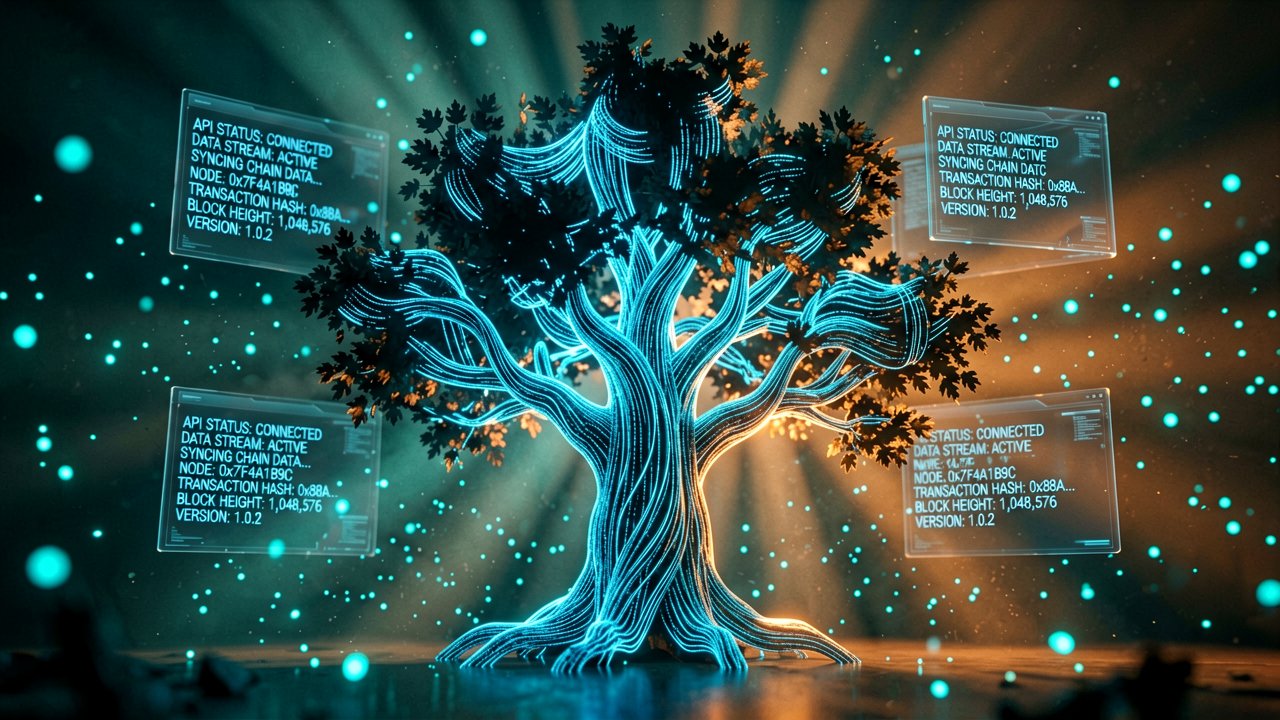
Nexon is fundamentally rewriting the playbook for legacy franchises by evolving its storied MapleStory IP into a decentralized "AI IP Platform" known as MapleStory Universe. This isn’t just a simple blockchain port; it is a systemic overhaul designed to dismantle the walls between developer and player. By deploying the "VIBE IP" framework on the Avalanche-based Henesys chain, Nexon is providing the community with professional-grade APIs and AI-driven "Vibe Coding" tools. These resources allow even non-developers to create on-chain content, while the underlying protocol automates the once-convoluted processes of licensing and revenue settlement. With MapleStory N already processing over 150 million on-chain transactions, the company is backing this vision with a $50 million ecosystem fund to ensure the "Infinite IP Playground" remains a sustainable, player-driven economy.
Behind the Scenes: Engineering a Self-Sustaining Digital State
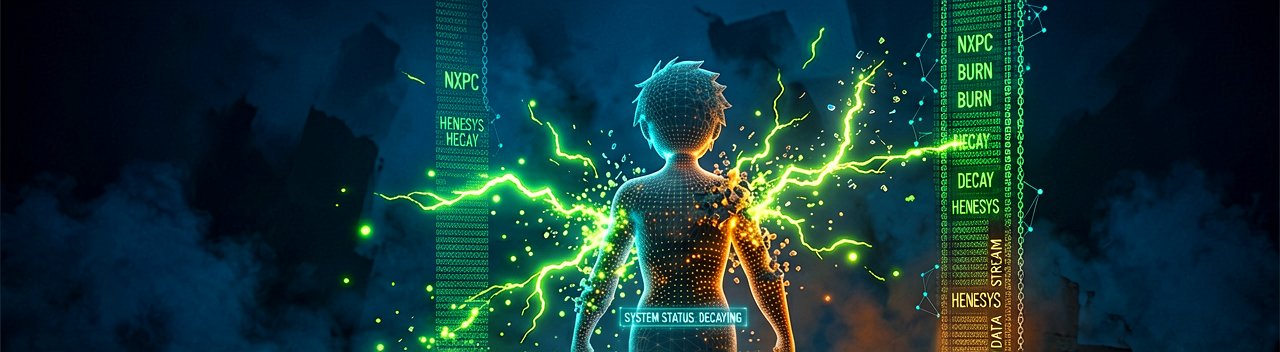
What Most Reports Miss: The pivot to MSU 2.0 represents more than just a tech upgrade; it’s a calculated response to two decades of managing one of the world's most complex virtual economies. For years, MMORPG developers have struggled with "item inflation" and the "black market" drain of value. By moving to the Henesys L1 chain, Nexon isn't just embracing NFTs for the sake of trends. They are using blockchain to create a transparent, limited-supply item system where every rare drop is tracked on-chain. This structural scarcity, combined with the "NXPC" token’s burn mechanisms, aims to solve the hyper-inflation that typically plagues aging live-service games. According to analysts at Messari, this setup positions the platform as a multi-IP framework that could eventually host external franchises beyond Nexon’s own portfolio.
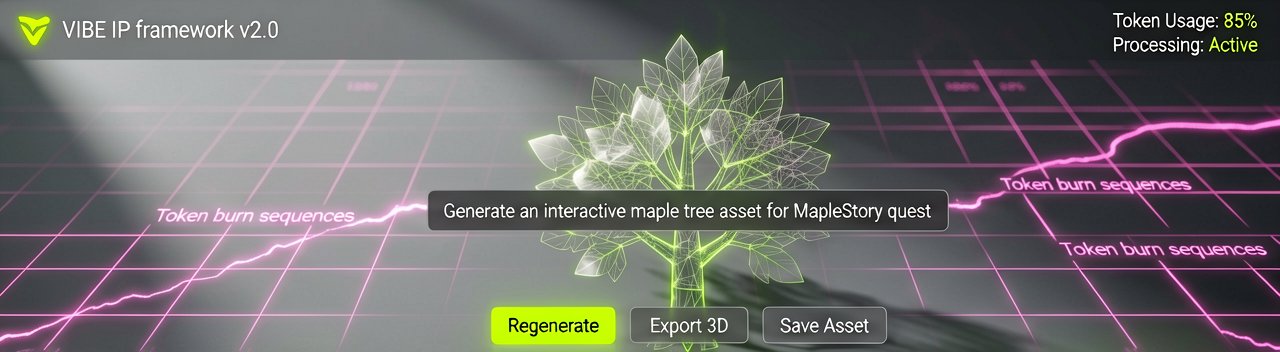
The introduction of "Vibe Coding" is perhaps the most aggressive play for the "AI IP" title. Traditional user-generated content (UGC) is often limited by the creator's technical skill or the developer’s willingness to share assets. Nexon’s new AI tools lower this barrier, allowing players to generate sophisticated in-game experiences—from custom quests to unique item sets—using natural language and AI assistance. This shifts the developer's role from being the sole content creator to acting as a curator and infrastructure provider. Nexpace CEO Sunyoung Hwang has often described this as a shift toward "programmable commerce," where the IP itself becomes the platform for others to build upon, as detailed in reports by The Korea Herald.
From a stakeholder perspective, the success of the $50 million Ecosystem Fund is the ultimate litmus test for this decentralized experiment. Unlike traditional venture capital, this fund is specifically earmarked to incentivize "Synergy Apps"—third-party applications that connect directly to the MapleStory N economy. The goal is to encourage a surrounding orbit of financial tools, social platforms, and mini-games that all use the same characters and assets. This interoperability is bolstered by the use of AvaCloud technology, which ensures the high throughput required for a global player base. By integrating these external creators into a unified settlement system, Nexon is attempting to build a digital nation-state where everyone has a verifiable stake in the IP's longevity.
While the transition hasn't been without its skeptics—particularly among traditional players wary of blockchain friction—the data suggests a significant shift in engagement. Recent updates saw a massive surge in daily active users, with a notable percentage being newcomers rather than just migrating veterans. The project’s focus has moved away from speculative trading and toward "Rewards Experience" (RX), where tokens and NFTs are earned through genuine gameplay and contribution. This focus on "core fun" over "financialization" is a direct lesson learned from the first wave of Web3 gaming failures. As the ecosystem expands to include more of Nexon’s iconic titles, the MapleStory Universe serves as a high-stakes blueprint for how legacy media can survive and thrive in an era of AI-driven, decentralized creativity.
Reading Between the Lines: The Friction of Total Decentralization
Reading Between the Lines: While Nexon’s vision of an "Infinite IP Playground" is technically impressive, it rests on the precarious assumption that players actually want to be "stakeholders" rather than just gamers. The pivot to a decentralized AI platform effectively offloads the burden of content creation from a professional studio to an unpaid community, rebranded under the guise of empowerment. There is a fine line between a "player-driven economy" and a system where the fun is hollowed out to make room for market speculation and the administrative overhead of "Vibe Coding." Historically, when games become jobs, the casual player base—the very group that provides the IP with its cultural gravity—tends to exit for less complicated pastures.
Furthermore, the reliance on AI-driven creation tools introduces a significant contradiction regarding IP integrity. By allowing AI to iterate on the MapleStory aesthetic, Nexon risks diluting the very brand identity that has sustained the franchise for over twenty years. If anyone can generate "official-looking" content through Vibe Coding, the distinction between a curated masterpiece and generative noise begins to blur. Analysts at Game Developer have noted that while AI lowers the barrier to entry, it often leads to a "gray goo" of repetitive assets that lack the soul of human-led design. Maintaining a coherent world-building narrative becomes exponentially harder when the "Infinite IP" is being pulled in ten thousand different directions by automated scripts.
There is also the matter of the Henesys L1 chain’s actual independence. Despite the rhetoric of decentralization, Nexon remains the ultimate arbiter of the ecosystem's fundamental rules and the $50 million fund that fuels it. This "centralized decentralization" creates a unique risk: if Nexon decides to pivot their corporate strategy again, the creators who have invested time and capital into the Avalanche-based ecosystem may find themselves stranded on a technological island. While Avalanche provides the sub-second finality required for gaming, the long-term viability of the NXPC token depends entirely on Nexon’s willingness to stay the course in a volatile Web3 market that has seen many other titans retreat to traditional models.
Ultimately, the MapleStory Universe experiment will serve as a bellwether for the "AI IP" trend across the entire entertainment sector. If Nexon succeeds in balancing a functional economy with genuine playability, they will have solved the greatest puzzle in modern gaming. However, if the platform becomes a playground for bots and arbitrageurs instead of fans, it may serve as a cautionary tale about the dangers of over-engineering nostalgia. The transition from a beloved game to a "programmable commerce platform" is a high-wire act where the safety net is made of experimental code and shifting player sentiment.
"Turning a childhood obsession into a decentralized autonomous organization sounds like a visionary move—until you realize that managing a digital economy with a thousand 'AI-powered' teenagers is essentially like being the only adult at a never-ending birthday party where the currency is made of magic dust and everyone has a lawyer."
Artūras Malašauskas is an AI Systems Integrator with 20+ years of production-grade web engineering experience. He has designed, shipped, and scaled enterprise Python/PHP systems for logistics, SaaS, and public-sector clients. For the past year, he has focused exclusively on AI integrations: deploying open-source LLMs, building generative media pipelines (image, audio, video), and engineering multi-agent workflows for real production environments. His standard: reproducibility, security, cost-efficient inference—no vaporware. He documents and evaluates emerging AI tooling, separating verified capabilities from marketing noise. Technical editor at: muza-ai.eu, ai-verslas.lt, ai-naujinos.lt Connect on LinkedIn
Comments