Tencent’s Tusi Platform Wants to Turn Your Shower Thoughts into Software
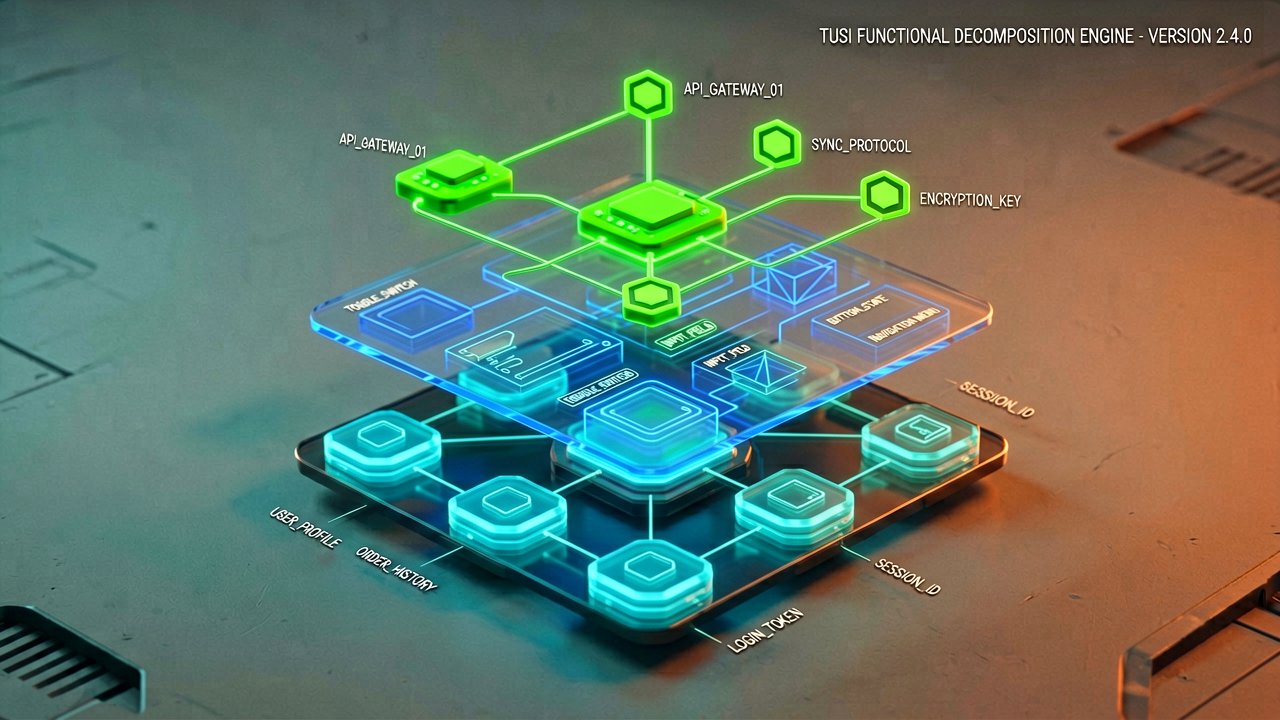
Tencent is done just giving you chatbots; now, it wants to give you the keys to the factory. The tech giant recently pulled the curtain back on Tusi (also known as "Toast"), an AI-driven "vibe coding" platform designed to bridge the gap between a random spark of inspiration and a functional mobile application. It isn't just another low-code tool for IT professionals; it’s a sandbox for the rest of us. By leaning into natural language processing, Tencent is betting that the future of software development isn’t about learning syntax, but about how clearly you can describe your "crazy idea" to a machine.
The workflow on Tusi is remarkably lean. You feed the AI a few sentences describing what you want—say, a hyper-niche habit tracker or a social tool for local gardeners—and the platform’s engines go to work. It handles the heavy lifting of functional decomposition, prototyping, and even packaging the final product into an installable APK for Android users. It’s a bold play that shifts the focus from technical barriers to "inspiration realization," effectively democratizing the role of the product manager for anyone with a smartphone and a vision.
From Idea to APK in Minutes
What makes Tusi stand out in a crowded AI field is its commitment to the full lifecycle of an app. According to reports from AIbase, the version 1.0 release centers on four pillars: creation, social sharing, an "Inspiration Square," and application search. The social element is particularly interesting—Tencent is encouraging a "creative relay" where users can share their apps as templates, allowing others to tweak the code and add their own "vibe" to the project.
Building a Co-Creation Ecosystem
While the platform is currently enjoying a free limited-time public beta, the long-term vision is clearly about building a closed-loop ecosystem. Tencent’s roadmap involves supporting full distribution and listing within the platform, turning Tusi into a hybrid of a development environment and an app store. By integrating these tools with their broader AI efforts—including the powerful Hunyuan model—Tencent is positioning itself not just as a service provider, but as the underlying infrastructure for a new generation of amateur-led software innovation.

The Strategy Behind the Vibe
The Big Picture: Tencent’s pivot toward Tusi isn't just a random product launch; it’s a calculated response to the "agentic" shift in Silicon Valley. While Western giants like Microsoft and Replit are focusing on enterprise-grade "Copilots," Tencent is leaning into the consumer-centric "vibe coding" movement. By abstracting the complexity of software architecture into a simple chat interface, they are effectively betting that the next billion-dollar app won't come from a dev shop, but from a user who simply knows how to prompt a machine. This democratized approach turns the smartphone into a development workstation, bypassing the traditional need for a high-end PC or a Computer Science degree.
Industry insiders see this as a defensive maneuver to keep users within the Tencent ecosystem as generative AI threatens to disrupt how we discover content. Historically, Tencent dominated the mobile era through WeChat's "Mini Programs," which allowed developers to build apps inside their super-app. Tusi takes this philosophy to its logical conclusion. Instead of needing a small team of developers to build a Mini Program, an individual can now use Tusi to generate a standalone Android APK. This lowers the barrier to entry to almost zero, ensuring that Tencent remains the primary gatekeeper for digital creativity in the Chinese market.
The technical backbone of Tusi relies on a sophisticated "Functional Decomposition" engine. When a user submits a prompt, the system doesn't just guess what the app should look like; it breaks the request down into logical modules—database requirements, UI components, and API integrations. This structured approach is what allows the platform to output a functional file rather than just a non-functional mockup. It represents a significant step up from early "text-to-image" AI, moving the industry into the era of "text-to-execution" where the output is a living, breathing tool.
However, the rapid rollout of Tusi also signals a potential shift in the labor economy for junior developers. As platforms like this become more competent, the market for simple, utility-based apps may become completely automated. Veteran reporters at Star Market Daily note that this reflects a broader trend among Chinese tech titans to prioritize AI applications that have immediate consumer utility. For Tencent, the goal isn't just to innovate, but to ensure that they own the platform where the "app store of the future" lives, curated not by editors, but by the users themselves.
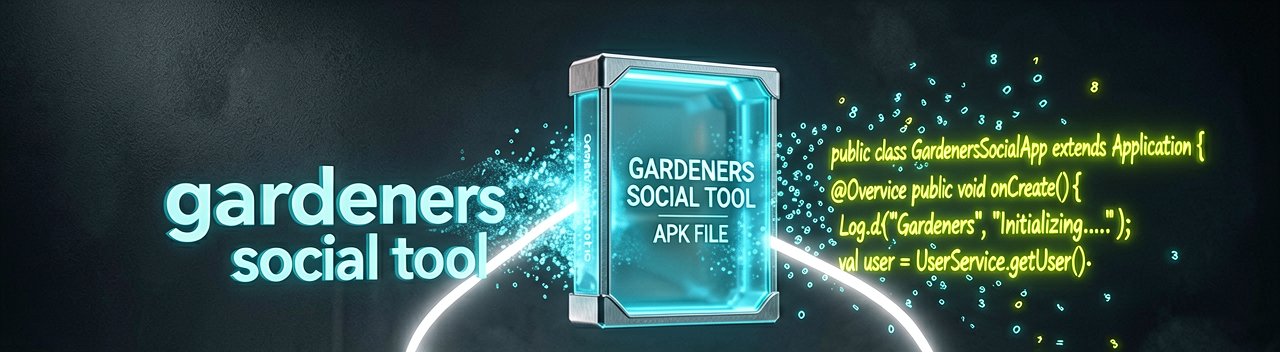
Looking ahead, the success of Tusi will depend on how Tencent handles the inevitable moderation and security challenges that come with user-generated software. Allowing anyone to compile an APK creates a massive surface area for potential malware or copyright infringement. To mitigate this, Tencent has integrated an "Inspiration Square," a moderated social hub where vetted apps can be showcased and "forked" by other users. This creates a self-correcting community of creators who can build upon each other's work, mirroring the collaborative spirit of GitHub but tailored for a mainstream audience that prefers swiping to typing code.
Ultimately, Tusi is a testament to the fact that we have entered the "post-coding" era of software development. The focus has shifted entirely to product logic and user experience design. By providing the tools to turn a "crazy idea" into a tangible product in a matter of minutes, Tencent is testing a hypothesis: that the world is full of potential software founders who were simply held back by the syntax of a programming language. If this bet pays off, the traditional app store model might soon find itself replaced by a fluid, AI-generated stream of personalized software.
The Reality Check for Automated Innovation
Reading Between the Lines: While the marketing buzz around Tusi paints a picture of a friction-less creative utopia, the technical reality of AI-generated software is often far more brittle. There is a fundamental tension between "vibe coding" and functional stability that Tencent has yet to fully reconcile. Generating a sleek UI and a basic feedback loop is one thing, but managing state, ensuring data persistence, and handling edge cases without a human developer to audit the logic is quite another. The risk is a deluge of "disposable software"—apps that look impressive for five minutes but crumble the moment they encounter a non-standard user input or a connectivity hiccup.
Furthermore, the democratization of app creation inevitably leads to a massive signal-to-noise problem. If the barrier to entry is zero, the "Inspiration Square" risks becoming a digital junkyard of half-baked concepts and redundant utility tools. Tencent’s strategy assumes that the community will naturally curate the best content, but algorithmic curation has a historical tendency to reward viral gimmicks over deep utility. This creates a paradox where the tools meant to empower creators might actually bury meaningful innovation under a mountain of AI-generated fluff, making it harder for truly useful, niche applications to find an audience.
There is also the looming question of data sovereignty and platform lock-in. By using Tusi, creators are essentially building on rented ground with tools that they don't own and logic they can’t fully inspect. Unlike open-source frameworks, an app born in the Tusi ecosystem is tethered to Tencent’s proprietary models and cloud infrastructure. This creates a "gilded cage" scenario where the ease of creation comes at the cost of long-term independence. For a serious entrepreneur, building a business on a platform where the underlying code is a black box generated by a third-party AI is a gamble that requires a high degree of blind faith in Tencent’s corporate longevity.
Moreover, the regulatory landscape for AI-generated binaries remains a legal gray area. As noted by analysts at South China Morning Post regarding the broader tech crackdown, Chinese regulators maintain a tight grip on software distribution. Tusi’s ability to bypass traditional app store vetting by letting users "share" APKs directly could quickly draw the ire of authorities concerned about unmonitored data collection or content violations. Tencent is walking a tightrope between fostering a "wild west" of creativity and maintaining the strict compliance standards required to keep the platform alive.
We must also consider the psychological shift in how we perceive software value. When an app takes six months to build, it is a capital asset; when it takes sixty seconds to generate, it becomes a commodity. This shift could inadvertently devalue the very "crazy ideas" Tencent is trying to cultivate. If every shower thought can be turned into an app instantly, the incentive to iterate, polish, and perfect a product disappears. We may be entering an era of "fast fashion" for software—cheap, trendy, and ultimately destined for the trash bin once the novelty wears off.
In the near future, the most valuable skill won't be knowing how to code, but knowing how to explain to a computer exactly why your 'Uber for cats' idea is actually revolutionary, all while the AI silently judges your lack of a sustainable business model.
Artūras Malašauskas is an AI Systems Integrator with 20+ years of production-grade web engineering experience. He has designed, shipped, and scaled enterprise Python/PHP systems for logistics, SaaS, and public-sector clients. For the past year, he has focused exclusively on AI integrations: deploying open-source LLMs, building generative media pipelines (image, audio, video), and engineering multi-agent workflows for real production environments. His standard: reproducibility, security, cost-efficient inference—no vaporware. He documents and evaluates emerging AI tooling, separating verified capabilities from marketing noise. Technical editor at: muza-ai.eu, ai-verslas.lt, ai-naujinos.lt Connect on LinkedIn
Comments