Inside A1 GCC: The AI Platform Built to Run Global Capability Centers
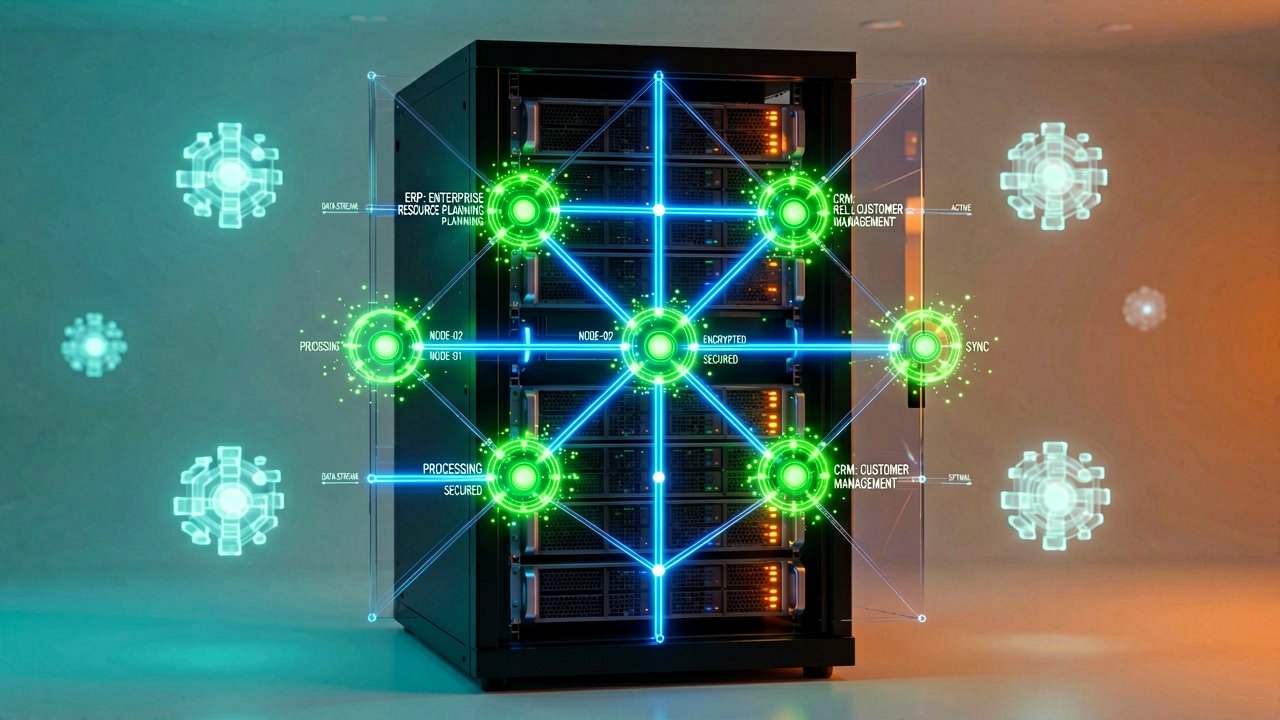
For years, Global Capability Centers (GCCs) have been the quiet workhorses of the corporate world, tucked away in talent-rich hubs like India and Mexico to handle back-office functions. But the "back-office" era is officially over. On May 18, 2026, Aeries Technology (NASDAQ: AERT) pulled the curtain back on A1 GCC, a proprietary platform designed to shift these centers from simple cost-saving units into high-octane innovation engines. It isn't just another management tool; it’s an agentic AI-driven operating system that sits on top of existing enterprise stacks like ERPs and CRMs to provide a unified, data-driven view of complex global operations.
The platform’s arrival feels like a direct response to the "operational overload" many leaders face when trying to scale captive centers. Aeries isn't looking to replace your current HRMS or project management software. Instead, A1 GCC acts as a "connective tissue," consolidating everything from initial setup and planning to workforce visibility and governance into a single environment. According to the report, the system leverages function-specific AI agents that handle the heavy lifting of coordination, operational follow-through, and even decision support, giving management teams the clarity they’ve historically lacked.
The Architecture of Control
What makes A1 GCC standout is its "Agentic" approach. While traditional automation follows a rigid "if-this-then-that" logic, this platform uses AI agents to actively monitor milestones and manage escalations across the GCC ecosystem. It offers specialized modules for recruitment dashboards—tracking hiring metrics in real-time—and governance views that allow stakeholders to see exactly how their offshore teams are performing against global benchmarks. As Unni Nambiar, CTO at Aeries Technology, noted in a Yahoo Finance release, the platform was shaped by the "operational realities" of running these centers at scale, moving away from fragmented, manual tracking toward a more connected model.
Beyond Efficiency: A Deep Dive into the GCC Transformation
Behind the Scenes: The launch of A1 GCC represents a pivot point in a decade-long evolution where GCCs have transitioned from "labor arbitrage" plays into "strategic value" drivers. Historically, the biggest friction point for Western headquarters was the lack of transparency; you had talent abroad, but you didn't always have a clear pulse on their day-to-day productivity or long-term growth potential. Industry veterans know that the old way of managing these centers—weekly spreadsheets and endless sync calls—simply doesn't cut it when the GCC is responsible for 20-30% of a company's total headcount and nearly 60% of its digital transformation work.
Seasoned reporters will tell you that the real story here is about "zero distance" between the HQ and the capability center. Platforms like A1 GCC aim to eliminate the technical debt and fragmented data silos that usually prevent AI from being deployed effectively. By sitting above the legacy infrastructure, it allows firms to implement AI-native operations without having to rip and replace their entire core systems. This is particularly critical as Boston Consulting Group research highlights that "AI Leaders" in the GCC space are capturing significantly more economic impact than laggards by treating AI as a co-pilot for leadership rather than just a cost-cutting tool.
From a stakeholder perspective, the shift toward agentic AI solves a massive "agency" problem. When an AI agent can autonomously summarize workflows, track milestone readiness, and flag risks before they become disasters, the management burden on the parent company decreases. We're seeing a shift where the GCC isn't just executing a strategy handed down from the top; it’s using real-time data to shape that strategy. This "AI-first" philosophy, as championed by firms like Infosys and now Aeries, creates a virtuous cycle where better data leads to better talent retention and, ultimately, more innovative output.
The historical context matters here. Aeries has been in this game since 2012, long before "GCC" was a common buzzword in boardrooms. Their move to productize their internal operational knowledge into A1 GCC is a bet on the "greenfield" advantage. Newer centers aren't bogged down by decades of technical debt like their parent companies in the West; they can design AI-native processes from the ground up. This platform provides the blueprint for that design, ensuring that as a center scales from 50 to 5,000 employees, the governance and culture don't fall through the cracks of a growing organization.
Ultimately, the tech world is watching A1 GCC because it addresses the "human barrier" in AI adoption. By embedding AI into the existing workflows of HR, finance, and operations, it makes the technology invisible yet indispensable. It moves the conversation away from "will AI take our jobs" to "how can AI help us manage 10,000 people across four continents without losing our minds." As competition for global talent intensifies, the firms that can offer the most streamlined, tech-enabled employee experience will be the ones that win the next decade of business transformation.
For years, Global Capability Centers (GCCs) have been the quiet workhorses of the corporate world, tucked away in talent-rich hubs like India and Mexico to handle back-office functions. But the "back-office" era is officially over. On May 18, 2026, Aeries Technology (NASDAQ: AERT) pulled the curtain back on A1 GCC, a proprietary platform designed to shift these centers from simple cost-saving units into high-octane innovation engines. It isn't just another management tool; it’s an agentic AI-driven operating system that sits on top of existing enterprise stacks like ERPs and CRMs to provide a unified, data-driven view of complex global operations.
The platform’s arrival feels like a direct response to the "operational overload" many leaders face when trying to scale captive centers. Aeries isn't looking to replace your current HRMS or project management software. Instead, A1 GCC acts as a "connective tissue," consolidating everything from initial setup and planning to workforce visibility and governance into a single environment. According to the StreetInsider report, the system leverages function-specific AI agents that handle the heavy lifting of coordination, operational follow-through, and even decision support, giving management teams the clarity they’ve historically lacked.
The Architecture of Control
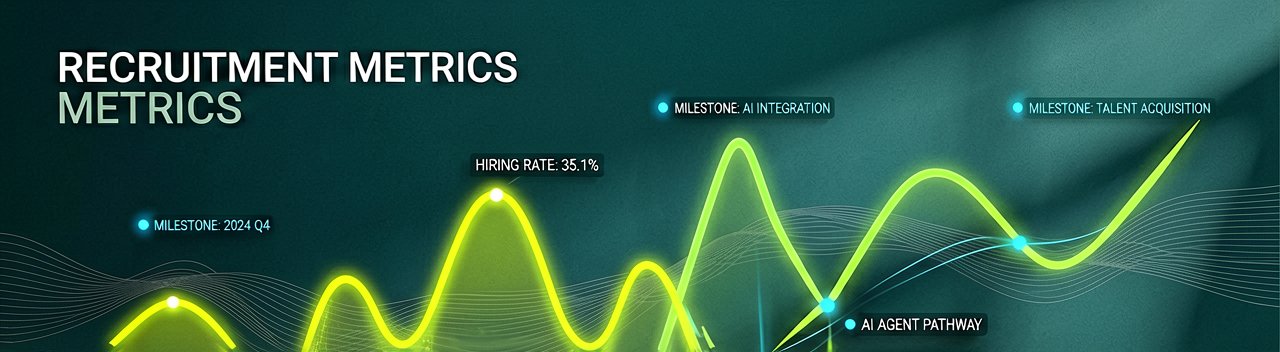
What makes A1 GCC standout is its "Agentic" approach. While traditional automation follows a rigid "if-this-then-that" logic, this platform uses AI agents to actively monitor milestones and manage escalations across the GCC ecosystem. It offers specialized modules for recruitment dashboards—tracking hiring metrics in real-time—and governance views that allow stakeholders to see exactly how their offshore teams are performing against global benchmarks. As Unni Nambiar, CTO at Aeries Technology, noted in a Yahoo Finance release, the platform was shaped by the "operational realities" of running these centers at scale, moving away from fragmented, manual tracking toward a more connected model.
Beyond Efficiency: A Deep Dive into the GCC Transformation
Behind the Scenes: The launch of A1 GCC represents a pivot point in a decade-long evolution where GCCs have transitioned from "labor arbitrage" plays into "strategic value" drivers. Historically, the biggest friction point for Western headquarters was the lack of transparency; you had talent abroad, but you didn't always have a clear pulse on their day-to-day productivity or long-term growth potential. Industry veterans know that the old way of managing these centers—weekly spreadsheets and endless sync calls—simply doesn't cut it when the GCC is responsible for 20-30% of a company's total headcount and nearly 60% of its digital transformation work.
Seasoned reporters will tell you that the real story here is about "zero distance" between the HQ and the capability center. Platforms like A1 GCC aim to eliminate the technical debt and fragmented data silos that usually prevent AI from being deployed effectively. By sitting above the legacy infrastructure, it allows firms to implement AI-native operations without having to rip and replace their entire core systems. This is particularly critical as Boston Consulting Group research highlights that "AI Leaders" in the GCC space are capturing significantly more economic impact than laggards by treating AI as a co-pilot for leadership rather than just a cost-cutting tool.
From a stakeholder perspective, the shift toward agentic AI solves a massive "agency" problem. When an AI agent can autonomously summarize workflows, track milestone readiness, and flag risks before they become disasters, the management burden on the parent company decreases. We're seeing a shift where the GCC isn't just executing a strategy handed down from the top; it’s using real-time data to shape that strategy. This "AI-first" philosophy, as championed by firms like Infosys and now Aeries, creates a virtuous cycle where better data leads to better talent retention and, ultimately, more innovative output.
The Realities of Algorithmic Management
Reading Between the Lines: While the marketing gloss around A1 GCC suggests a frictionless utopia of "agentic" harmony, the cynical reality of enterprise software often bites back. There is a fundamental contradiction in using AI to "empower" global talent while simultaneously increasing the granularity of surveillance under the guise of "transparency." By centralizing every metric—from recruitment speed to granular productivity KPIs—firms risk creating a digital panopticon that could inadvertently stifle the very innovation they claim to seek. If every move is tracked by an agentic auditor, the messy, non-linear experimentation required for high-level R&D might just get optimized out of existence.
Furthermore, the promise of "seamless integration" over legacy stacks is a claim we have heard for three decades, yet it rarely survives contact with reality. Aeries is positioning A1 GCC as a unifying layer, but the effectiveness of any AI is tethered to the quality of the underlying data. If the disparate ERPs and HR systems are filled with the usual corporate "data swamp" debris, the AI agents will simply be automating confusion at a higher velocity. There’s a legitimate concern that these platforms could become another expensive layer of "shadow IT" if they don't gain absolute buy-in from the middle managers who are currently incentivized to protect their specific silos of information.
Projecting forward, the widespread adoption of platforms like A1 GCC might actually lead to a "homogenization" of the GCC sector. If every major player is using the same agentic blueprints to run their operations, the competitive advantage of having a global center will vanish, leaving companies in a race toward identical operational efficiency. The true winners won't be the ones who simply install the platform, but the ones who figure out how to keep the "human" in the loop long enough to prevent the algorithm from turning their global workforce into a collection of highly efficient, but fundamentally uninspired, sub-processes.
"We’ve spent forty years trying to get the humans in different time zones to talk to each other, only to decide that the best solution is to let the software handle the conversation while we watch the dashboard and hope the ‘innovation’ light turns green."
Artūras Malašauskas is an AI Systems Integrator with 20+ years of production-grade web engineering experience. He has designed, shipped, and scaled enterprise Python/PHP systems for logistics, SaaS, and public-sector clients. For the past year, he has focused exclusively on AI integrations: deploying open-source LLMs, building generative media pipelines (image, audio, video), and engineering multi-agent workflows for real production environments. His standard: reproducibility, security, cost-efficient inference—no vaporware. He documents and evaluates emerging AI tooling, separating verified capabilities from marketing noise. Technical editor at: muza-ai.eu, ai-verslas.lt, ai-naujinos.lt Connect on LinkedIn
Comments