The Flying Lawnmower Gambit: Ukraine’s High-Tech Swarm Challenges Moscow’s Iron Umbrella
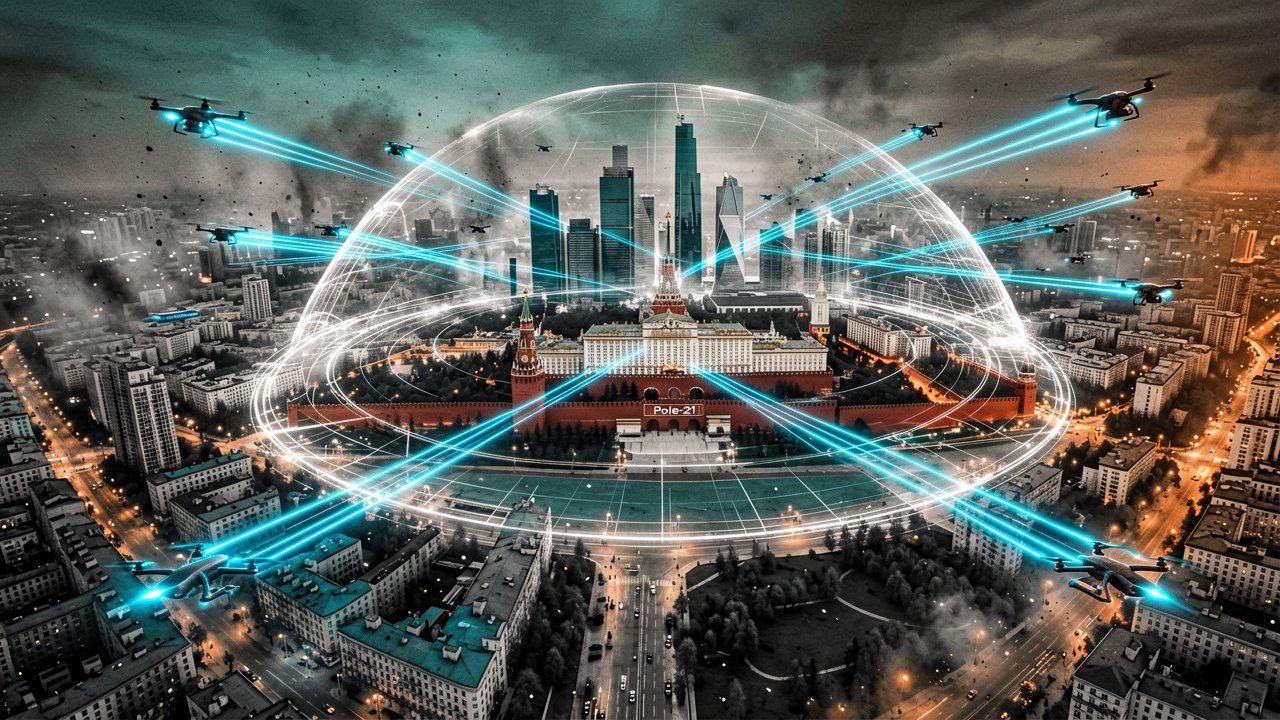
If there’s one thing we’ve learned from the grinding theater of modern warfare, it’s that the sky isn’t just for birds and Boeings anymore; it’s a high-stakes chessboard. This week, Ukraine flipped the board, launching what’s being hailed as its largest drone offensive against Moscow in over a year. It wasn't just a handful of pesky scouts either—we’re talking about a coordinated swarm that managed to rattle the very windows of the Kremlin’s backyard, proving once again that distance is a shrinking luxury in this conflict.
According to reports from Reuters, Russian air defenses were forced into overdrive as they scrambled to intercept at least 34 drones specifically targeting the capital. The sheer scale of the operation triggered a chaotic domino effect across the city’s transit hubs. For a few tense hours, the hum of international travel was replaced by the silence of grounded fleets as major airports like Domodedovo and Zhukovsky diverted dozens of flights, effectively putting a temporary chokehold on Moscow’s connection to the outside world.
Breaking Through the "Iron Umbrella"
For months, the Russian Ministry of Defense has boasted about its "electronic umbrellas"—a layered web of jammers and S-400 batteries designed to make Moscow an impenetrable fortress. But as Militarnyi points out, even the densest rings can be saturated. The latest strike exploited gaps in these defenses, with debris raining down on residential districts like Ramenskoye. It’s a sobering reminder that while the tech is sophisticated, the sheer volume of "airplane-type" drones can eventually find the seams in even the most expensive armor.
The human cost of this high-tech chess match remains a grim reality. Local officials confirmed that several people were injured during the barrage, and residential fires broke out in the suburbs as intercepted drones tumbled into apartment blocks. It’s a messy, terrifying evolution of "precision" warfare where the "success" of an interception often just determines which civilian roof the wreckage lands on. The Guardian noted that this particular wave was the largest since the full-scale invasion began, signaling a shift in Kyiv's willingness to bring the friction of the front line directly to Russia’s elite doorstep.
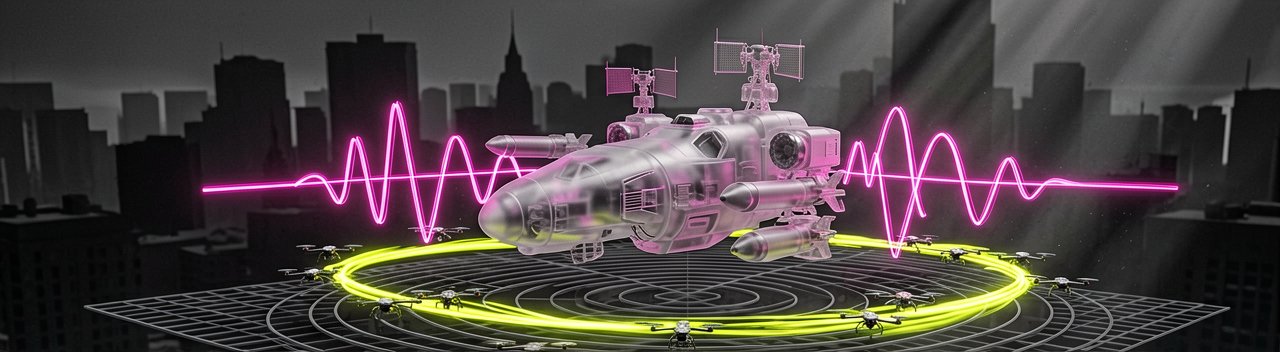
From a tech perspective, what we’re seeing is the coming-of-age of the long-range "suicide" drone. These aren't just modified hobbyist kits; they are purpose-built, domestically produced assets capable of navigating hundreds of kilometers of hostile airspace. By targeting logistical nerves like the Capotia oil refinery, Ukraine isn't just looking for a PR win—they're aiming at the fuel lines that keep the Russian war machine idling. As the smoke clears over Moscow, one thing is certain: the era of the "safe" capital is officially over.
Behind the Digital Fog: While the headlines focus on the spectacular visuals of drones over the Kremlin’s spires, the real story lies in the quiet, desperate arms race occurring in the radio frequency spectrum. This wasn’t just a test of airframes and explosives; it was a grueling stress test of Russia’s "Pole-21" and "Borisoglebsk-2" electronic warfare systems. For a seasoned observer, the fact that dozens of drones made it to the Moscow outskirts suggests that Ukraine has likely integrated "frequency hopping" or autonomous terminal guidance that doesn't rely on GPS—a massive leap from the tethered, vulnerable tech we saw at the start of the invasion.
There’s also a significant psychological dimension that most dry reports tend to gloss over. For the average Moscovite, the war has long been something that happens "out there," filtered through the sanitized lens of state media. However, when the flight boards at Domodedovo flip to "Delayed" or "Cancelled" en masse, the friction of the conflict finally touches the lives of the Russian middle class. This "asymmetric reach" is a deliberate strategic pillar for Kyiv; it’s about puncturing the bubble of normalcy that the Kremlin has worked so hard to maintain while the front lines in the Donbas continue to bleed.
The Economics of the Attrition Game
If you follow the money, the disparity in this drone war is staggering. Ukraine is essentially launching "flying lawnmowers"—relatively cheap composites of wood, plastic, and consumer-grade engines—that cost a fraction of the missiles used to shoot them down. When a million-dollar Pantsir-S1 interceptor is used to neutralize a $20,000 drone, the math favors the attacker in the long run. By forcing Russia to expend its limited stockpile of high-end interceptors deep inside its own territory, Ukraine is effectively thinning out the air defenses available to protect Russian troops on the actual front lines.
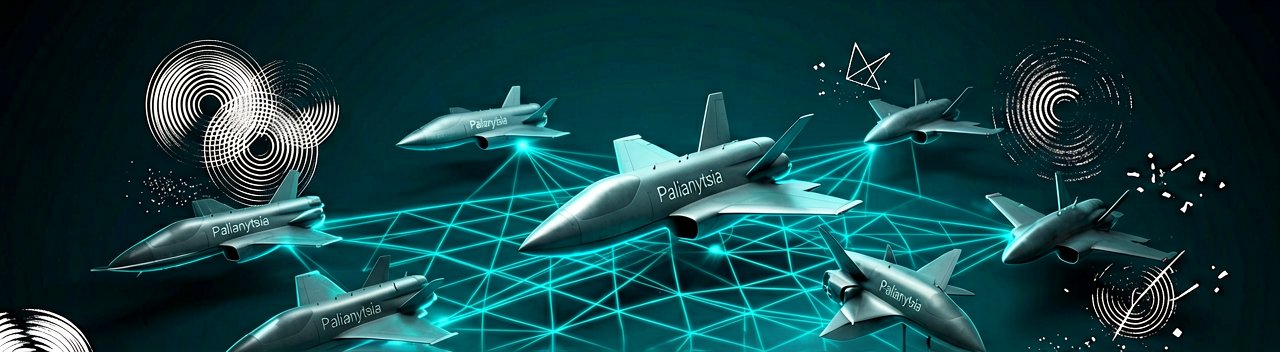
Finally, we have to consider the "Palianytsia" factor—Ukraine’s new breed of drone-missile hybrids. While not explicitly named in every strike, the increasing speed and range of these attacks hint at a maturing domestic defense industry that is no longer strictly dependent on Western "green lights" for long-range capabilities. Kyiv is sending a clear message to both its allies and its enemies: they have the technical sovereignty to strike back, and as this latest Moscow barrage proves, they’re getting much better at finding the path of least resistance through the most defended airspace in the world.
Reading Between the Lines: While it’s tempting to view this massive drone swarm as a definitive "game-changer," a healthy dose of skepticism is required when assessing its actual impact on the war’s trajectory. The strategic paradox here is glaring: despite the chaos at Moscow’s airports and the undeniable PR blow to the Kremlin, the frontline reality in the Donbas remains largely unchanged. A drone that rattles a window in a Moscow suburb doesn't necessarily stop a glide bomb from hitting a trench in Pokrovsk. We are witnessing a war of two parallel realities—one of high-tech atmospheric optics and another of brutal, industrial-age territorial grinding.
The contradiction in Russian reporting also demands a closer look. State media is quick to claim a "100% interception rate" while simultaneously showing footage of smoke rising from industrial zones. This "Schrödinger’s Air Defense" suggests that while Russia’s electronic warfare is formidable, it is far from the seamless curtain they’ve advertised. However, we shouldn't assume Moscow is defenseless; the fact that the majority of these drones were intercepted before hitting high-value government buildings shows that their inner-tier defenses are still very much awake. The real question is how many of these "victories" Russia can afford before the sheer cost of replenishment begins to bite.
The Limits of "Inconvenience Warfare"
There is also the risk of diminishing returns for Kyiv. History is littered with examples where strategic bombing of a capital served to stiffen civilian resolve rather than shatter it. By bringing the war to the Russian doorstep, Ukraine is gambling that the resulting internal pressure will force a de-escalation. But in a tightly controlled information ecosystem, these strikes can just as easily be spun to justify further mobilization. It’s a razor-thin line between proving vulnerability and inadvertently feeding the very narrative of "existential threat" that the Kremlin uses to keep the engines of war running.
Looking ahead, the technical "cat-and-mouse" game will likely shift toward localized AI. As jamming becomes more pervasive, we can expect to see drones that don't need a pilot’s signal at all, using visual recognition to pick their targets in the final seconds. This isn't just sci-fi anymore; it’s a necessary pivot for survival. The Moscow strike wasn't just an attack; it was a live-fire laboratory for the next generation of autonomous warfare, and the data gathered from those intercepted drones will undoubtedly inform the programming of the next wave.
Ultimately, the "largest strike in a year" serves as a potent reminder that in modern conflict, the front line is wherever a $500 flight controller says it is. Whether this translates into a genuine shift in the Kremlin's calculus or simply becomes the "new normal" for a jittery Moscow remains to be seen. In the theater of the drone age, the curtain never really falls; it just resets for the next act.
"In the old days, a general knew he was in trouble when the cavalry appeared on the horizon; today, he knows he’s in trouble because the local airport’s Wi-Fi is down and a delivery drone just tried to land on his radar dish. It turns out that 'controlling the skies' is a lot harder when the sky is full of angry, autonomous lawnmowers."
Artūras Malašauskas is an AI Systems Integrator with 20+ years of production-grade web engineering experience. He has designed, shipped, and scaled enterprise Python/PHP systems for logistics, SaaS, and public-sector clients. For the past year, he has focused exclusively on AI integrations: deploying open-source LLMs, building generative media pipelines (image, audio, video), and engineering multi-agent workflows for real production environments. His standard: reproducibility, security, cost-efficient inference—no vaporware. He documents and evaluates emerging AI tooling, separating verified capabilities from marketing noise. Technical editor at: muza-ai.eu, ai-verslas.lt, ai-naujinos.lt Connect on LinkedIn
Comments