The Silicon Soul: Pope Francis Charts a Moral Path Through the Algorithmic Age

In a move that underscores the Vatican’s increasing urgency to address the digital frontier, Pope Francis has officially established a dedicated artificial intelligence study group. This initiative comes as the Holy See prepares for the highly anticipated release of the Pope's first encyclical specifically touching on the intersection of faith, human dignity, and the rapid evolution of machine learning. The Roman Curia is no longer just watching from the sidelines; it is actively attempting to draft the moral blueprints for a future dominated by algorithms.
The Moral Compass in the Age of Silicon
The formation of this group isn't just a symbolic gesture. According to reports from Vatican News, the Pope has been consistently vocal about the "dual-edged" nature of AI. While the technology offers "limitless possibilities" for medicine and communication, the Vatican remains deeply concerned about the "algor-ethics"—a term coined by the Church to describe the ethical development of algorithms. The goal of this new study group is to ensure that AI remains "human-centered" and does not exacerbate existing social inequalities or replace human discernment in critical moral areas.
The timing is particularly notable. As detailed by Reuters, the Pope’s upcoming encyclical is expected to provide a theological framework for navigating the "technocratic paradigm." This follows his 2024 World Day of Peace message, which was entirely dedicated to AI, warning that the technology could lead to a "circular economy of exclusion" if left unchecked by international law and spiritual oversight.
Collaborating with Big Tech
The Vatican isn't working in a vacuum. Over the past few years, the Holy See has cultivated surprising alliances with the titans of Silicon Valley. As noted by Wired, the "Rome Call for AI Ethics" has already been signed by heavyweights like Microsoft and IBM. This document outlines six core principles: transparency, inclusion, accountability, impartiality, reliability, and security. The new study group is expected to build upon these pillars, translating high-level philosophy into actionable policy recommendations for Catholic institutions and global regulators alike.

Critics and supporters alike are watching closely to see how the Pope balances ancient dogma with cutting-edge tech. According to an analysis by The Guardian, the Vatican is positioning itself as a unique global mediator—one that doesn't represent a specific nation or a profit-driven corporation, but rather a universal "conscience" for the digital age. This gives the Pope a platform to challenge the "black box" nature of proprietary AI systems that currently dictate everything from job hiring to judicial sentencing.
Looking Ahead: An Encyclical for the Digital Soul
The upcoming encyclical is rumored to go beyond mere warnings. Insiders suggest it will call for a binding international treaty to regulate AI development, similar to environmental accords. As reported by BBC News, the Pope’s influence on global policy should not be underestimated; his previous work on climate change, *Laudato si’*, significantly shifted the international conversation leading up to the Paris Agreement. If this new document carries the same weight, it could force tech leaders to rethink the "move fast and break things" mantra in favor of a more contemplative, ethical pace.
Ultimately, the Pope's foray into AI is a recognition that the digital world is no longer a separate realm from the spiritual one. By creating this study group and penning an encyclical, Francis is asserting that the soul of humanity is very much at stake in the code we write today. Whether the tech industry will truly listen to a 2,000-year-old institution remains to be seen, but the Vatican has officially entered the chat, and it has plenty to say about the future of our digital existence.
Bridging the Silicon-Faith Divide: The Vatican’s recent elevation of artificial intelligence to a central pillar of Catholic social teaching is the result of years of meticulous "diplomacy of the digital." By establishing a dedicated study group, the Church is transitioning from a passive observer of technology to an active architect of its ethical deployment, ensuring that the "algor-ethics" first proposed in 2020 are translated into global institutional policy.
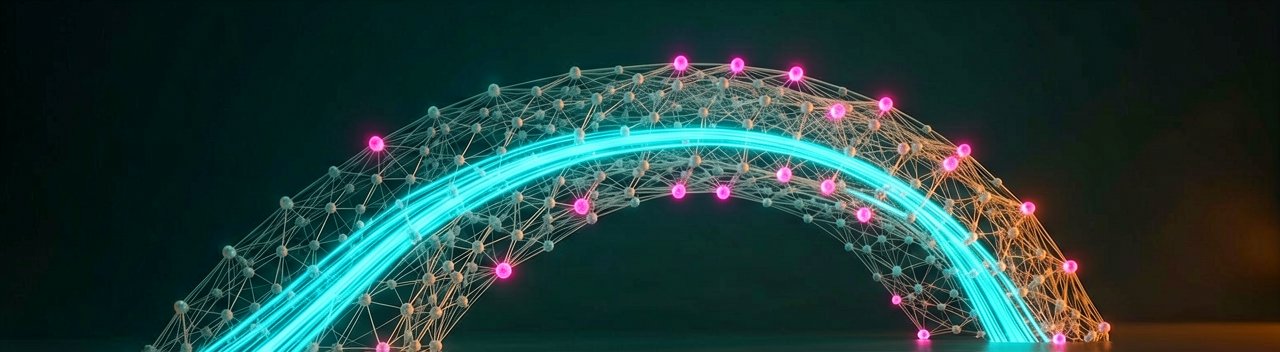
At the heart of this movement is the Rome Call for AI Ethics, a foundational document that has transformed the Vatican into an unlikely hub for Silicon Valley’s power players. While Microsoft and IBM were founding signatories, the coalition has expanded significantly in the last two years. In April 2024, Cisco joined the initiative, followed by Qualcomm in June 2025 and Salesforce in October 2025. These companies have committed to six core principles—transparency, inclusion, accountability, impartiality, reliability, and security—aligning their corporate governance with the Vatican's human-centric vision.
A Name With Strategic Meaning
The upcoming encyclical, tentatively titled Magnifica Humanitas ("Magnificent Humanity"), carries heavy historical weight. Reports from InfoVaticana suggest that Pope Leo XIV intentionally chose May 2026 for the release to coincide with the 135th anniversary of Rerum Novarum. Just as his namesake, Pope Leo XIII, addressed the "new things" of the Industrial Revolution and the plight of the working class in 1891, the current Pontiff seeks to address the "digital revolution" and the risks of machine labor replacing human dignity.
This strategic continuity is not lost on global leaders. According to Vatican News, the Pope’s influence has extended into the highest echelons of secular governance, including a historic address to the G7 summit in 2024. During that session, he specifically called for a global ban on lethal autonomous weapons systems, or "killer robots," arguing that decisions involving the end of a human life must never be delegated to an algorithm. The new study group is expected to refine these arguments into specific legal and theological guidance.
From Theory to Operational Governance
The Vatican is also leading by example within its own borders. As noted by the Vatican State official portal, a newly formed Artificial Intelligence Commission has been tasked with monitoring how technology is used within the Holy See’s own administration. This operational body ensures that no algorithm writes judicial rulings or dictates the rights of employees, providing a concrete model for what "human-in-the-loop" governance looks like in practice.
The involvement of secular academic institutions further bolsters the Vatican's technical credibility. As reported by The Yale Review of International Studies, the Vatican's Pontifical Academy for Life has hosted summits featuring experts from Stanford and Harvard Law to discuss the future of corporate governance. These collaborations underscore a growing consensus: as AI moves closer to general intelligence, the world requires a moral authority capable of asking the "why" behind the "how."
Ultimately, the Vatican's focus remains on the most vulnerable. Through its partnerships and its upcoming encyclical, the Church is sounding an alarm on "digital colonisation" and the risk that AI might exacerbate the divide between the global north and south. By bringing tech giants like Salesforce and Cisco to the table, the Holy See is betting that profit-driven innovation can be successfully wedded to a universal concern for the common good, ensuring that technology remains a gift of human ingenuity rather than a tool of exclusion.
Rewriting the Social Contract for the Silicon Age: The Vatican’s maneuvers in mid-2026 represent more than just a religious institution catching up to modern times; they signal a profound attempt to reclaim moral jurisdiction over the "black box" of algorithmic decision-making. By formalizing a study group just as the encyclical Quo Vadis, Humanitas? (Where Are You Going, Humankind?) hits the world stage, the Holy See is positioning itself as a rare neutral arbiter in a landscape currently polarized between corporate profit and state surveillance. This isn't just about theology; it is about the "algor-ethics" of power.
The strategic brilliance of this initiative lies in its timing. According to reports from The Independent, the newly formed commission under Pope Leo XIV is specifically tasked with examining how generative AI impacts "human dignity," with a sharp focus on the erosion of truth through deepfakes. This follows a high-stakes address to the G7 where the Pope warned against "killer robots" and the delegating of life-and-death decisions to software. The Vatican is effectively betting that its 2,000-year-old perspective on human agency can serve as the ultimate "human-in-the-loop" safeguard for 21st-century governance.
The "Digital Rerum Novarum"
Analysts are increasingly drawing parallels between this new encyclical and the historic 1891 Rerum Novarum, which addressed the fallout of the Industrial Revolution. As explored by the Pontifical Academy of Social Sciences, the Church views the AI revolution as an "epochal change" that risks turning humans into "fodder for algorithms." The study group’s primary goal is to ensure that "digital colonisation"—where a few tech giants dictate the reality of the global south—is checked by international law and ethical design.
The corporate buy-in for this vision has been surprisingly robust. The "Rome Call for AI Ethics" has recently seen massive expansion, with Qualcomm and Salesforce joining early signatories like Microsoft and IBM. These companies are not just signing a guestbook; they are committing to principles of accountability and transparency that often run counter to the "move fast and break things" ethos. For Silicon Valley, the Vatican offers a form of "ethical laundering" that carries more global weight than a standard corporate social responsibility report.
The Battle for the Human Face
Perhaps the most poignant analytical takeaway is the Pope’s focus on the "sanctity of faces and voices." As noted by EWTN News, the Church is raising a red flag over how generative AI distorts reality, arguing that our unique, distinctive features are being commodified by systems built to maximize engagement. This is a direct challenge to the business models of social media and AI training sets, suggesting that a person’s worth is not a data point to be processed but a dignity to be protected.
Ultimately, the Vatican is attempting to do what few secular regulators have managed: provide a unified, global moral framework that transcends national borders. Whether this "techno-theology" will slow the breakneck pace of AI development is unclear, but the Holy See has successfully moved the goalposts. The question for the tech industry is no longer just "can we build it?" but, as the Pope has frequently asked at the Builders AI Forum, "who are we becoming through the technologies we build?"
It appears the Vatican has finally traded in the smoke signals for high-speed fiber optics. While we’re all worried about AI taking our jobs, the Pope is more concerned about it taking our souls—which, to be fair, is a much harder thing to list on a LinkedIn profile. If an infallible Pope and an "unbiased" algorithm can actually agree on a set of rules, perhaps there’s hope for the rest of us yet; just don't expect the Vatican to start accepting confession via ChatGPT anytime soon.
Artūras Malašauskas is an AI Systems Integrator with 20+ years of production-grade web engineering experience. He has designed, shipped, and scaled enterprise Python/PHP systems for logistics, SaaS, and public-sector clients. For the past year, he has focused exclusively on AI integrations: deploying open-source LLMs, building generative media pipelines (image, audio, video), and engineering multi-agent workflows for real production environments. His standard: reproducibility, security, cost-efficient inference—no vaporware. He documents and evaluates emerging AI tooling, separating verified capabilities from marketing noise. Technical editor at: muza-ai.eu, ai-verslas.lt, ai-naujinos.lt Connect on LinkedIn
Comments