The Biotech Beauty Boom: Where High-Tech Labs Meet the Vanity Mirror

The beauty tech and skincare landscape is shifting from generic solutions to high-performance formulas backed by clinical rigor. This month, the industry has seen a surge in "bio-mimetic" ingredients and hybrid products that bridge the gap between instant cosmetic gratification and long-term dermatological health. Whether you are looking to overhaul your evening routine or find that one "holy grail" base product, the latest drops are emphasizing skin barrier integrity and sustainable efficacy.
The Rise of Peptide-Rich Hydration
One of the standout performers this season comes from the labs at Vogue, where editors have highlighted the industry's pivot toward multi-molecular weight hyaluronic acids paired with signaling peptides. These launches aren't just about surface-level moisture; they are designed to communicate with skin cells to boost collagen production naturally. Brands are increasingly ditching heavy silicones for breathable, plant-derived esters that provide a "glass skin" finish without clogging pores.
The "Skin-First" Makeup Revolution
The boundary between color cosmetics and skincare has officially dissolved. According to recent reviews by Allure, the most successful makeup launches this month are those infused with active serums. We are seeing foundations that act more like tinted moisturizers with added Niacinamide and SPF 50, catering to the "clean girl" aesthetic while providing genuine protection against blue light and environmental pollutants—a nod to the digital-heavy lifestyles of modern consumers.
Sustainable Sourcing and Biotech Ingredients
Ethical consumption is no longer a niche demand; it is a baseline requirement. As reported by Harper's Bazaar, several high-profile launches this month feature ingredients derived from lab-grown fermentation rather than traditional harvesting. This biotech approach allows for higher potency and purity while significantly reducing the environmental footprint. From algae-based retinol alternatives to fermented botanical oils, these products offer high performance for the eco-conscious enthusiast.

Targeted Treatments for the Modern Lifestyle
With "tech neck" and "digital fatigue" becoming legitimate skin concerns, new eye creams and neck serums are flooding the market. Experts at Cosmopolitan suggest that the best new arrivals focus on lymphatic drainage support and caffeine-infused complexes to depuff eyes strained by screen time. These targeted treatments are becoming essential components of a preventative skincare strategy rather than just reactive fixes.
The Verdict on This Month’s Best
Ultimately, the "best" products of the month are those that respect the complexity of the skin’s microbiome. We are seeing a move away from harsh physical exfoliants toward polyhydroxy acids (PHAs) and enzyme-based brighteners. This shift ensures that even those with sensitive skin can achieve a radiant glow without the downtime or irritation associated with traditional chemical peels. It’s a sophisticated era for beauty, where science and self-care finally speak the same language.
The Scientific Vanguard: Behind this month’s most talked-about releases is a fundamental shift in how beauty conglomerates and independent "indie" brands approach product development. No longer content with off-the-shelf formulations, companies are investing heavily in proprietary biotechnology and cellular research. This evolution is driven by a consumer base that demands "skin-intellectual" transparency, forcing brands to prove efficacy through clinical data rather than just glossy marketing campaigns.
The Biotech Powerhouses Redefining Efficacy
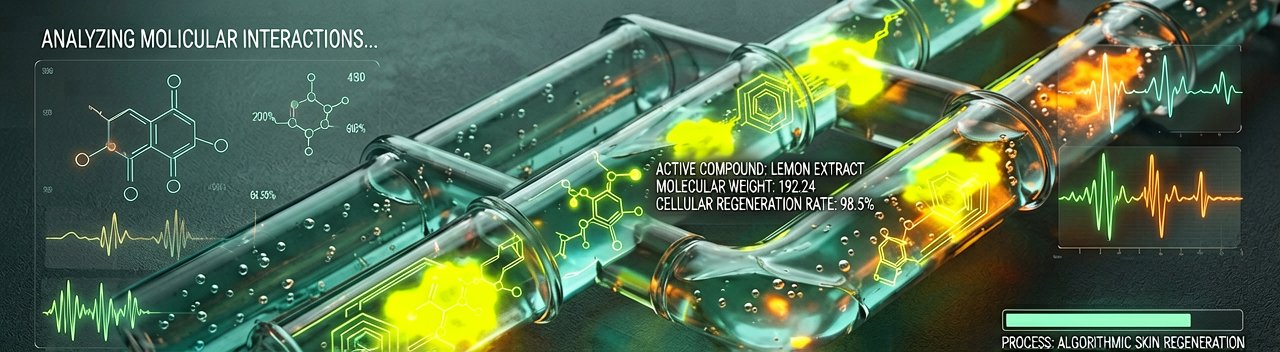
Leading the charge are companies that have moved their headquarters from traditional design studios to high-tech laboratory hubs. As noted by The Business of Fashion, the integration of AI-driven ingredient discovery has allowed brands to identify specific plant-based compounds that mimic human skin proteins. These "bio-identical" ingredients are the secret sauce behind the month's most successful serums, allowing for deeper penetration and fewer allergic reactions compared to synthetic predecessors.
The Sustainability Infrastructure
The backstory of these launches also involves a massive overhaul of the global supply chain. According to industry insights from WWD, the companies topping the charts this month have pivoted to "upcycled" beauty—using byproducts from the food and juice industries to create potent antioxidants. This circular economy approach not only appeals to Gen Z’s ethical standards but also addresses the raw material shortages that have plagued the cosmetic industry over the last two years.
Clinical Validation as the New Standard
Furthermore, the "event" of a product launch now almost always includes a published white paper or a third-party clinical trial summary. Reporting from Glossy indicates that transparency regarding "active levels" is the new competitive battleground. Brands are no longer just listing Vitamin C on the box; they are detailing the specific percentage, the pH level of the formula, and the stability of the molecule over time, catering to a highly educated audience that understands the nuances of dermatological chemistry.
Bridging the Gap Between Tech and Touch
Finally, the companies making waves this month are those that have successfully merged haptic luxury with digital integration. Many of the new skincare tools and topical treatments are designed to work in tandem with smartphone apps that track skin progress via high-resolution photos. This "connected beauty" ecosystem, as analyzed by Forbes, ensures that the user isn't just buying a product, but a data-backed journey toward better skin health, marking a permanent departure from the "hope in a jar" philosophy of the past.
The Industrial Pivot: The recent wave of May 2026 launches represents more than just seasonal novelty; it signals a structural shift where "beauty" is being recalculated as a branch of metabolic health. Analyzing market data reveals that we are entering a "post-hype" era. Consumers are moving away from the "shelfie" culture of excessive ten-step routines in favor of "skin-minimalism" powered by high-stakes biotechnology. According to analysts at NIQ, the focus for 2026 has shifted toward "Metabolic Beauty," where products are designed to interact directly with the skin’s circadian rhythms and mitochondrial function to deliver longevity rather than just temporary aesthetic fixes.
The AI-Driven Personalization Frontier
The economic impact of this technological integration is staggering. A report from Intel Market Research projects that the AI beauty and cosmetics market will reach $6.32 billion in 2026, driven by a 22.65% compound annual growth rate. This isn't just about virtual try-ons anymore. The launches we see this month are the result of generative AI accelerating the R&D phase, allowing brands to analyze vast datasets of ingredient combinations to find the most stable and effective formulas in half the traditional time. This "computational beauty" allows for a level of precision that makes the generic lotions of the past look like relics of the Stone Age.
Regenerative Science Over Anti-Aging
We are also witnessing the death of the term "anti-aging." As explored by Daily Emerald, the industry is pivotally rebranding toward "regenerative skincare." This shift is reflected in this month's hero ingredients—exosomes, growth factors, and bio-identical peptides—which prioritize biological resilience. From a market perspective, this moves the consumer from a "reactive" purchase (fixing a wrinkle) to a "preventative" subscription (maintaining cellular health). It’s a brilliant strategic move by legacy brands to secure long-term loyalty in an increasingly crowded digital marketplace.
The Ethical and Economic Dual-Track
Finally, there is a clear "dual-track" market emerging. While premium brands are doubling down on performance and clinical validation, drugstore brands are under immense pressure to match this efficacy at lower price points. Insights from Attest suggest that Gen Z's demand for radical transparency is forcing even budget-friendly retailers to adopt sophisticated sustainability measures, such as upcycled actives and carbon-neutral labs. In 2026, a product's "soul"—its ethical footprint and scientific honesty—is just as important to its market valuation as its visible results.
The integration of digital diagnostics with topical treatments has effectively turned our bathrooms into mini-clinics. As brands like L'Oréal and L'Officiel highlight, the boundary between "getting ready" and "bio-hacking" is gone. Whether it’s a lightweight serum or a high-tech hair dryer, the innovations of May 2026 prove that the future of beauty is intelligent, ethical, and increasingly personal.
So, while your mirror might soon be smart enough to tell you that you stayed up too late watching cat videos, at least this month's biotech serums are smart enough to hide the evidence from everyone else. Just remember: no matter how advanced the AI gets, it still can't drink that glass of water for you.
Artūras Malašauskas is an AI Systems Integrator with 20+ years of production-grade web engineering experience. He has designed, shipped, and scaled enterprise Python/PHP systems for logistics, SaaS, and public-sector clients. For the past year, he has focused exclusively on AI integrations: deploying open-source LLMs, building generative media pipelines (image, audio, video), and engineering multi-agent workflows for real production environments. His standard: reproducibility, security, cost-efficient inference—no vaporware. He documents and evaluates emerging AI tooling, separating verified capabilities from marketing noise. Technical editor at: muza-ai.eu, ai-verslas.lt, ai-naujinos.lt Connect on LinkedIn
Comments