Notion Launches Developer Platform for AI Agents
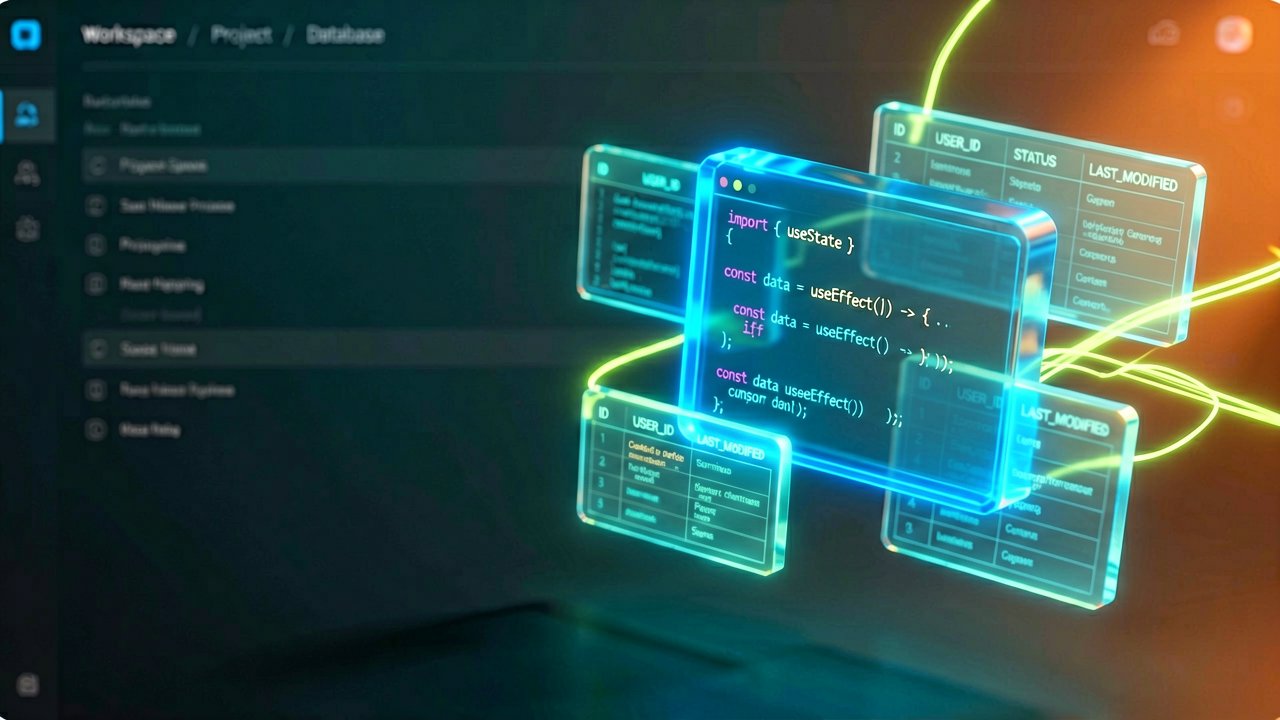
Productivity software maker Notion announced a formal developer platform on May 13, 2026, extending its workspace beyond note-taking into programmable infrastructure for AI agents and custom workflows. The release transforms the platform from a collaborative document tool into an orchestration layer where teams can deploy code, sync external data, and coordinate multiple AI agents within a single environment.
According to the official Notion release page, the company says customers have already built 1 million agents since the February Custom Agents launch. That adoption signal gives the update more weight than a routine feature drop because companies were already using Notion's agent layer before this broader platform push.
At the center of the release sits Notion Workers, a hosted runtime for custom code that runs on Notion's infrastructure. Developers write logic in code and deploy it to a secure sandbox without managing their own servers. Workers power three core capabilities: database sync from external APIs, custom agent tools with deterministic logic, and webhook triggers that let any app initiate Notion workflows.
The database sync feature, currently in beta, pulls data from systems with APIs into Notion databases. Teams can sync tickets from Zendesk, customer data from Salesforce, or internal databases like Postgres. The data stays current and available to both human workflows and agent actions inside the same workspace.

Notion also introduced an External Agents API in alpha, allowing third-party and internally built agents to work inside the workspace. Launch partners include Claude Code, Cursor, Codex, and Decagon, which work out of the box. Teams can assign work to these agents, track progress, and coordinate them alongside Notion's own Custom Agents.
Developers interact with the platform through the Notion CLI, a command-line tool for signing into workspaces, building and deploying Workers, and extending the platform programmatically. The CLI is available on all plans, not just enterprise tiers, which lowers the barrier for experimentation.
Workers are free during the beta period through August 2026. Starting August 11, they will run on Notion credits using the same pricing system as Custom Agents. This testing window lets developers experiment with the hosted-code layer before deciding whether it belongs in day-to-day workflows.
Ivan Zhao, Notion co-founder and CEO, framed the launch as an attempt to keep data, tools, and agents in one place. "Any data, any tool, any agent — that's the big picture for the Notion Developer Platform," Zhao said during the livestreamed announcement. The quote appears in TechCrunch's coverage of the event.
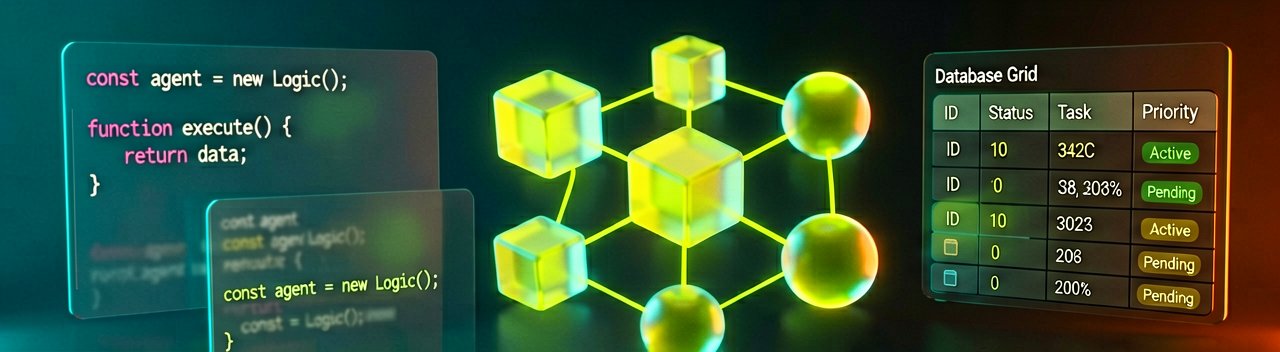
Notion's narrower bet is that teams may prefer one workspace for documents, structured data, code execution, and agent actions instead of a looser chain of separate products. In that framing, the launch becomes more than a branding shift toward programmable workplace infrastructure. It is an adoption test for whether customers want agent workflows to stay inside the same workspace where the rest of their work already lives.
Analysts note the release gives Notion a bigger role in enterprise software stacks, but governance and execution will determine whether it moves beyond experimentation. Tulika Sheel, senior vice president at Kadence International, said Notion Workers sit somewhere between low-code automation and lightweight serverless infrastructure. Unlike Zapier or Airtable, Notion is trying to combine AI agents, custom code execution, and workspace collaboration into a single environment.
Nitish Tyagi, senior principal analyst at Gartner, noted that Notion's feature set is not fundamentally new. Rivals including Atlassian, GitHub, JetBrains, and Tabnine are already pushing deeper into context, governance, and multi-agent orchestration. The success of the platform will depend less on what it offers and more on how well these capabilities perform in practice.
From a developer experience standpoint, the platform adds concrete friction points that matter. The CLI requires terminal access and authentication setup. Workers run in a sandbox with specific permissions. Database sync needs API credentials and configuration. Each step introduces potential failure modes that teams must debug (which is where the free beta period becomes genuinely useful).
Notion also updated its Connections tab in workspace settings, consolidating personal and workspace connections, personal access tokens, and internal API connections into one listing. The Markdown API now supports reading and writing Notion pages as Markdown, built for the way agents already think. Notion MCP support now includes Meeting Notes and block comments, with database operations 91% more token-efficient.
The Developer Portal at app.notion.com/developers is now a dedicated space for creating, managing, and listing connections and tokens. Documentation has been rebuilt and streamlined with a built-in AI assistant to help developers find what they need. These infrastructure pieces matter more than they sound like they should.
Whether enterprises actually adopt this as production infrastructure remains the real question. The free beta period ends in August, and the credit-based pricing model will determine cost at scale. Governance teams will need to evaluate whether keeping agent workflows inside Notion makes sense versus dedicated automation platforms with deeper enterprise integration.
Notion has positioned itself as more than a note-taker with AI features. Whether developers and enterprises treat it as core infrastructure or just another tool in the stack will become clear once the beta pricing model kicks in. Time will tell if the orchestration layer actually sticks or if teams fragment back into separate tools.
Artūras Malašauskas is an AI Systems Integrator with 20+ years of production-grade web engineering experience. He has designed, shipped, and scaled enterprise Python/PHP systems for logistics, SaaS, and public-sector clients. For the past year, he has focused exclusively on AI integrations: deploying open-source LLMs, building generative media pipelines (image, audio, video), and engineering multi-agent workflows for real production environments. His standard: reproducibility, security, cost-efficient inference—no vaporware. He documents and evaluates emerging AI tooling, separating verified capabilities from marketing noise. Technical editor at: muza-ai.eu, ai-verslas.lt, ai-naujinos.lt Connect on LinkedIn
Comments