Fleet Launches Autonomous Endpoint Management Platform
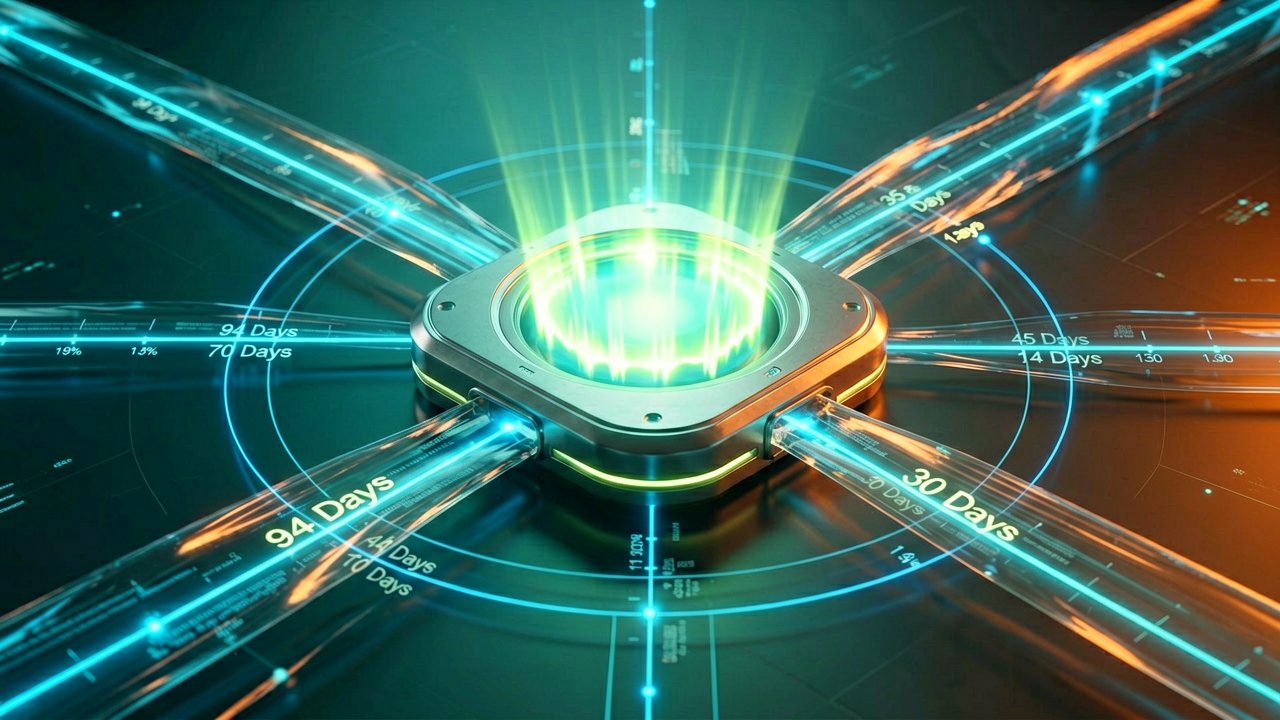
Open device management company Fleet announced an autonomous endpoint management platform on May 14, 2026, designed to counter the accelerating pace of AI-driven cyberattacks. The company claims the platform reduces enterprise patch cycles from the industry average of 55 to 94 days to under two weeks, and in many cases, to hours.
The announcement arrives as security researchers warn that frontier AI models, including Anthropic PBC's Claude Mythos, will dramatically lower the barrier to automated exploit development. Anthropic released Claude Mythos Preview as a gated research preview in April, citing cybersecurity capabilities that "far exceed any prior model." According to Fleet's official press release, vulnerabilities are already being weaponized 100 times faster on average in 2026 than three years ago.
The platform continuously monitors software releases and vulnerability disclosures, then patches affected devices or applies mitigations such as removing outdated versions without manual intervention. Policy reviews run hourly by default and cover Macs, Windows PCs, iPhones, iPads, Android handsets, Chromebooks, and desktop Linux. The service includes a 30-day reporting module that shows which devices were running outdated software and for how long, letting IT teams calculate mean time to patch without bolting on a separate tool.
The policy engine compares installed software, configurations, and system metrics against known vulnerability databases and the latest available releases. Patch rollouts support ring deployments, exclusions, and role-based scoping, which Fleet says is designed to avoid the application crashes and workflow disruptions that have historically slowed enterprise patching (a problem that has plagued users for years, frankly).

Fleet points to research from Gartner Inc. that estimates autonomous endpoint management tools can cut patch cycles that take 55 to 94 days down to six to 13 days, an 87% reduction. Gartner projects that more than half of organizations will adopt the technology by 2029, up from close to zero in 2024. SiliconANGLE corroborates the timeline and scope of the changes.
Customers using Fleet include Fastly Inc., Uber Technologies Inc., Reddit Inc., Stripe Inc., and AI coding startup Cursor. Dan Jackson, senior manager of systems engineering at Fastly, said that the platform delivered "real-time confidence in the health and compliance of our global infrastructure every single day" and removed the operational overhead of legacy tools. A principal endpoint engineer at an unnamed consumer electronics company migrating from a legacy system said configuring patch policies typically takes about five minutes per application.
Mike McNeil, co-founder and chief executive of Fleet, said the platform prioritizes auditability and human review even as patching becomes automated. "Now that auto-patching is becoming inevitable for every organization, auditability, undo-ability and special exceptions are even more important, especially for large enterprises where you're managing tens of thousands of devices," he said. "You need humans in the loop to prevent costly mistakes and outages."
Fleet is a venture capital-backed startup that has raised $52.9 million in funding, including a round of $27 million in June. Investors in the company include CRV, Ten Eleven Ventures, Open Core Ventures, Moonfire Ventures LLP, GitLab Inc. co-founder Sid Sijbrandij, and Vercel Inc. CEO Guillermo Rauch.
The physical reality of this technology means IT administrators no longer spend hours clicking through patch management dashboards or waiting for ticket approvals. Instead, the system runs hourly checks in the background, comparing device states against vulnerability databases and applying fixes automatically. The 30-day reporting module surfaces which devices were exposed to risk and for how long, giving teams concrete metrics rather than vague assurances.
Whether organizations actually trust enough to hand over patching control to an automated system remains the real question. The technology works on paper, but the first major outage caused by an auto-patch will determine whether enterprises embrace this approach or retreat to manual controls.
Artūras Malašauskas is an AI Systems Integrator with 20+ years of production-grade web engineering experience. He has designed, shipped, and scaled enterprise Python/PHP systems for logistics, SaaS, and public-sector clients. For the past year, he has focused exclusively on AI integrations: deploying open-source LLMs, building generative media pipelines (image, audio, video), and engineering multi-agent workflows for real production environments. His standard: reproducibility, security, cost-efficient inference—no vaporware. He documents and evaluates emerging AI tooling, separating verified capabilities from marketing noise. Technical editor at: muza-ai.eu, ai-verslas.lt, ai-naujinos.lt Connect on LinkedIn
Comments