Google Unveils Googlebooks AI Laptops to Replace Chromebook
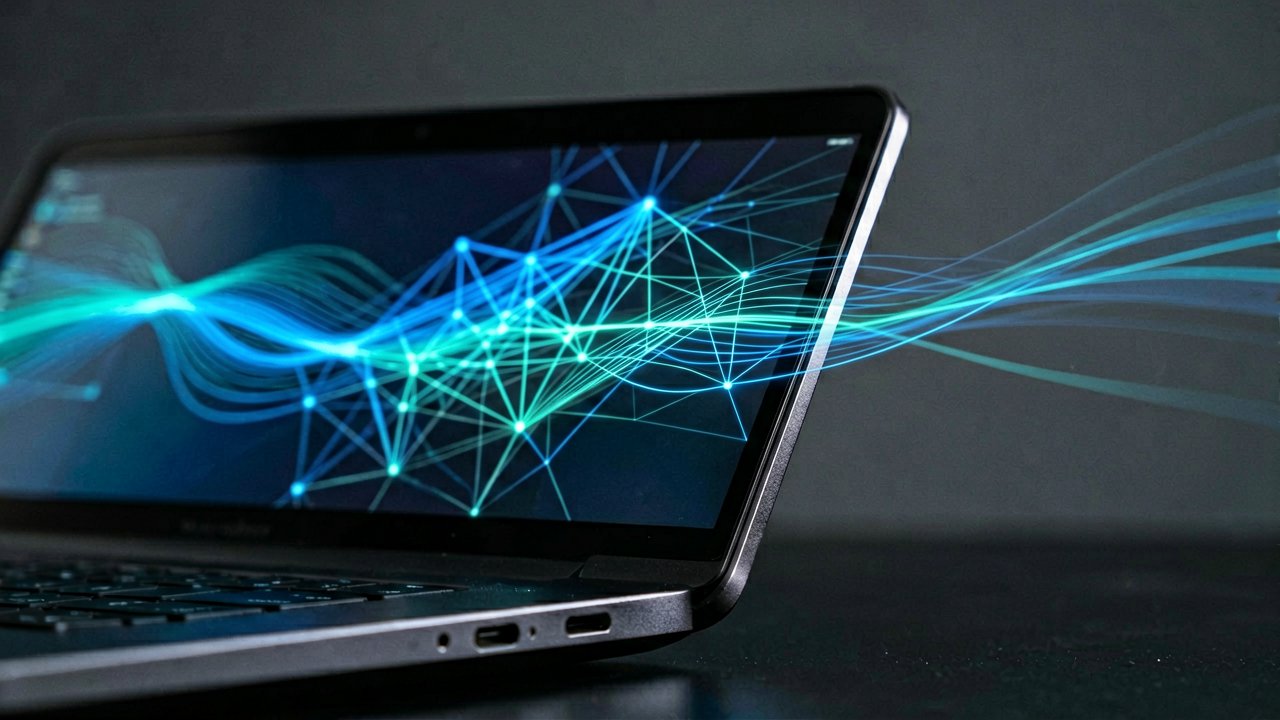
Google announced Googlebooks on Tuesday, May 12, 2026, marking a significant shift in the company's laptop strategy after 15 years of Chromebook dominance. The new devices represent Google's first attempt to build laptops from the ground up around Gemini, its flagship AI model family, rather than retrofitting intelligence onto existing hardware.
The announcement came during the Android Show: I/O Edition, where Alexander Kuscher, Google's Senior Director of Android Tablets and Laptops, outlined the vision for what the company calls an "intelligence system" rather than a traditional operating system. This distinction matters because it signals a fundamental rethinking of how users interact with computing devices.
According to Google's official blog post, the company is working with Acer, Asus, Dell, HP, and Lenovo to produce the first wave of Googlebooks in various shapes and sizes. The devices will launch this fall, though specific pricing and detailed specifications remain undisclosed at this stage.
The headline feature is Magic Pointer, an AI-powered cursor that activates when users wiggle their mouse or trackpad. Rather than simply pointing and clicking, the cursor surfaces contextual suggestions based on what's visible on screen. Point at a date in an email and it suggests setting up a meeting. Select two images—your living room and a new couch—and it visualizes them together. The physical interaction is deliberate: users must wiggle the cursor to trigger the AI, creating a tactile threshold between passive browsing and active assistance.

"We thought, we can take Gemini Intelligence and make the pointer truly smart and intelligent," Kuscher told reporters during a briefing. "As you wiggle and you move over the screen, it will tell you what it can interact with, and contextually offer you the actions that you can do. It really exemplifies how we think about AI features throughout Googlebooks. It's built-in, but not in your face."
This restraint is notable given the industry's tendency toward constant AI interruptions. The wiggle requirement creates a friction point that prevents the cursor from becoming an annoying notification center (which is exactly what happens when you enable too many desktop widgets).
Googlebooks will also feature Create your Widget, allowing users to build custom widgets through natural language prompts. Gemini can pull information from the web and connect with Gmail and Calendar to create personalized dashboards. Planning a family reunion in Berlin? The system can gather flight and hotel details, surface restaurant reservations, and add a countdown to a single desktop location.
The operating system represents the most significant change. Googlebooks will run on a new Android-based platform rather than ChromeOS, the browser-centric system that powered Chromebooks since 2011. This transition allows deeper integration with Android phones, enabling users to run phone apps directly on their laptop without downloading them separately. Need to complete your daily Duolingo lesson without reaching for your phone? The app appears on your laptop screen instantly.
File access works similarly through a feature called Quick Access. Users can view, search, and insert phone files directly through the Googlebook's file browser without transfers. The physical reality here is important: no more waiting for cloud sync or fumbling with USB cables when you need that photo from your phone.
The bigger story is what Googlebooks replaces. The Chromebook became a fixture in schools and workplaces worldwide over the past 15 years, offering affordable, browser-based computing. A Google spokesperson told TechCrunch that the company plans to continue supporting current Chromebook users through existing update commitments. Many Chromebooks will be eligible to transition to the new experience, though specifics remain vague.
This is a platform play as much as a hardware one. Google is beginning a long transition away from ChromeOS toward an Android-based operating system with AI built into the foundation. The move directly challenges Microsoft, which has been pushing its own AI-native Copilot+ PCs since 2024.
Hardware details are limited but include a distinctive "glowbar" lightstrip on device lids that serves both functional and aesthetic purposes. Google describes the design philosophy as "Featherweight Design with Heavyweight Power," suggesting mid- to upper-range ultraportables rather than budget devices. Given that high-end Chromebooks now range between $750 and $1,000, Googlebooks will almost certainly command premium pricing.
The official Google blog post emphasizes that every Googlebook will feature premium craftsmanship and materials. The glowbar serves as a visual identifier—open the lid and you'll know it's a Googlebook before you even see the screen.
Independent reporting from Mashable notes that Googlebooks sound like the lovechild of a Chromebook and Microsoft's Copilot+ PC. The emphasis on Gemini-powered features distinguishes them from Chromebooks that have been gaining integrated AI tools in recent years.
Whether consumers actually want these devices remains the real question. AI features have become a standard marketing pitch across the industry, but the practical value depends on execution. Magic Pointer's wiggle requirement shows some awareness of user fatigue, but the feature's usefulness will only become apparent after extended daily use.
The Android integration makes sense for users already invested in Google's ecosystem. Running phone apps on a laptop without downloads eliminates the friction of switching between devices. For power users who live across multiple screens, this could be genuinely useful. For everyone else, it's another feature hoping to find a use case.
Google's transition from ChromeOS to an Android-based platform represents a 15-year pivot. The Chromebook succeeded by being simple and affordable. Googlebooks aim to be intelligent and premium. Whether that shift aligns with what users actually need from laptops—or what they're willing to pay for—will determine if this succeeds where other AI laptop initiatives have stumbled.
The fall launch window gives Google time to refine the experience before hitting shelves. Hardware partners have already committed, suggesting confidence in the platform. But the real test comes when users open their laptops, wiggle their cursors, and decide if the AI assistance feels helpful or like another notification demanding attention.
Time will tell if Googlebooks become the next Chromebook or just another AI feature that users disable within a week. The hardware will arrive this fall. The software experience will determine whether anyone actually keeps it on.
Artūras Malašauskas is an AI Systems Integrator with 20+ years of production-grade web engineering experience. He has designed, shipped, and scaled enterprise Python/PHP systems for logistics, SaaS, and public-sector clients. For the past year, he has focused exclusively on AI integrations: deploying open-source LLMs, building generative media pipelines (image, audio, video), and engineering multi-agent workflows for real production environments. His standard: reproducibility, security, cost-efficient inference—no vaporware. He documents and evaluates emerging AI tooling, separating verified capabilities from marketing noise. Technical editor at: muza-ai.eu, ai-verslas.lt, ai-naujinos.lt Connect on LinkedIn
Comments