Boise State University Positions Digital Innovation as Essential in AI Era
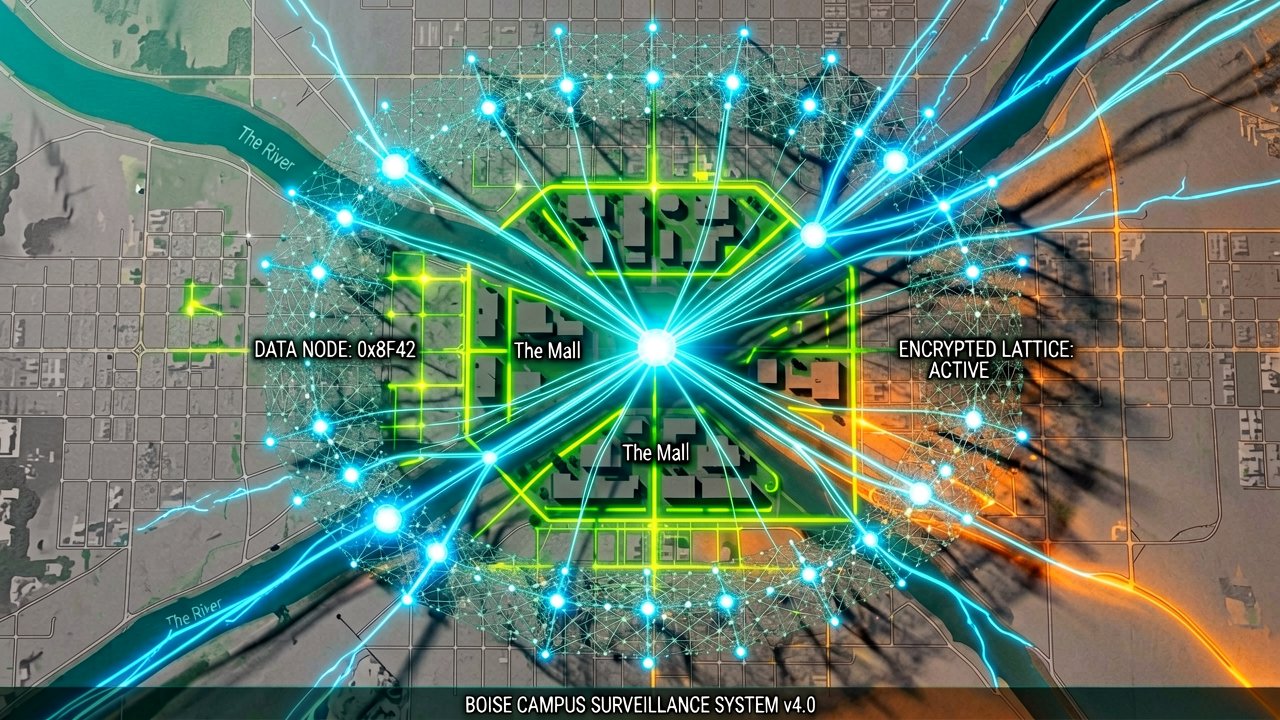
In the current technological landscape, Boise State University has positioned digital innovation not as a buzzword but as the structural prerequisite for artificial intelligence to function at all. The university's official documentation states plainly: "AI doesn't exist without digital innovation."
This framing matters because it shifts the conversation from AI as a standalone disruptor to AI as a downstream effect of broader organizational modernization. Digital innovation, per the university's definition, uses technology to streamline processes, enhance daily operations, develop new products and services, or reevaluate existing technologies in the workplace. It's collaborative work that relies on agile thinking to reimagine what tools can actually do.
The distinction is practical. Simplified digital shopping experiences, customer service chatbots, and subscription-based services are all examples of digital innovation in practice. Over time, these innovations accumulate into digital transformation — the integration of technologies across an entire organization. (This is where most companies get stuck, honestly.)
According to Boise State's official analysis, AI's role is to enhance human capabilities rather than replace them. The technology automates repetitive tasks and improves workflows to allow for more strategic and effective creative work. Industries like healthcare, finance, and education are adapting to this shift, requiring workers to upskill and remain competitive in an increasingly digital environment.
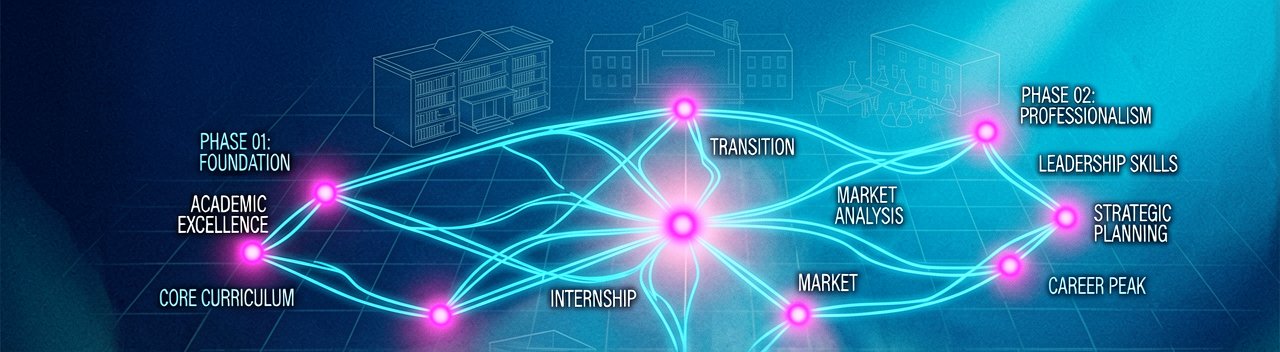
Automation may help improve productivity by reducing repetitive tasks like data entry or interpreting spreadsheets that can slow down a workday. This gives digital innovators more opportunities to focus on creative strategy and implementation without burnout. But AI is a powerful tool — it is not infallible. Human oversight remains critical to ensure accuracy, context, and ethical decision-making.
In short, AI can help you innovate by accessing a large database of information, but it can't create new ideas or concepts. The physical reality of this limitation becomes apparent when you try to use generative AI for something genuinely novel — the output often feels like rearranged furniture from a room you've already visited.
Boise State's Bachelor of Arts and Bachelor of Applied Science in Digital Innovation and Design provides a customized approach through industry-relevant certificates and focus areas. Students build their degree plan with subjects that fit their interests or intended field. This flexibility really spoke to digital innovation and design student Kaitlin Johnson when she was deciding on a bachelor's program.
"When I saw that the digital innovation and design program is built around certificates, I thought that would be perfect for me. It allows me to pursue a lot of different interests while still getting a four-year degree. I chose AI, cybersecurity and UX design. I have enjoyed that. These are all classes I am genuinely interested in, not just degree requirements. That's really cool," she said.
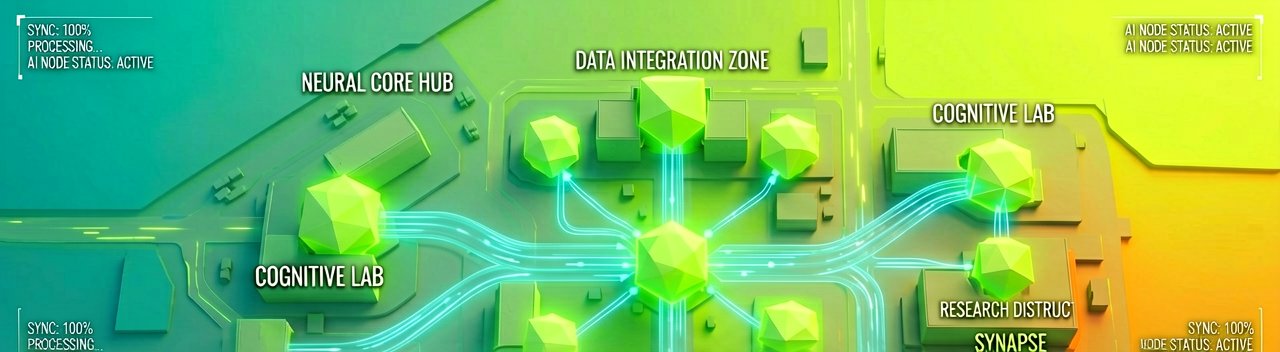
With six start dates per year, students can attend fully online, on campus, or a hybrid of both options. They also get opportunities to engage with experienced faculty and peers by researching and building projects that mirror real-world applications. Sofia Sanchez-Chapman, a program graduate, noted: "I always feel like the projects do really well at emulating how it's actually going to be in the industry. I feel really prepared."
On the infrastructure side, Boise State launched boisestate.ai, a secure and university-supported generative AI platform designed to enhance teaching, learning, and work. Built on Amazon Web Services and governed by Boise State's data and policy standards, the platform provides access to powerful AI tools for all students, faculty, and staff.
According to the university's news release, boisestate.ai features a range of leading AI models, including Claude from Anthropic for advanced reasoning and analysis, LLaMA from Meta for creative and coding support, and Nova from AWS for a secure, powerful platform designed to support the entire university.
The platform was designed with education in mind. Students can use it for research, writing, studying, and career planning. Faculty can leverage it for course design, assessments, feedback, and research support. Staff will find value in using the tools for documentation, communication, and process automation.
Key features include custom "Assistants" for tailored tasks and academic needs, secure sharing of AI conversations between users, integration with Semantic Scholar for academic research, structured playbooks for guided AI use, and FERPA and university data policy compliance.
From pilot to platform, boisestate.ai was shaped by open-source roots and real-world feedback. The Office of Information Technology started with an open-source project developed by Vanderbilt University, and used that foundation as a launchpad to adapt and improve the platform for the specific needs of the Boise State community.
Over the course of the pilot phase, nearly 200 students, faculty, and staff actively explored boisestate.ai, sending more than 10,000 queries and messages as they tested features and capacities. The pilot group's feedback was critical in helping shape the direction of the platform.
Key improvements included a simplified interface with clean design, larger fonts, and Boise State-branded light/dark modes that provide a more welcoming experience. Streamlined model selection lets users choose a preferred AI model, but the option is subtle, which keeps things approachable for new users. Smarter conversation storage allows users to "Star" favorite chats to pin them to the top of their history for quick access.
Access and long-term sustainability are also factors. Unlike commercial AI subscriptions, boisestate.ai ensures that all members of the campus community have access to the same tools, with no additional cost to the individual or department. Estimates suggest that subscribing to commercial AI tools for the entire university could cost more than $7 million per year. By creating its own platform, Boise State retains flexibility and avoids vendor lock-in while controlling costs and data privacy.
To help users begin their AI journey, the platform offers student and faculty playbooks. These are easy-to-follow guides that cover common use cases like writing, studying, course design, teaching practices, and more. The resources are available directly within boisestate.ai and are designed to support the campus community at every experience level.
The question remains whether this infrastructure investment translates to actual workforce readiness. Digital innovation drives growth and competitiveness in a world that's rapidly transitioning toward AI and automation. It also helps brands and organizations become more adaptable to change while maintaining their reputations and a customer-first mindset.
An education in digital innovation helps you build the foundational knowledge to enter the workforce and bring a more strategic and thoughtful approach to the modern digital workplace. You'll do this by building systems resilience, creating value, and helping organizations thrive. Whether employers actually value this preparation over raw technical skills remains the real question.
Artūras Malašauskas is an AI Systems Integrator with 20+ years of production-grade web engineering experience. He has designed, shipped, and scaled enterprise Python/PHP systems for logistics, SaaS, and public-sector clients. For the past year, he has focused exclusively on AI integrations: deploying open-source LLMs, building generative media pipelines (image, audio, video), and engineering multi-agent workflows for real production environments. His standard: reproducibility, security, cost-efficient inference—no vaporware. He documents and evaluates emerging AI tooling, separating verified capabilities from marketing noise. Technical editor at: muza-ai.eu, ai-verslas.lt, ai-naujinos.lt Connect on LinkedIn
Comments