Command Zero Opens Autonomous SOC Platform with APIs and MCP Server
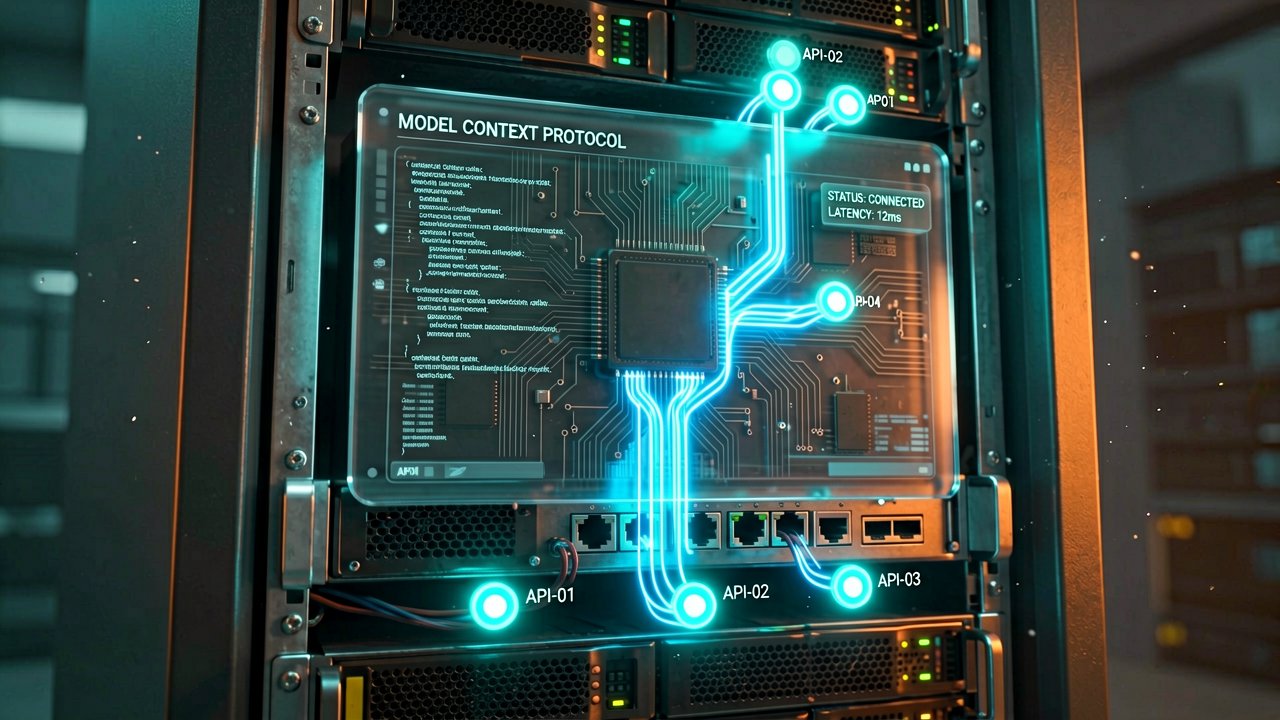
Security operations teams now have a way to wire Command Zero's autonomous investigation engine directly into their existing toolchains. The Austin-based startup released a broad set of API endpoints and a Model Context Protocol (MCP) server on April 29, 2026, according to the company's official press release. This move transforms the platform from a point solution into a programmable substrate for security orchestration.
The release covers four core API surfaces. Investigation endpoints let teams list, start, extend, update, and retrieve investigations against any investigation template. Business context APIs pull data from ServiceNow, continuous threat exposure management platforms, HR systems, and other sources at scale. Catalog and schema endpoints query entity types, data sources, and investigation templates. Remediation endpoints list templates and execute actions from external systems.
What actually changes for analysts? Instead of clicking through a console to start an investigation, a SOAR playbook can now trigger one the moment an alert fires. The investigation runs, collects evidence, and feeds response data back into the case as it develops. No more manual handoffs between tools. (This is the kind of automation that actually matters, not the kind that just generates more dashboards.)
The MCP server wraps the same APIs so that MCP-compatible AI agents can query the platform directly. Analysts can run health checks, list investigations, triage open cases, and build custom dashboards from a chat interface. This matters because it means Claude and other agents can interact with Command Zero's investigation engine without custom integration work.

Independent reporting from SiliconANGLE confirms the technical scope and adds funding context. Command Zero has raised about $31 million in funding, including $21 million when it launched in July 2024. Investors include Andreessen Horowitz, Insight Partners, Okta Ventures, SE Ventures, and Crosspoint Capital.
Security leaders face a choice right now. They can adopt agentic feature sets being added to existing security tools, or invest in net-new autonomous SOC platforms. Dave Gruber, Principal Analyst for Cybersecurity at Omdia, notes this puts architects at an "architectural juncture." Opening investigation capabilities through APIs lets customers weave autonomous investigations into existing tools rather than ripping and replacing them.
Richard Stiennon, Chief Research Analyst at IT-Harvest, adds that opening Command Zero's investigation engine to developers changes what's possible. Teams can use the platform as the substrate for custom threat hunting frameworks, CTI-driven analysis, and bespoke tooling. The MCP server extends that to AI agents, which matters as agentic SecOps moves from pitch decks to day-to-day practice.
What can customers actually build? SOAR playbooks that start investigations automatically. Custom threat hunting frameworks that ingest threat intelligence, generate hypotheses, deploy them as questions in Command Zero, and run autonomous hunts on a schedule. Internal SOC dashboards built in Claude that summarize weekly activity, automation rates, and open investigations in natural language. MSSPs syncing client business context across tenants automatically instead of populating each environment by hand.
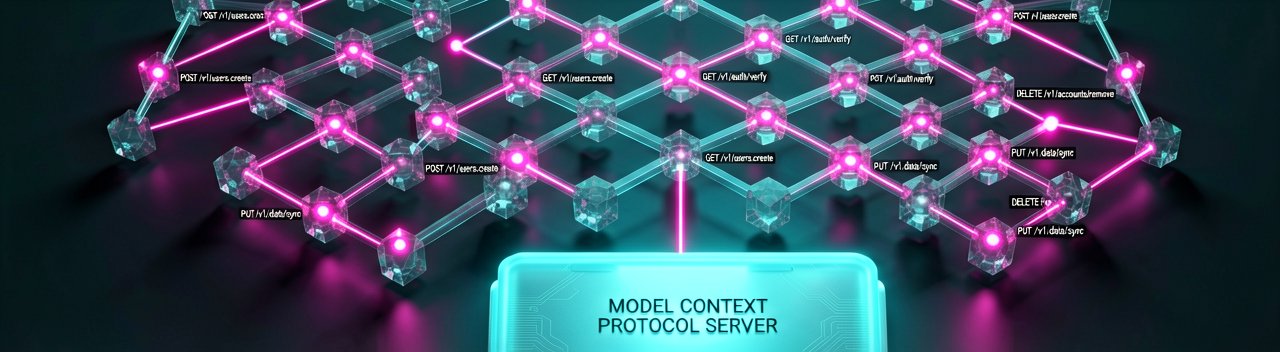
The physical reality of this shift is tangible. Analysts no longer need to manually upload business context into a console. They can pull data from ServiceNow, CTEM platforms, and HR systems programmatically. The friction of clicking through menus and copying data between tools disappears. That's not just convenience—it's the difference between catching a threat in minutes versus hours.
Dov Yoran, Co-founder and CEO of Command Zero, said the best security platforms are the ones teams can build on. This release puts the investigation engine in the hands of customers and technical alliance partners. They can wire the platform into their pipelines, extend it with their own flows, and connect it to AI agents working collaboratively with analysts.
The current release covers the core surface customers need to start building. More API endpoints will follow, shaped by anchor customers' and partners' feedback. Command Zero will also publish sample integrations and reference implementations in the weeks following the launch.
Whether security teams actually adopt this programmability remains the real question. Many organizations struggle with basic tool integration. Adding autonomous agents on top of that complexity is ambitious. The APIs are here, but whether they become essential infrastructure or another abandoned feature set depends on execution.
Artūras Malašauskas is an AI Systems Integrator with 20+ years of production-grade web engineering experience. He has designed, shipped, and scaled enterprise Python/PHP systems for logistics, SaaS, and public-sector clients. For the past year, he has focused exclusively on AI integrations: deploying open-source LLMs, building generative media pipelines (image, audio, video), and engineering multi-agent workflows for real production environments. His standard: reproducibility, security, cost-efficient inference—no vaporware. He documents and evaluates emerging AI tooling, separating verified capabilities from marketing noise. Technical editor at: muza-ai.eu, ai-verslas.lt, ai-naujinos.lt Connect on LinkedIn
Comments