Oracle Brings the Heavy Gear to the Edge with Compact Database Appliance
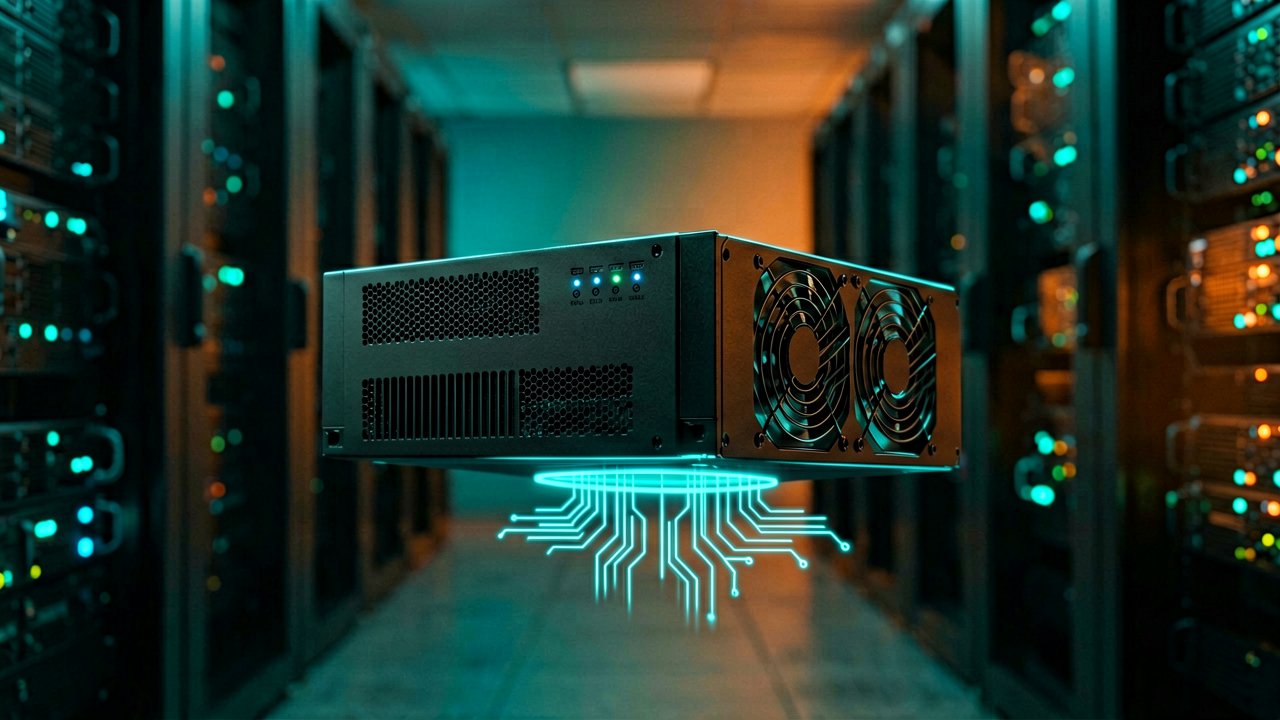
In a move that signals a tactical shift toward decentralizing enterprise data processing, Oracle has officially unveiled a new, compact database appliance meticulously engineered to run remote branch operations. This hardware rollout brings robust database capabilities directly to the edge of corporate networks, ensuring that localized offices no longer have to suffer through the high latency or sketchy connectivity often associated with relying entirely on a distant, centralized data center. By packaging enterprise-grade computing power into a smaller, branch-ready footprint, the tech giant is making a clear play for the growing edge computing market.
The system isn't just about localized data entry or basic record-keeping; it is built to handle intensive modern enterprise workloads right where the action happens. According to reports from Digital Today, the new appliance can comfortably run auxiliary workloads alongside traditional databases, including AI agents. By running these localized AI agents on the exact same physical system that holds the database used for prompt responses, enterprises can dramatically cut down processing latency, giving branch offices snappy, immediate access to smarter applications without the round-trip delay to the cloud.
Defending the Edge Infrastructure
Beyond raw performance, deploying physical hardware to far-flung corporate branches creates a unique set of security headaches that off-site IT teams usually dread. Oracle addresses this head-on by weaving automated, proactive security measures directly into the system's firmware architecture. Before any localized records or transaction histories are synchronized back to the primary enterprise backup copies, the appliance autonomously scans for active threats like ransomware, preventing edge vulnerabilities from compromising the core corporate network. It is a highly practical evolution for an enterprise ecosystem that's increasingly distributed, proving that going small on hardware doesn't mean compromising on muscle or security.
Behind the Scenes: The Edge Architecture Reality
What Most Reports Miss: The true victory of this compact appliance isn't just the smaller chassis, but the radical simplification of the enterprise edge stack. For over a decade, branch office IT infrastructure has been a messy compromise. Companies typically cobbled together generic white-box servers, commercial hypervisors, separate storage arrays, and standalone database licenses. Oracle’s latest move eliminates this expensive jigsaw puzzle by delivering an integrated, pre-tuned stack that mimics the precise architecture of their massive cloud data centers. This vertical integration allows a skeleton IT crew—or even a non-technical branch manager—to spin up enterprise-grade database environments in hours rather than weeks.

This hardware release marks a fundamental shift in how Oracle addresses the distributed enterprise. Historically, the database giant focused its engineering muscle on the core data center, pushing clients toward massive Exadata racks or public cloud migrations. However, industry insiders note that the explosive rise of IoT data, local logistics tracking, and real-time inventory systems created a localized bottleneck. By planting a flag at the network edge, the company is directly countering rival edge-compute plays from cloud natives, keeping customers firmly entrenched within the Oracle ecosystem regardless of physical location.
From an operational standpoint, the inclusion of co-located AI capabilities changes the physics of regional business processing. Running large language models or predictive analytics conventionally required massive, power-hungry GPU clusters located thousands of miles away. By optimizing this compact appliance to host localized AI agents directly alongside transactional data, branch operations like regional clinics or remote manufacturing plants can run diagnostics and predictive modeling locally. The system processes localized prompts instantly, leveraging regional data storage to bypass the bandwidth bottlenecks that usually choke cloud-dependent branch offices.
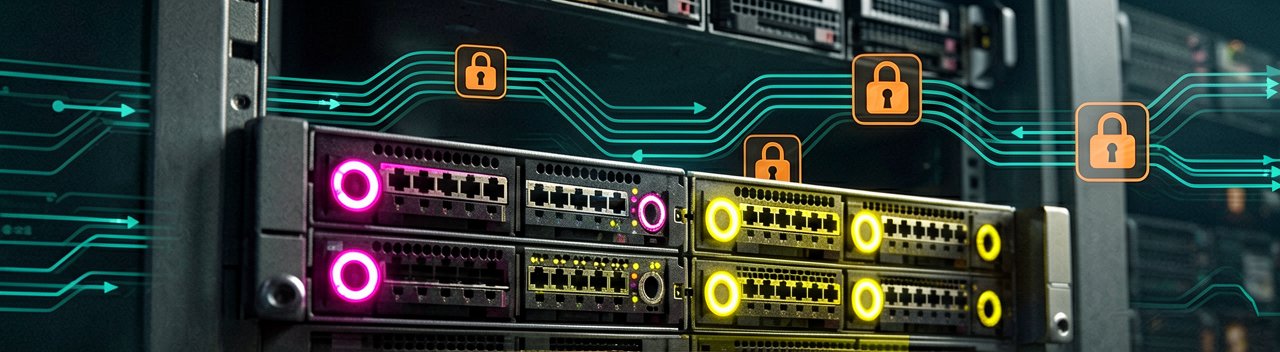
Security analysts are particularly keen on the automated ransomware mitigation baked into this release. In traditional setups, a compromised branch office server could silently sync corrupted files back to the corporate mothership, triggering a company-wide crisis. The appliance's proactive, firmware-level isolation layer acts as an automated firewall for data integrity. Before any local transaction logs or backup batches are permitted to sync with the primary enterprise repository, the system interrogates the data for anomalous encryption signatures, effectively creating a circuit breaker against cascading cyberattacks.
Ultimately, this localized hardware push underscores a broader realization among enterprise architects: the cloud cannot do everything. High bandwidth costs, strict regional data sovereignty laws, and the unforgiving reality of network downtime mean physical on-premise hardware remains vital for survival. Oracle's compact appliance acknowledges this reality, proving that the future of enterprise data isn't a total migration to the cloud, but a balanced equilibrium between a powerful center and an equally intelligent edge.
Reading Between the Lines: The Edge Illusion
The Irony of Decentralization: Oracle's aggressive push into the compact edge market highlights a glaring paradox in modern enterprise strategy. For years, the industry corporate line insisted that the future belonged entirely to the cloud, urging businesses to dismantle their costly physical infrastructure. Yet, this sudden reverence for localized hardware proves that the completely centralized cloud was an idealistic dream rather than a practical reality. By asking companies to reinvest in on-premise branch boxes, tech vendors are effectively admitting that bandwidth constraints, physics, and regional connectivity failures still dictate the terms of global business operations.
There is also a significant tension between the promise of "simplified edge management" and the reality of enterprise database administration. Oracle databases are notoriously complex beasts that typically require specialized database administrators to keep them running smoothly. While automated firmware patches and pre-integrated security scans look great on a product marketing slick, deploying these systems across hundreds of remote warehouses or retail branches introduces a logistical nightmare. If an automated recovery routine fails at a remote mining site or a distant shipping port, companies face a stark choice: maintain an expensive traveling tech team or risk severe operational bottlenecks while waiting for remote remediation.
Furthermore, the inclusion of localized AI agents on branch-level hardware deserves a heavy dose of skepticism. Running micro-LLMs alongside a live transactional database requires careful resource partitioning to ensure that a sudden spike in analytical queries does not throttle standard transactional performance. Given Oracle's historically aggressive licensing models, enterprise architects must carefully weigh whether the convenience of edge AI justifies the inevitable budgetary creep. The risk is that organizations will find themselves trapped in a fresh cycle of hardware upgrades and premium tier software licenses just to keep their localized nodes from choking on modern data loads.
Ultimately, this rollout is less about technological revolution and more about defensive customer retention. As open-source databases and lightweight cloud-native edge tools gain maturity, the traditional enterprise guard needs a way to anchor clients to their existing contracts. A physical appliance sitting in a branch office server rack is the ultimate anchor. It ensures that even as data flows outward to the periphery, the underlying intellectual property and operational dependencies remain firmly tied to a single, monolithic ecosystem.
"In the end, the tech industry's pendulum swings predictably: we spend a decade moving all our data into the sky, only to spend the next decade buying expensive, downsized boxes to pull it right back down to earth."
Artūras Malašauskas is an AI Systems Integrator with 20+ years of production-grade web engineering experience. He has designed, shipped, and scaled enterprise Python/PHP systems for logistics, SaaS, and public-sector clients. For the past year, he has focused exclusively on AI integrations: deploying open-source LLMs, building generative media pipelines (image, audio, video), and engineering multi-agent workflows for real production environments. His standard: reproducibility, security, cost-efficient inference—no vaporware. He documents and evaluates emerging AI tooling, separating verified capabilities from marketing noise. Technical editor at: muza-ai.eu, ai-verslas.lt, ai-naujinos.lt Connect on LinkedIn
Comments