The Kimi K3 Cost Shock: Why Moonshot AI’s Massive Open Model Has Triggered a Nasdaq Selloff
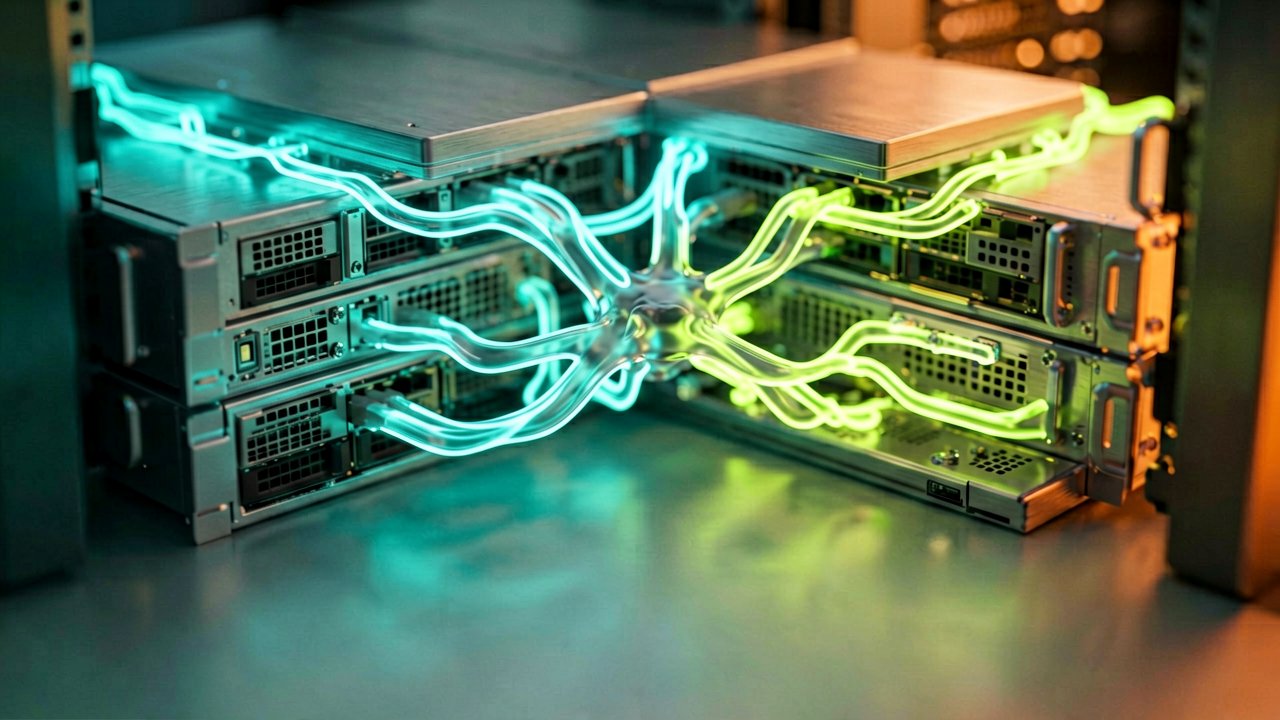
The global artificial intelligence race experienced a seismic shift following the launch of the 2.8 trillion parameter Kimi K3 model by Chinese startup Moonshot AI. Positioned as the world's first open-weight model in the 3-trillion-parameter class, the release has sent shockwaves through the tech sector, triggering a sharp decline in tech-heavy Nasdaq indices. Wall Street is now scrambling to assess how this sudden leap in scale and dramatic cost deflation will reshape the competitive landscape and redefine software-centric AI valuation metrics.
By offering frontier-level intelligence at roughly half the cost of premium proprietary Western models, Kimi K3 introduced a severe capability and cost shock to the capital markets. Built using specialized architectures like Kimi Delta Attention and a highly sparse Mixture of Experts framework, the model efficiently delivers immense computational scale while severely undercutting the premium subscription margins previously taken for granted by Silicon Valley incumbents. This sudden commodity pricing for frontier AI capabilities has forced analysts to re-evaluate the multi-billion-dollar valuation premiums historically granted to closed-source software ecosystems.
However, beneath the initial market volatility, the strategic shift among investors highlights a profound structural reallocation toward secure physical infrastructure. Because the 2.8 trillion parameter architecture requires massive accelerator and hardware capacity to operate locally, the proliferation of such gargantuan open-weight models acts as an aggressive demand driver for memory chip makers and data center suppliers. Capital is quickly rotating away from speculative software applications and toward the tangible computing foundations required to power these massive open-source frameworks at scale.
A Massive Open-Weight Disruption
Unlike proprietary Western models that restrict access behind closed application programming interfaces, Moonshot AI has positioned Kimi K3 as an open-weight system, with full model weights scheduled for public release. According to technical documentation on the Kimi API Platform, the model integrates 896 separate expert groups to activate only 16 experts per token, achieving a 2.5x increase in overall scaling efficiency over previous generations. This structural shift effectively democratizes 3-trillion-class capabilities, allowing enterprises to host, customize, and run frontier intelligence on private infrastructure without ongoing licensing fees.
Challenging the Proprietary Premium
The commercial reality of Kimi K3 threatens the high gross margins that supported early AI software evaluations. Market analysis by Investing.com indicates that Wall Street analysts are radically rethinking the capability gap, as the open model ranks fourth globally on independent leaderboards and clinches top spots in complex front-end coding tasks. With the model performing closely alongside top-tier systems from OpenAI and Anthropic at a fraction of the cost, corporate software buyers are questioning the premium pricing tiers of closed-source alternatives.
The Hardware Reallocation Trend
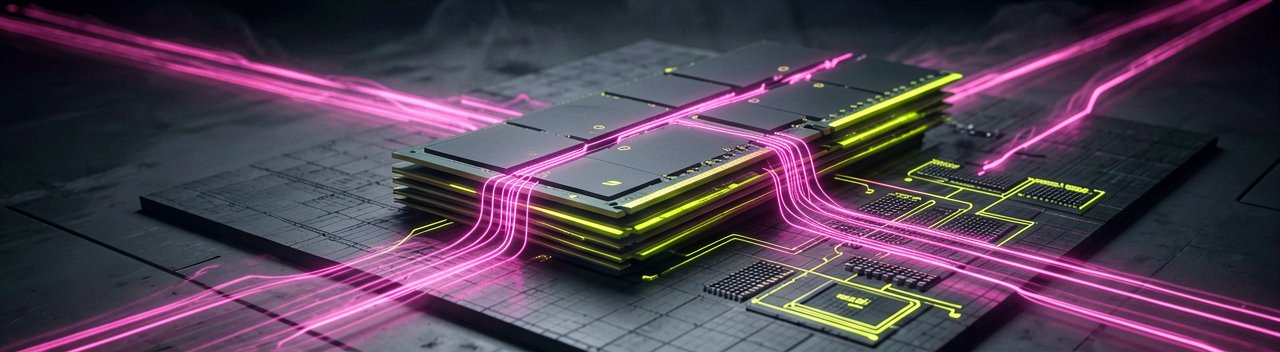
While software providers face a wave of margin compression, the physical components underpinning the AI infrastructure ecosystem remain insulated from the valuation downdraft. Reports compiled by Investing.com via Bloomberg point out that Kimi K3's one-million-token context window and massive parameter density demand vastly higher memory and processing capabilities. This architecture shifts investor focus away from speculative software layer applications and solidifies capital commitments toward hardware, chip manufacturing, and high-bandwidth memory hardware.
Reading Between the Lines: The Structural Paradox of AI Ubiquity
The immediate panic selling sweeping through the tech sector exposes a fundamental contradiction in how public markets have valued the generative AI boom. For the past three years, venture capital and public equities built an investment thesis on the premise that frontier foundation models would operate as traditional software-as-a-service businesses, complete with high gross margins, steep switching costs, and unassailable proprietary moats. The introduction of Moonshot AI’s Kimi K3 effectively dismantles this assumption, proving that the gap between heavily guarded closed ecosystems and open-weight infrastructure is closing at a rate that standard corporate software strategies simply cannot absorb.
This disruption forces a critical re-evaluation of what actually constitutes intellectual property in an era of hyper-scale computation. When a model boasting nearly three trillion parameters becomes accessible for enterprise self-hosting, the pricing power of closed-source vendors erodes almost overnight, turning premium intelligence into a highly commoditized utility. Tech companies that secured massive valuations solely on their ability to generate text, code, or reason find themselves holding depreciating assets as the cost of raw capability plummets toward zero. The real value is rapidly migrating away from the intelligence layer itself and toward the proprietary corporate data networks that can uniquely steer these massive open systems.

Furthermore, the market's sudden pivot toward hardware stocks reveals an underlying anxiety about the sheer physical constraints of this new architectural paradigm. While software valuations are deflating due to hyper-competition and cost compression, the physical infrastructure layer is experiencing a massive consolidation of power. Operating an open model of this magnitude requires an unprecedented amount of compute, turning high-bandwidth memory, specialized accelerators, and specialized data-center cooling systems into the actual rent-collecting tollbooths of the digital economy. Software companies are now forced into a difficult position where they must spend heavily on physical infrastructure just to distribute a product that is rapidly losing its premium pricing power.
In the long term, this market correction will likely separate speculative AI applications from sustainable enterprise infrastructure. The initial wave of capital favored the flashiest software interfaces, but the next phase belongs to the operators who control the physical compute supply chains and localized data pipelines. As open-weight systems like Kimi K3 become the baseline standard for corporate enterprise computing, the premium software layer will need to evolve beyond simple wrappers and offer deep, irreplaceable workflow integration to justify any semblance of their former market premiums.
"We spent years hunting for the definitive AI killer app, only to discover that the killer app is just an incredibly large, open-source file that obliterates everyone's software margins while simultaneously making the utility company look like the ultimate tech investment of the decade."
Artūras Malašauskas is an AI Systems Integrator with 20+ years of production-grade web engineering experience. He has designed, shipped, and scaled enterprise Python/PHP systems for logistics, SaaS, and public-sector clients. For the past year, he has focused exclusively on AI integrations: deploying open-source LLMs, building generative media pipelines (image, audio, video), and engineering multi-agent workflows for real production environments. His standard: reproducibility, security, cost-efficient inference—no vaporware. He documents and evaluates emerging AI tooling, separating verified capabilities from marketing noise. Technical editor at: muza-ai.eu, ai-verslas.lt, ai-naujinos.lt Connect on LinkedIn
Comments