The Algorithmic Stethoscope: How AI is Rewriting Clinical Diagnostics and Patient Outcomes
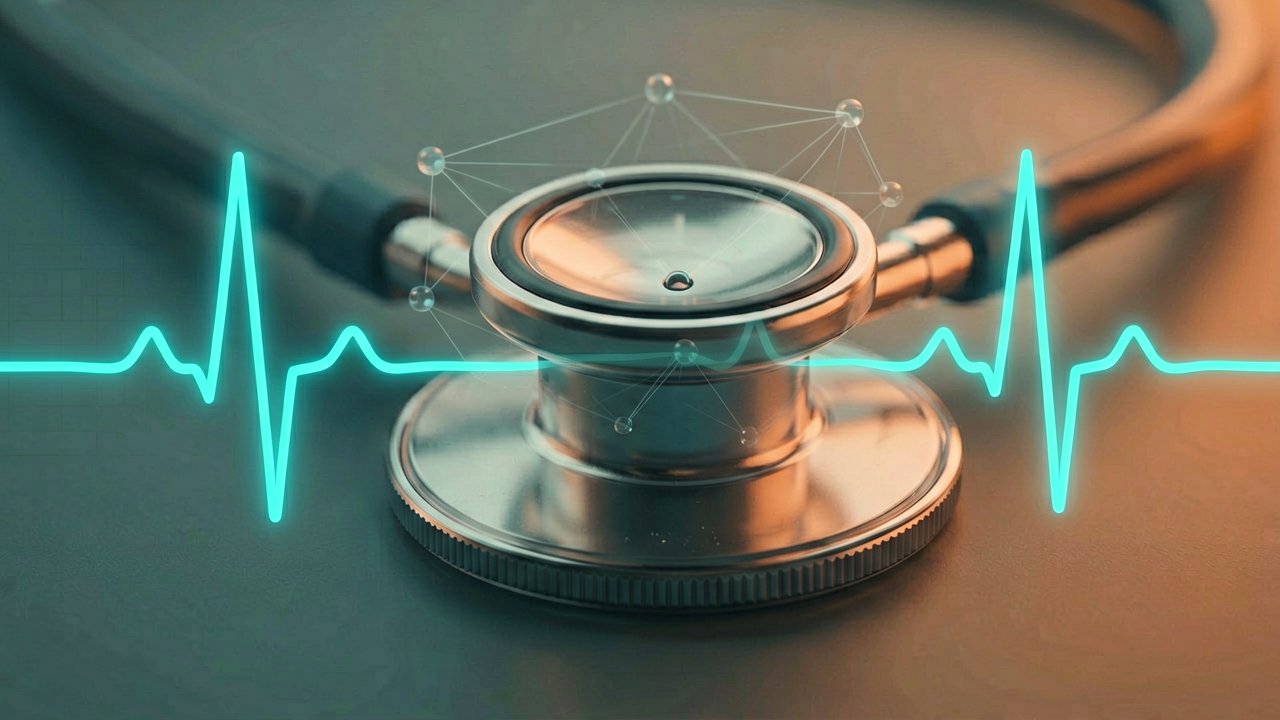
The traditional medical exam room is undergoing a profound structural shift as artificial intelligence evolves from a back-office administrative tool into an active, real-time diagnostic partner. At the center of this transformation is the evolution of the 200-year-old stethoscope into an intelligent sensor network capable of capturing, analyzing, and interpreting physiological data at the point of care. Rather than replacing the clinician, these algorithmic systems act as an immediate layer of clinical decision support, identifying complex abnormalities within seconds during a routine physical consultation.
This market evolution is defined by a shift toward decentralized, high-precision screening tools that mitigate diagnostic uncertainty before patients are routed to expensive specialized imaging. By embedding deep learning capabilities directly into familiar tactile hardware, medical technology developers are successfully bypassing the steep adoption curves that frequently stall enterprise digital health implementations. For healthcare systems navigating acute labor shortages and unprecedented burnout, this strategy offers an immediate pathway to elevate frontline diagnostic accuracy while anchoring the patient experience in a high-touch, human-centric environment.
Strategic Shifts in Point-of-Care Diagnostics
The clinical paradigm is migrating away from reactive, facility-dependent testing toward opportunistic, point-of-care screening. Historically, identifying complex structural cardiac anomalies required dedicated diagnostic infrastructure, such as specialized echocardiography laboratories. However, regulatory clearings are altering this dynamic by allowing complex algorithms to interpret low-frequency acoustics and synchronized electrical signals directly within primary care clinics.
A prominent example of this shift is the commercialization of specialized platforms designed for immediate cardiovascular assessment. According to documentation from Eko Health , their FDA-cleared software platform targets the early detection of heart murmurs, atrial fibrillation, and structural abnormalities during standard checkups. This decentralized framework democratizes specialized clinical intelligence, allowing general practitioners to identify subtle warning signs that previously required an advanced cardiology referral.
Quantifying Clinical Accuracy and Early Detection
The core business and clinical justification for algorithmic stethoscopes rest on their measurable superiority over unassisted human auscultation. Large-scale clinical evaluations have demonstrated that automated acoustic analysis mitigates the subjective nature of traditional physical exams, which vary wildly based on clinician experience and environmental noise levels.
- Sensitivity Benchmarks: Research published by the European Society of Cardiology indicates that AI-enabled stethoscopes achieve a 92.3% sensitivity rate for detecting valvular heart disease patterns.
- Detection Multipliers: Clinical trial results demonstrate that these algorithmic tools more than double the diagnostic sensitivity for catching moderate-to-severe valvular heart disease compared to conventional analog stethoscopes.
- Rapid Assessment: Point-of-care analytics process combined acoustic and electrocardiogram data in under 15 seconds, facilitating immediate screening without extending standard consultation windows.
The Expansion of FDA-Cleared Algorithms
The regulatory landscape reflects a sustained commitment to validating machine learning tools within the cardiology ecosystem. This steady pipeline of approvals has turned data-driven stethoscopes into highly regulated, enterprise-grade clinical utilities backed by robust clinical consensus.
As reported by Cardiovascular Business, cardiology remains one of the primary specialties driving digital health innovation, boasting more than 200 FDA-cleared AI algorithms. This deep regulatory library includes sophisticated neural networks developed in collaboration with elite clinical research entities. For instance, a notable milestone highlighted by STAT News detailed the FDA clearance of an algorithm built alongside Mayo Clinic researchers specifically optimized to identify low ejection fraction, a hidden precursor to heart failure, from a simple 15-second stethoscope reading.
Balancing Algorithmic Precision with Human-Centric Care
The true benchmark for success in deploying these platforms is the optimization of the clinician-patient relationship. Rather than constructing a digital barrier between providers and patients, smart diagnostic hardware acts as a collaborative bridge. By automating the technical heavy lifting of signal filtering and pattern recognition, clinicians can redirect their cognitive energy away from analytical second-guessing and toward direct patient communication.
Furthermore, early deployments indicate that these platforms alter patient engagement dynamics in a positive way. Industry findings compiled by Diagnostic and Interventional Cardiology reveal that patients assessed with AI-enabled digital stethoscopes show higher levels of appointment engagement. This spike in trust occurs because patients can visually track real-time phonocardiogram and electrocardiogram readouts alongside their physician, transforming a passive physical exam into an interactive, transparent educational experience that drives subsequent treatment compliance.
Reading Between the Lines: The Structural Friction of Automated Auscultation
Behind the Data Screens: While the rapid adoption of algorithmic stethoscopes is celebrated as a triumph of point-of-care efficiency, a glaring contradiction exists between clinical validation and real-world workflow integration. Medical technology developers frequently pitch these devices as seamless additions to a standard consultation, yet they often underestimate the cognitive friction they introduce. In a high-throughput primary care setting, where physicians face strict time constraints per patient, adding even a 15-second data processing window can disrupt established clinical rhythms. The friction intensifies when the algorithm flags an abnormality that sits in a clinical gray zone, forcing the practitioner into an immediate dilemma: order an expensive, potentially unnecessary echocardiogram to mitigate liability, or override the machine and risk missing a silent pathology.
This dynamic shifts the liability landscape from traditional clinical intuition to a complex negotiation with automated recommendations. Hospital administrators view these tools as a mechanism to standardize care quality across varying experience levels, effectively raising the floor for frontline diagnostic accuracy. However, this standardization introduces a subtle form of deskilling. As early-career clinicians increasingly rely on an algorithmic safety net to interpret low-frequency murmurs or subtle arrhythmia patterns, the foundational, unassisted tactile and auditory skills that defined generations of medicine risk atrophy. The long-term implication is a systemic dependency on proprietary neural networks, converting the physician from an autonomous diagnostician into a data validator.
Furthermore, the democratization of specialized intelligence creates a downstream bottleneck that the broader healthcare infrastructure is ill-prepared to handle. When a primary care clinic deploys an AI-enabled tool that doubles the detection rate of valvular heart conditions, it simultaneously triggers a massive influx of referrals to secondary cardiology laboratories. These specialized facilities are already struggling with severe technician shortages and backlogs. Without a corresponding expansion in diagnostic infrastructure to ingest this newly identified patient cohort, the algorithmic stethoscope merely accelerates the identification of risk while doing little to shorten the actual time-to-treatment window.
Ultimately, the commercial push behind these devices exposes an ideological rift regarding what constitutes patient-centered care. Technology advocates present the real-time visualization of a phonocardiogram on a smartphone screen as an empowering tool for health literacy, under the assumption that patients want transparency and raw data. In practice, presenting a highly anxious patient with an erratic waveform alongside an algorithmic alert can induce acute diagnostic anxiety before a definitive clinical diagnosis is established. True human-centric care relies on the physician's ability to filter and contextualize information, meaning the most critical skill for the modern clinician may not be how well they use the algorithm, but knowing exactly when to turn it off.
"We have spent two centuries refining the art of listening to the human heart, only to discover that the ultimate solution is a piece of code that listens faster, never gets distracted by a noisy hallway, and occasionally requires a firmware update just as the patient takes a deep breath."
Artūras Malašauskas is an AI Systems Integrator with 20+ years of production-grade web engineering experience. He has designed, shipped, and scaled enterprise Python/PHP systems for logistics, SaaS, and public-sector clients. For the past year, he has focused exclusively on AI integrations: deploying open-source LLMs, building generative media pipelines (image, audio, video), and engineering multi-agent workflows for real production environments. His standard: reproducibility, security, cost-efficient inference—no vaporware. He documents and evaluates emerging AI tooling, separating verified capabilities from marketing noise. Technical editor at: muza-ai.eu, ai-verslas.lt, ai-naujinos.lt Connect on LinkedIn
Comments