Silicon Prairie Shift: South Dakota Public Universities Launch Specialized AI Degree Pipelines
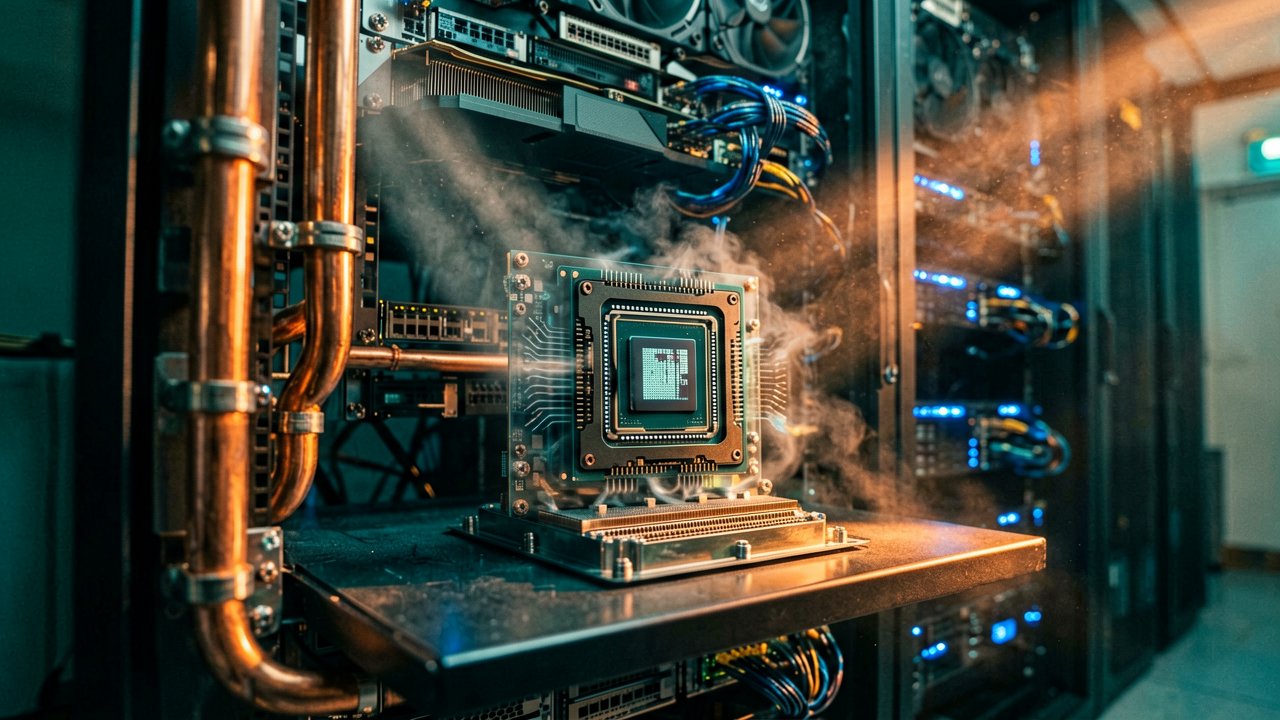
The South Dakota Board of Regents approved four new advanced degree programs in artificial intelligence. This regulatory greenlight establishes dedicated pipelines at Dakota State University (DSU) and South Dakota State University (SDSU) to fuel regional tech workforce growth. The programs range from undergraduate engineering tracks to highly specialized doctoral research paths. These programs are positioned to meet immediate demand across regional defense, agriculture, and cybersecurity sectors.
According to an official systemwide strategic plan published by the South Dakota Board of Regents, the curriculum rollout integrates structured AI pipelines into the state's traditional public infrastructure. Higher education institutions are shifting from generic tech training to specialized machine learning engineering. Concurrently, universities are pursuing $24.5 million in capital funding to sustain the physical data infrastructure required for heavy model training. This strategy ensures that local institutions remain competitive with national tech hubs.
Academic Specialization and Curricular Breakdown
The academic expansion targets specific high-yield niches within the state's leading technology and research universities. DSU will leverage its deep cybersecurity foundation to establish a doctoral program in Artificial Intelligence. The curriculum focuses on autonomous systems, intelligent infrastructure, and national security data applications. Conversely, SDSU is introducing an interdisciplinary Artificial Intelligence Engineering suite. This framework spans bachelor's, master's, and doctoral pathways to combine core software deployment with physical hardware integration.
Regional Workforce Impact and Capital Initiatives
The regional shift aims to mitigate local brain drain by anchoring skilled artificial intelligence professionals to local industry demands. Data from a public filing by shows that local industries require graduates skilled in managing complex hardware-software systems. To maintain the underlying compute power, state university presidents are leveraging a $4.5 million annual component of their funding request. This capital replaces aging server clusters and finances required cybersecurity safeguards. An additional $1.6 million will be drawn annually from student tuition fees to preserve infrastructure predictability. This establishes a sustainable financial blueprint for technical workforce development.
The Architectural Strain: Balancing Heavy Compute with Public Budgets
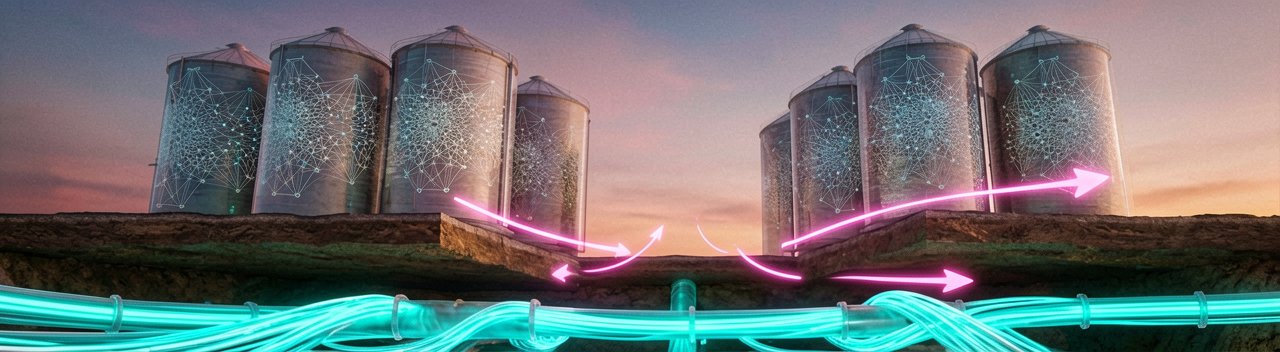
Beyond the Institutional Press Releases: The administrative reality of deploying competitive artificial intelligence programs within a public university framework introduces severe infrastructural friction. Unlike standard computer science tracks that rely on basic desktop environments, modern machine learning curricula demand sustained access to enterprise-grade graphics processing units. South Dakota's academic leadership faces the challenge of funding these immense capital expenditures without triggering unsustainable tuition hikes. The state's strategy hinges on a hybrid model that blends centralized university server farms with federally subsidized supercomputing clusters, ensuring students can train large-scale neural networks locally.
This technical infrastructure requires a parallel overhaul of local electrical grids and cooling facilities within older campus laboratories. Administrators at Dakota State University and South Dakota State University are optimizing their computational resources by establishing strict scheduling protocols for model training. By staggering student access and prioritizing high-level doctoral research during off-peak hours, the universities reduce peak power demands on municipal utilities. This operational compromise highlights the hidden physical costs of digital transformation in public higher education systems that lack the multi-billion-dollar endowments of coastal institutions.
Furthermore, retention of qualified instructional talent presents a persistent hurdle for regional institutions. The academic salaries offered by Midwestern public universities struggle to compete with the lucrative compensation packages standard in the private tech sector. To bridge this compensation gap, South Dakota is leveraging unique partnerships with federal defense agencies and agricultural conglomerates. By offering faculty members dual roles that combine academic freedom with well-funded, proprietary industry research contracts, the state creates an alternative professional incentive structure designed to keep top-tier computer scientists in the region.
The long-term economic gamble relies entirely on the local business ecosystem's ability to absorb this highly specialized workforce upon graduation. If regional financial firms, precision agriculture providers, and defense contractors fail to offer competitive technical roles, the state risks funding a subsidized talent pipeline for established technology hubs in California and Washington. Consequently, university boards are actively embedding mandatory local internship components into the new degree frameworks, anchoring students to regional employers long before they receive their diplomas.
The Pragmatic Hurdles of Regional Tech Hub Ambitions
Reading Between the Lines: The assumption that specialized degree programs will automatically generate a self-sustaining regional tech ecosystem overlooks a fundamental economic contradiction. Academic institutions can rapidly update curricula and build modern laboratories, but they cannot single-handedly alter regional corporate infrastructure. The Midwestern market remains deeply rooted in traditional sectors like logistics, manufacturing, and legacy agriculture. These industries typically view artificial intelligence as a software tool to purchase from established global vendors rather than a proprietary technology to develop in-house using local engineering talent.
This reality creates a significant systemic mismatch between graduate capabilities and local job requirements. A student trained in complex neural network architecture may find that regional job openings are limited to basic IT support or standard database management. Without a simultaneous migration of venture capital firms and dedicated tech enterprises to the region, the state faces an uphill battle. It risks functioning as an expensive, publicly funded training ground for professionals who will ultimately take their high-value skills to coastal tech corridors where the corporate infrastructure already exists to leverage them.
Furthermore, the rapid pace of commercial AI development introduces a serious risk of curricular obsolescence before the first cohort of students even graduates. While public university governance and state boards of regents operate on multi-year approval and review cycles, the underlying machine learning frameworks evolve in matters of months. Keeping course materials, hardware specifications, and instructional certifications synchronized with cutting-edge industry standards requires continuous reinvestment. If state funding plateaus after the initial public relations momentum fades, these programs risk teaching outdated methodologies that fail to give students a true competitive edge.
"Building a Silicon Prairie sounds magnificent on a university brochure, right up until the moment a state-certified machine learning engineer realizes that the closest local firm hiring for generative model design is actually a four-hour flight away from the nearest cornfield."
Artūras Malašauskas is an AI Systems Integrator with 20+ years of production-grade web engineering experience. He has designed, shipped, and scaled enterprise Python/PHP systems for logistics, SaaS, and public-sector clients. For the past year, he has focused exclusively on AI integrations: deploying open-source LLMs, building generative media pipelines (image, audio, video), and engineering multi-agent workflows for real production environments. His standard: reproducibility, security, cost-efficient inference—no vaporware. He documents and evaluates emerging AI tooling, separating verified capabilities from marketing noise. Technical editor at: muza-ai.eu, ai-verslas.lt, ai-naujinos.lt Connect on LinkedIn
Comments