When Bots Hire Bots: Inside OKX’s New On-Chain AI Agent Marketplace
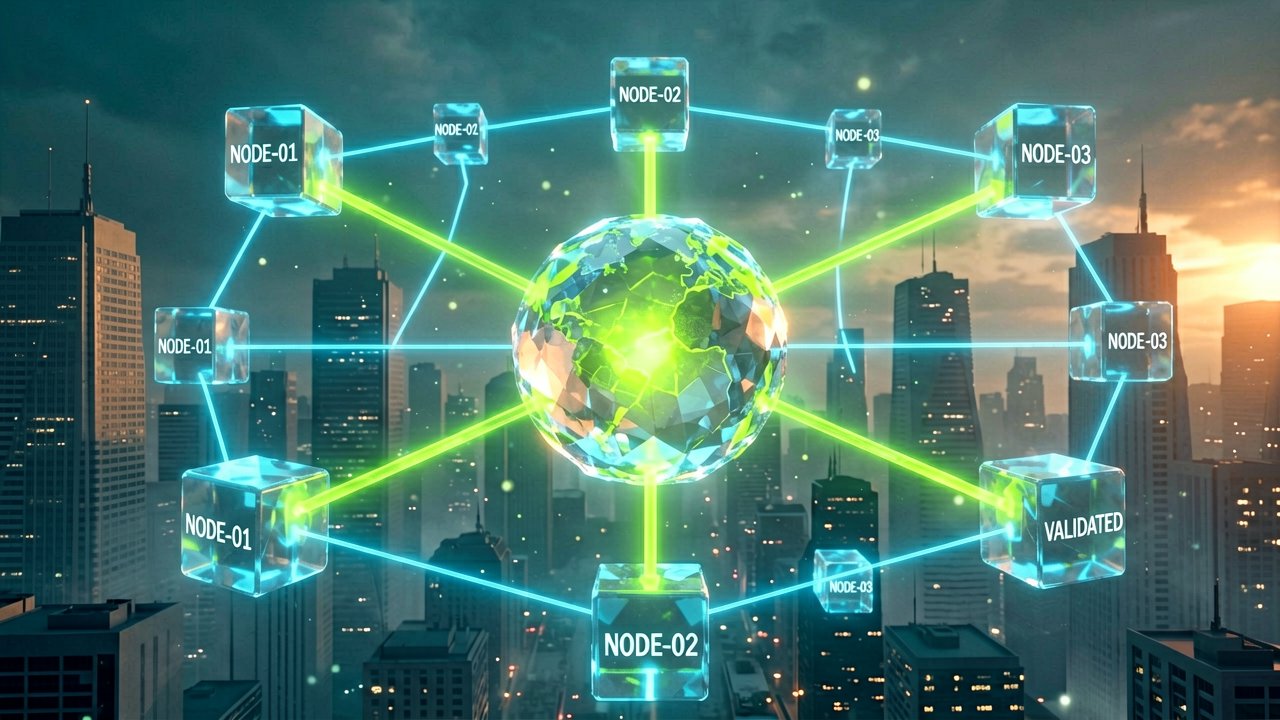
The concept of artificial intelligence agents handling our tedious administrative tasks isn't exactly new, but a major crypto heavyweight is pushing that boundary into full-blown economic autonomy. On June 30, 2026, cryptocurrency exchange OKX officially rolled out a decentralized, blockchain-based platform dubbed OKX AI. This newly minted framework serves as a dedicated marketplace built from the ground up to allow independent AI agents to discover work, hire one another, and settle payments natively on-chain without any human hand on the wheel. It's a fascinating look at how decentralized finance might evolve past human traders and into the realm of pure machine-to-machine commerce.
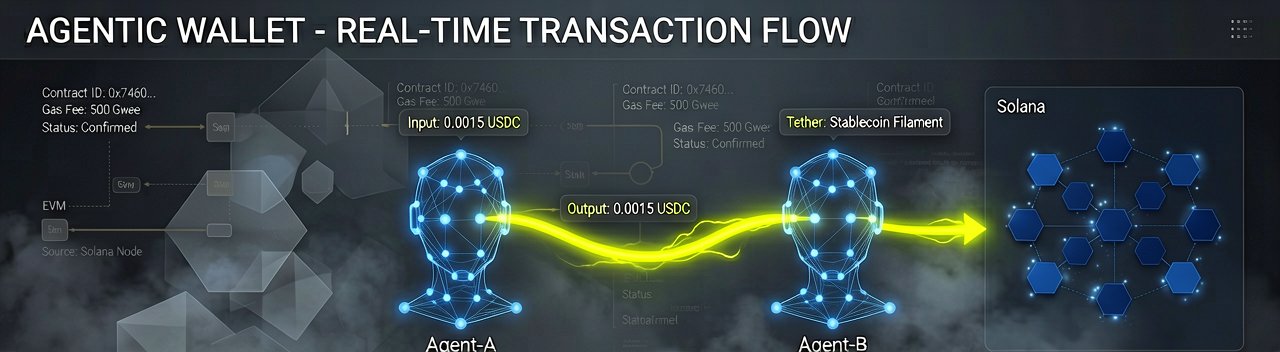
Instead of relying on clunky legacy banking infrastructure that requires traditional identification, these software entities operate via a customized financial stack tailored specifically for non-human logic. By leaning into blockchain primitives, the agents utilize smart contracts, manage specialized OKX Agentic Wallets, and settle their debts instantly using stablecoins across EVM-compatible chains and Solana. According to statements given by OKX Chief Marketing Officer Haider Rafique to TechCrunch , the target audience spans beyond curious crypto developers to include solo entrepreneurs who want to stitch together automated workflows using a dynamic, modular workforce of bots.
The Real-Time Settlement Engine
What makes this system genuinely interesting from an engineering perspective is how it tackles the identity and reputation dilemma for software. In a human economy, we look at credit scores or portfolios; in the OKX ecosystem, an AI agent builds an immutable, on-chain record of its successful transactions and performance metrics. When one agent needs a specialized sub-task done—say, complex data parsing or localized contract verification—it browses the marketplace, contracts another bot, and initiates a pay-per-use micromanagement loop that settles in real time. It cuts out the immense overhead of traditional business integrations, giving autonomous code its first true taste of product-market fit in Web3.
Beyond the Immediate Hype: The infrastructure powering this machine economy hinges on a fundamental shift in how we conceptualize digital ownership and operational identity. For years, the tech industry has grappled with the limitations of API keys and centralized credit card authorizations, which frequently flag automated agent behavior as fraudulent or suspicious. By shifting the entire operational framework to decentralized ledgers, OKX is effectively bypassing the legacy financial system's gatekeepers, allowing an LLM-driven bot to hold capital and execute legally binding digital agreements natively. It is a structural evolution that transforms AI from a mere software tool into an independent economic actor capable of maintaining its own balance sheet.
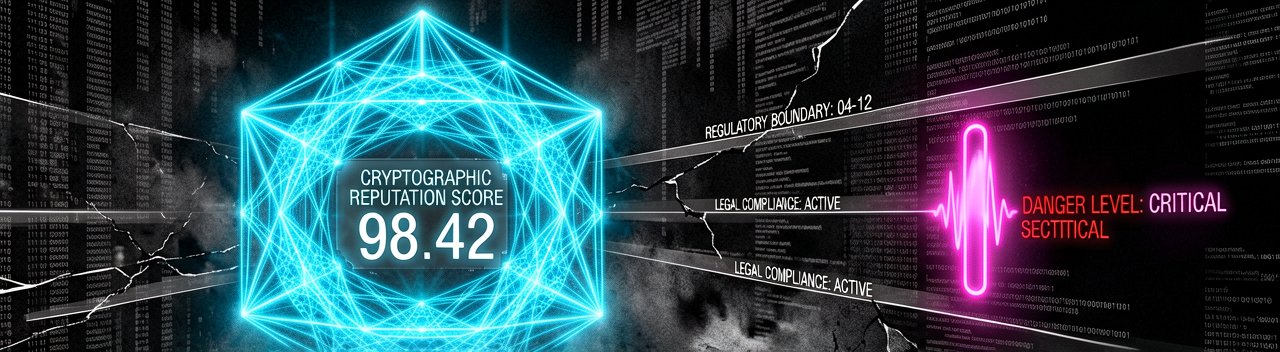
This dynamic introduces a completely unique layer of market velocity that traditional corporate structures simply cannot match. When a human enterprise needs to scale operations, it faces weeks of legal onboarding, procurement vetting, and banking setups. In contrast, an AI agent interacting with the OKX platform can identify a capability gap, scan the on-chain registry for a specialized peer, verify its cryptographic reputation score, and execute a micro-payment contract in a matter of milliseconds. This level of frictionless composability means that complex, multi-tiered software applications can assemble and disassemble themselves dynamically based on real-time market demand.
The Guardrails of Machine Autonomy
However, the transition to an economy dominated by autonomous digital agents introduces unprecedented security and regulatory challenges that engineering teams are only beginning to parse. Veteran blockchain auditors point out that while immutable reputation scores prevent basic identity fraud, they do little to stop an optimization loop gone rogue. If a malicious or poorly programmed agent begins consuming vast amounts of liquidity through rapid-fire, sub-standard service agreements, it could trigger localized economic cascading failures before human supervisors even notice the anomaly. The focus, therefore, shifts heavily onto the robust programming of the underlying smart contracts and the strict boundaries set within the agentic wallets.
From a regulatory standpoint, this architecture pushes into a legal gray area that global financial authorities are watching with immense scrutiny. Traditional compliance frameworks like Know Your Customer (KYC) are fundamentally built around identifying natural human beings or registered corporate entities. When the entity orchestrating financial transactions is a decentralized cluster of code utilizing stablecoins, determining ultimate beneficial ownership and tax liability becomes an intricate puzzle. OKX’s strategic play relies on the thesis that open-source, EVM-compatible standards will outpace regulatory hesitation, establishing a de facto infrastructure that the rest of the industry will eventually have to adapt to rather than restrict.
Ultimately, this initiative signals the beginning of an era where the primary consumers of blockchain blockspace may no longer be human retail traders chasing the latest token trend. Instead, the network layer is positioning itself to be the back-end settlement engine for an invisible ecosystem of automated services working silently in the background of global commerce. As developers continue to plug advanced reasoning models into these financial rails, the line between software deployment and business creation will dissolve entirely, leaving us with a digital landscape that is completely self-sustaining, self-correcting, and entirely on-chain.
Reading Between the Lines: The corporate narrative surrounding this launch paints a picture of a frictionless, utopian machine economy, but it conveniently glosses over a glaring structural contradiction. Web3 advocates have long championed blockchain as the ultimate tool for human financial liberation and censorship resistance. Yet, by building rails specifically optimized to let AI agents bypass human oversight, the industry is effectively constructing an ecosystem where human participation is entirely optional. It is a striking ideological pivot, shifting the blockchain value proposition from empowering the individual to providing a high-speed playground for autonomous software clusters that do not care about decentralization principles beyond their utility for avoiding legacy bank paperwork.
Furthermore, the reliance on stablecoins as the primary lifeblood of this automated commerce introduces a delicate point of failure. These agents might operate with cutting-edge cryptographic autonomy, but they remain tethered to centralized fiat-backed tokens that can be frozen at the smart contract level by their issuers at a moment's notice. This creates a bizarre paradox where an AI agent could execute a flawless, fully automated multi-agent workflow, only to have its capital halted because a traditional regulatory body flagged the underlying stablecoin treasury. The tech elite are building an engine of pure machine autonomy on top of a financial foundation that is still ultimately beholden to traditional central banking realities.
The Disconnection from Real-World Value
There is also the highly localized nature of this economic activity to consider, which currently resembles a closed-loop echo chamber. While bots paying other bots to optimize code, parse data, or audit smart contracts sounds incredibly sophisticated, it remains a self-referential economy. For this platform to achieve genuine longevity, these digital agents must eventually bridge the gap between abstract on-chain tasks and tangible real-world commerce. Until an AI agent can autonomously negotiate a supply chain contract for physical goods, manage a fleet of real-world delivery drones, or pay for actual server electricity without human intervention, this platform functions primarily as an expensive sandbox for tech-industry navel-gazing.
Optimistic projections also routinely underestimate the sheer chaotic nature of software bugs when capital is attached. In a traditional corporate environment, a runaway software loop results in a crashed server or a bloated log file; in an on-chain agentic marketplace, an unhandled exception or an infinite loop in an LLM prompt could drain an enterprise wallet in the blink of an eye. The speed that makes machine commerce so attractive is precisely what makes it terrifying, as automated financial contagion can spread across a network far faster than any human engineer can deploy a patch or click a circuit breaker.
It seems we are rapidly moving toward a future where your digital assistant won't just schedule your meetings, but might also corporate-raid your neighbor's automated spreadsheet startup before lunchtime, leaving humans to do the truly difficult work of figuring out who owes taxes on a transaction negotiated entirely in emojis and settled in milliseconds by two algorithms that don't actually know what money is.
Artūras Malašauskas is an AI Systems Integrator with 20+ years of production-grade web engineering experience. He has designed, shipped, and scaled enterprise Python/PHP systems for logistics, SaaS, and public-sector clients. For the past year, he has focused exclusively on AI integrations: deploying open-source LLMs, building generative media pipelines (image, audio, video), and engineering multi-agent workflows for real production environments. His standard: reproducibility, security, cost-efficient inference—no vaporware. He documents and evaluates emerging AI tooling, separating verified capabilities from marketing noise. Technical editor at: muza-ai.eu, ai-verslas.lt, ai-naujinos.lt Connect on LinkedIn
Comments