How Clair Obscur: Expedition 33 Shattered Records at The Game Awards 2025
The gaming landscape witnessed a historic shift at the annual presentation of The Game Awards on December 11, 2025. In a stunning sweep that caught many industry insiders off guard, the debut indie title Clair Obscur: Expedition 33 took home the coveted Game of the Year award, solidifying its place in video game history. Developed by France-based Sandfall Interactive and published by Kepler Interactive, the Belle Époque-inspired turn-based role-playing game completely dominated the evening's festivities.
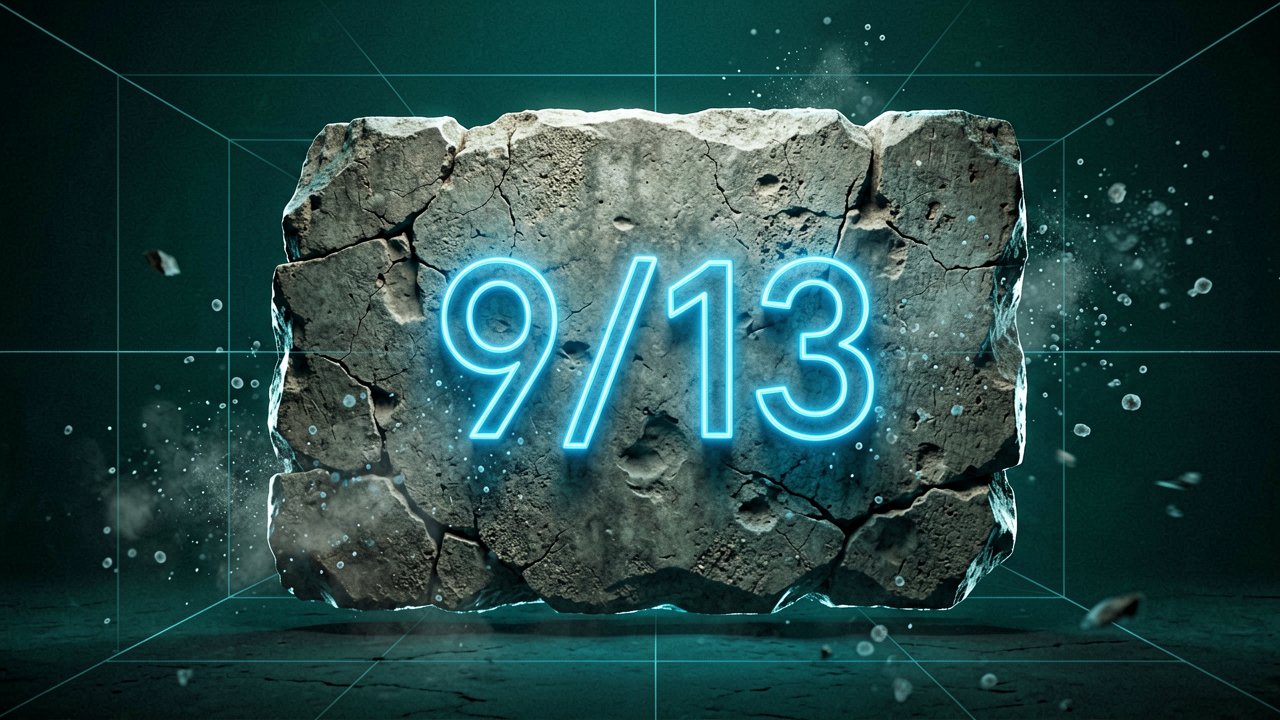
By the time the final curtains fell, the title had completely rewritten the record books. It managed to secure a mind-boggling nine wins out of thirteen total nominations, surpassing the previous record of seven individual trophies held by Naughty Dog's The Last of Us Part II. The sweep underscored a massive year for creative independence, showcasing how a targeted artistic vision can completely outshine mega-budget live-service blockbusters.
A Historic Night for Sandfall Interactive
The achievement represents an astonishing milestone for Sandfall Interactive, a studio that defied widespread industry rumors regarding its team size and demographic makeup to deliver one of the most polished experiences of the decade. Built using Epic Games' cutting-edge Unreal Engine 5 development toolkit, the title paired highly tactical turn-based combat with active, real-time defensive mechanics. Gamers and critics alike praised its unique premise—a desperate, final march to destroy an enigmatic "Paintress" who systematically erases generations of humanity by painting an ever-decreasing number on a monolithic wall.
The game stood tall against heavy competition during the December event, beating out highly anticipated rival projects including Kojima Productions' star-studded sequel Death Stranding 2: On the Beach. Reports highlighted by mainstream tech media like Variety confirmed that the victory marked a definitive turning point for independent publishing models. Furthermore, comprehensive documentation of the historic sweep remains preserved across archiving networks and public encyclopedias like Wikipedia, tracking the project's meteoric rise from an ambitious reveal to the highest echelons of interactive entertainment.

The Hidden Architecture of a Modern Masterpiece
What Most Reports Miss: The unprecedented sweep at The Game Awards wasn't just a victory for indie developers; it was a validation of a high-stakes mechanical gamble. For years, major publishers operated under the assumption that traditional turn-based role-playing games were a dying breed, fit only for nostalgic retro throwbacks or niche audiences. Sandfall Interactive completely upended this narrative by weaving real-time, precision-based parry and dodge mechanics directly into the DNA of classic menu-driven combat. This hybrid framework forced players to stay completely engaged during enemy turns, transforming what could have been a passive tactical experience into a breathless, pulse-pounding spectacle.
Industry insiders point out that the studio's technical strategy was just as aggressive as its mechanical design. Navigating the notorious complexities of Unreal Engine 5, a relatively small team managed to deliver a breathtakingly optimized world that rivaled the visual fidelity of studios ten times its size. By prioritizing stylized Belle Époque aesthetics over hyper-realism, the developers avoided the crushing visual asset pipelines that frequently trigger multi-year delays for AAA competitors. This strategic artistic direction allowed them to channel vital resources into tightening the game's core loop and perfecting its unique narrative premise.
From a stakeholder perspective, the triumph represents a monumental win for Kepler Interactive’s co-ownership publishing model. Unlike traditional arrangements where publishers dictate creative terms from the top down, Kepler operates on a structure that gives member studios a direct say in operational decisions and a larger share of the profits. This collaborative, developer-first ecosystem provided Sandfall Interactive with the financial stability to polish the title without sacrificing their core artistic integrity. The payoff was immediate, signaling to the wider investment community that giving creators true operational autonomy can yield both critical historic milestones and massive commercial rewards.
The emotional resonance of the narrative also played a massive role in winning over the voting jury. The concept of the Paintress—a cosmic entity who awakens once a year to paint a number on a monolith, instantly turning everyone of that age to dust—served as a poignant, haunting metaphor for mortality and the relentless passage of time. As the expeditionary force marched through surreal, decaying landscapes toward an inevitable sacrifice, players were treated to a story that felt deeply human and grounded, despite its grand fantastical elements. It is this rare combination of tight, innovative gameplay loops and mature, thematic storytelling that will likely influence game designers for the rest of the decade.
The Paradox of Independent Domination
Reading Between the Lines: The collective euphoria surrounding this historic sweep conveniently papers over a glaring contradiction in how the industry defines an "indie" breakthrough. While commentators celebrate the victory as a triumphant David-and-Goliath story, the reality is far more corporate. Sandfall Interactive did not build this masterpiece in a vacuum on a shoestring budget. Backed by the robust financing and global marketing muscle of Kepler Interactive, and powered by Epic Games' heavily subsidized ecosystem, the project represents a new breed of "triple-I" development. Calling it a pure independent victory stretches the term to its absolute limit, blurring the line between scrappy creative risk-taking and highly calculated institutional backing.
This blurring of lines raises uncomfortable questions about what this win means for true grassroots developers who lack access to top-tier publishing syndicates. When a beautifully financed, technically flawless epic sweeps the indie categories alongside the grand prizes, it effectively moves the goalposts out of reach for smaller, self-funded teams. The industry claims to cherish raw, unpolished originality, yet its highest honors continue to demand a level of visual fidelity and cinematic production value that only substantial capital can buy. The voting jury rewards independence, but only when it looks indistinguishable from the blockbusters it supposedly replaces.
Furthermore, the gaming industry is notoriously reactionary, meaning the fallout from this triumph will likely yield a wave of entirely the wrong lessons. Major publishers who spent the last few years chasing live-service white whales are already scrambling to greenlight atmospheric, narrative-driven projects with a tactical twist. Yet, corporate executives routinely mistake the superficial aesthetics of a hit for its underlying magic. In the rush to replicate this success, we are inevitably bound to see a deluge of overly serious, high-concept copycats that mimic the melancholic tone and turn-based structure without possessing a fraction of the original's heart or mechanical tightrope-walking.
Ultimately, the coronation at The Game Awards cements a trend where the middle-tier market—long thought dead—has become the industry's true creative engine. While the traditional AAA tier remains paralyzed by ballooning nine-figure budgets and risk-averse investors, these agile, well-supported mid-sized studios can afford to take genuine thematic and mechanical gambles. The true test will be whether this ecosystem can sustain its momentum without succumbing to the same corporate bloat that ruined its predecessors, or if this moment will simply be remembered as a brief, beautiful anomaly in an otherwise predictable corporate landscape.
It turns out that the best way to save the traditional video game format from dying of creative exhaustion is to simply make a game that is actually finished at launch and fun to play—an incredibly radical industry strategy that will undoubtedly take corporate boardrooms at least another five years to fully reverse-engineer.
Artūras Malašauskas is an AI Systems Integrator with 20+ years of production-grade web engineering experience. He has designed, shipped, and scaled enterprise Python/PHP systems for logistics, SaaS, and public-sector clients. For the past year, he has focused exclusively on AI integrations: deploying open-source LLMs, building generative media pipelines (image, audio, video), and engineering multi-agent workflows for real production environments. His standard: reproducibility, security, cost-efficient inference—no vaporware. He documents and evaluates emerging AI tooling, separating verified capabilities from marketing noise. Technical editor at: muza-ai.eu, ai-verslas.lt, ai-naujinos.lt Connect on LinkedIn
Comments