ASUS ROG NUC 16 Launches with RTX 5080 and AI Focus
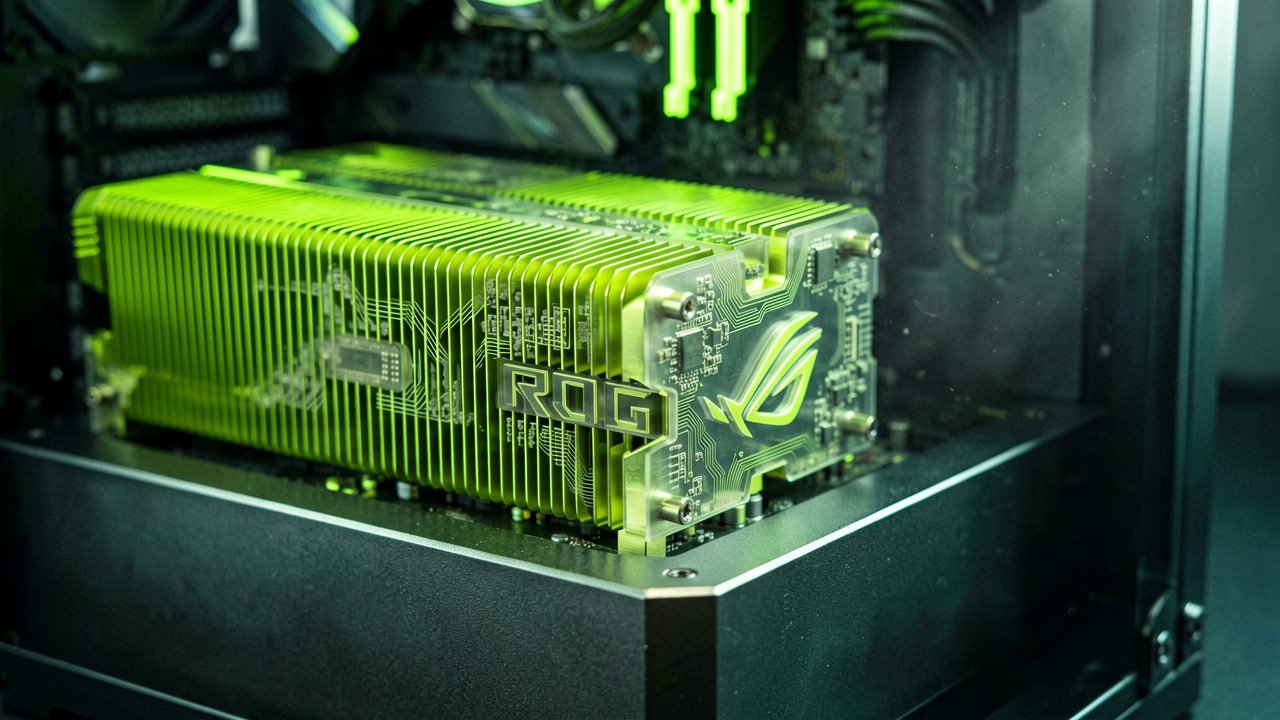
The handheld console manufacturer ASUS Republic of Gamers announced the ROG NUC 16, a compact gaming PC powered by up to an Intel Core Ultra 9 290HX Plus processor and an NVIDIA GeForce RTX 5080 Laptop GPU. The three-liter chassis delivers desktop-class performance in a footprint that fits on most desks without demanding a dedicated tower space.
According to the official press release, the system supports up to 128GB of DDR5-6400 memory and includes 16GB of dedicated GDDR7 memory for the GPU. This configuration enables up to 1334 AI TOPS for local AI computing workloads, positioning the machine for both gaming and creative applications.
For AAA gaming, DLSS 4.5 can reduce latency and generate up to five additional frames per rendered frame. The updated Super Resolution transformer model delivers improved lighting, finer details, and clearer motion, benefiting real-time rendering and up to 8K creative workloads. Combined with the Intel Core Ultra 9 290HX Plus processor, ROG NUC 16 delivers up to 2.3% better 3DMark performance than its predecessor.
Thermal management matters in a three-liter box (and ASUS knows this). The QuietFlow Cooling design includes three fans, each measuring 102 x 102 x 17 mm, plus a dual vapor chamber. CPU thermal coverage has increased by 12% versus the previous generation, allowing the processor to perform closer to its full potential during sustained loads.
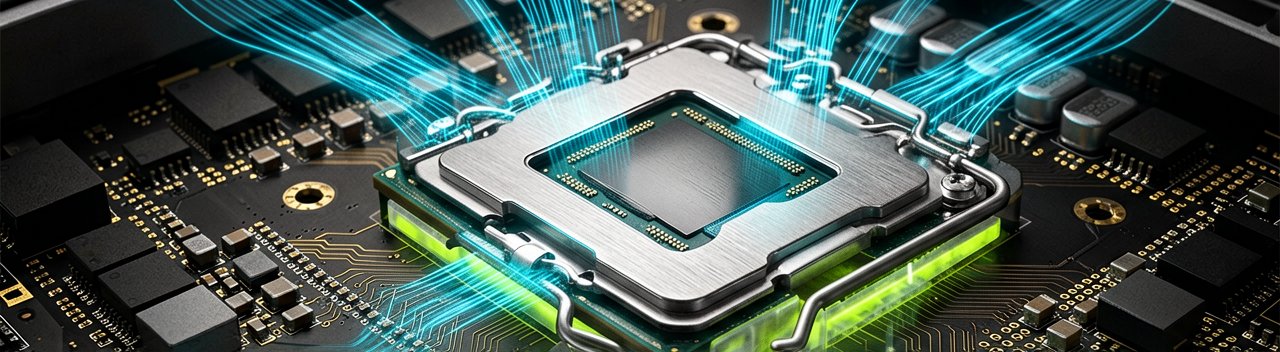
A dedicated SSD heatsink lowers operating temperatures from 72°C to 59°C compared to a system without one. The ROG NUC 16 operates at just under 38 dBA even under full workloads — comparable to a library — keeping fan noise low during gaming and creative sessions. That's the kind of acoustic performance that matters when you're editing video late at night.
The ROG NUC 16 introduces the series' first-ever Moonlight White Edition, housed in a metal chassis. With its patented removable stand, users can position the system vertically or horizontally — for example, in a living room for up to 8K gaming, or on a desktop to support up to five 4K displays. Thunderbolt 4 enables fast external storage connectivity for large video files, making creative workflows smoother and more efficient.
The system also features GlideX, a cross-device, cross-platform screen sharing and control solution that supports both wired and wireless connections. This helps users create a bigger, better workspace or gaming setup without needing multiple physical monitors. The physical reality of plugging in cables and managing display outputs gets simplified.
Industry context matters here. The ROG NUC 16 sits alongside the ASUS NUC 16 Pro Mini PC, which targets enterprise users with Intel Core Ultra X9 Series 3 processors and up to 180 platform TOPS of AI performance. There's also the ROG GR70 Gaming Mini PC, the first ROG gaming mini PC powered by an AMD Ryzen 9 CPU with NVIDIA GeForce RTX 5070 or RTX 5060 laptop GPUs.
Whether users actually pay for the premium pricing of a compact RTX 5080 system remains the real question. The technology works, the thermal design is sound, and the form factor appeals to space-constrained setups. But the market will decide if this niche justifies the cost.
Time will tell if the ROG NUC 16 becomes a mainstream option or stays a boutique product for enthusiasts who value desk real estate over raw value. At least the Moonlight White Edition looks good while you wait for prices to drop.
Artūras Malašauskas is an AI Systems Integrator with 20+ years of production-grade web engineering experience. He has designed, shipped, and scaled enterprise Python/PHP systems for logistics, SaaS, and public-sector clients. For the past year, he has focused exclusively on AI integrations: deploying open-source LLMs, building generative media pipelines (image, audio, video), and engineering multi-agent workflows for real production environments. His standard: reproducibility, security, cost-efficient inference—no vaporware. He documents and evaluates emerging AI tooling, separating verified capabilities from marketing noise. Technical editor at: muza-ai.eu, ai-verslas.lt, ai-naujinos.lt Connect on LinkedIn
Comments