Nokia Launches Agentic AI for Home and Broadband Networks
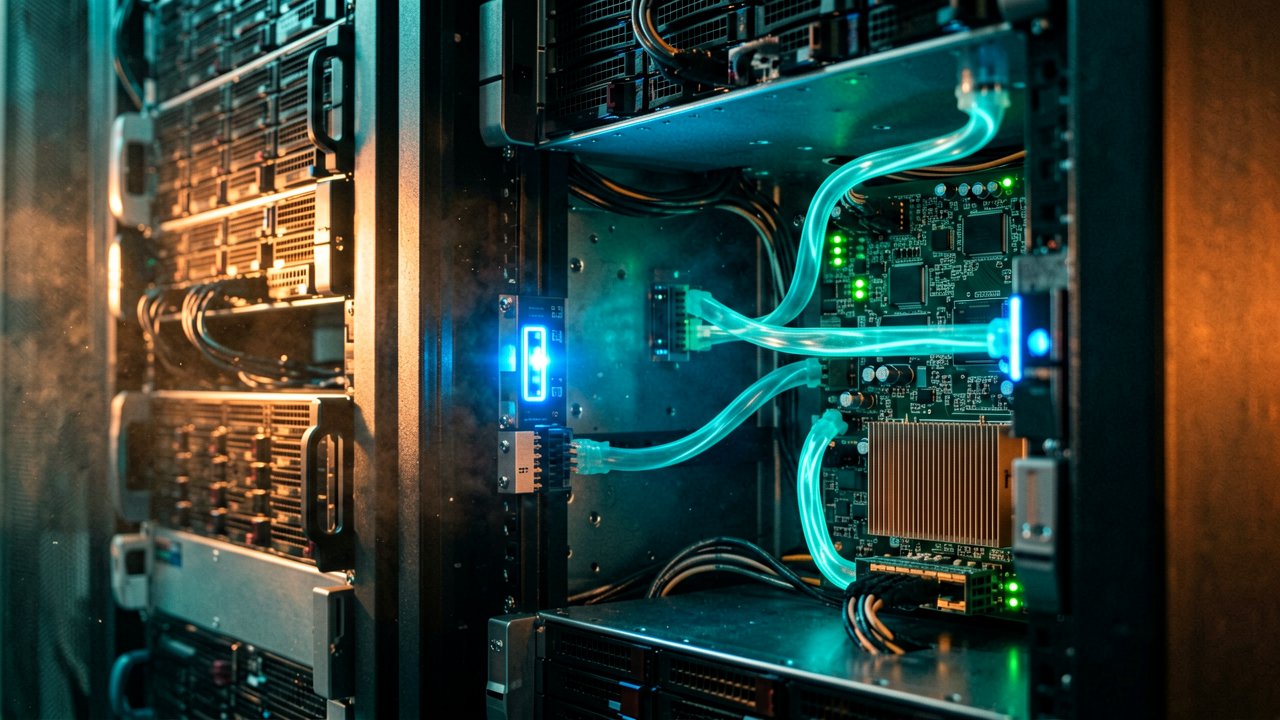
The telecommunications infrastructure giant Nokia has announced a new agentic AI suite designed to automate operations across home and broadband networks. The announcement comes via an official press release detailing capabilities embedded across the company's Altiplano, Corteca, and Broadband Easy platforms.
According to the official Nokia press release, the system draws on insights from over 600 million broadband lines already deployed in the field. That's not theoretical data—it's real-world network behavior from actual installations spanning multiple continents and infrastructure types.
The core promise is straightforward: autonomous AI agents capable of reasoning and decision-making rather than simple rule-based automation. Nokia claims these agents can qualify network incidents within five minutes and lift first-contact helpdesk resolution rates above 50%. Field technicians would see a 50% reduction in return visits to construction sites and connected homes.
Independent reporting from Marketscreener corroborates the platform integration details and the open architecture approach. Operators retain control over which large language models they deploy and can connect their own data sources as they scale AI across their business.
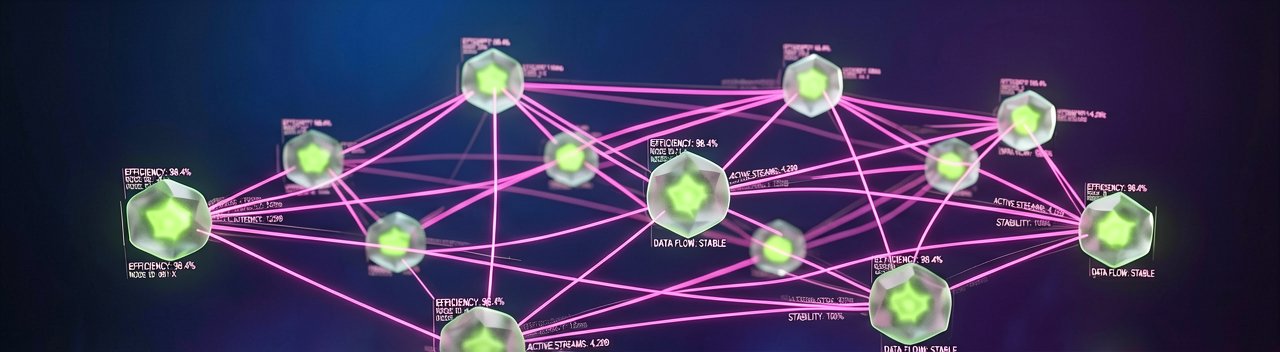
The physical reality of this technology matters. Field technicians using AI-powered text, voice, and image guidance during surveys and installations get real-time feedback. Computer vision validates work quality and builds a live digital twin of the fiber-to-the-home network. That's not just software—it's a technician holding a tablet, scanning a splice point, and getting instant confirmation whether the connection meets spec.
Industry context puts this in perspective. Nokia states the telecom sector is set to invest $6.2 billion in agentic AI by 2030. The cognitive broadband era, as Nokia calls it, moves networks beyond basic connectivity toward self-optimizing infrastructures. (The industry has been promising self-healing networks for a decade, so skepticism is warranted.)
The architecture emphasizes open standards and vendor independence. Operators can work with an LLM that fits their specific use case, use their own interfaces, or connect external data sources. This contrasts with closed AI ecosystems where the vendor controls the entire stack—a critical distinction for telecom operators managing multi-vendor environments.
Four main capabilities span the broadband network lifecycle. An AI assistant with conversational interface gives technicians instant access to product knowledge. Automated diagnostics detect degradations before outages occur. A troubleshooting agent improves root cause analysis using advanced reasoning. Computer vision technology validates installation quality and builds digital twins of FTTH networks.

The business case focuses on three areas: customer care, network engineering operations, and field force teams. AI makes end-users less likely to churn, engineering teams more productive, and field teams connect more homes more quickly. The math is simple—fewer truck rolls, faster resolution, happier customers.
Data quality remains the bottleneck. Nokia's market outlook on AI in network automation underscores that infrastructure must be AI-ready for powerful outcomes. Vendors combining deep domain expertise with real-world scale are positioned to deliver reliable results. Nokia's approach includes autonomous control loops, structured data models, and open APIs.
Whether operators actually achieve the claimed 50% metrics depends on implementation quality, data readiness, and integration complexity. The technology exists, but the real test comes when field technicians actually use it during a 3 AM outage in a rural deployment. That's when the rubber meets the road—or rather, when the fiber meets the splice.
Artūras Malašauskas is an AI Systems Integrator with 20+ years of production-grade web engineering experience. He has designed, shipped, and scaled enterprise Python/PHP systems for logistics, SaaS, and public-sector clients. For the past year, he has focused exclusively on AI integrations: deploying open-source LLMs, building generative media pipelines (image, audio, video), and engineering multi-agent workflows for real production environments. His standard: reproducibility, security, cost-efficient inference—no vaporware. He documents and evaluates emerging AI tooling, separating verified capabilities from marketing noise. Technical editor at: muza-ai.eu, ai-verslas.lt, ai-naujinos.lt Connect on LinkedIn
Comments