Beyond the Chip: How Everyday Investors Can Profit From the AI Boom via Physical Infrastructure
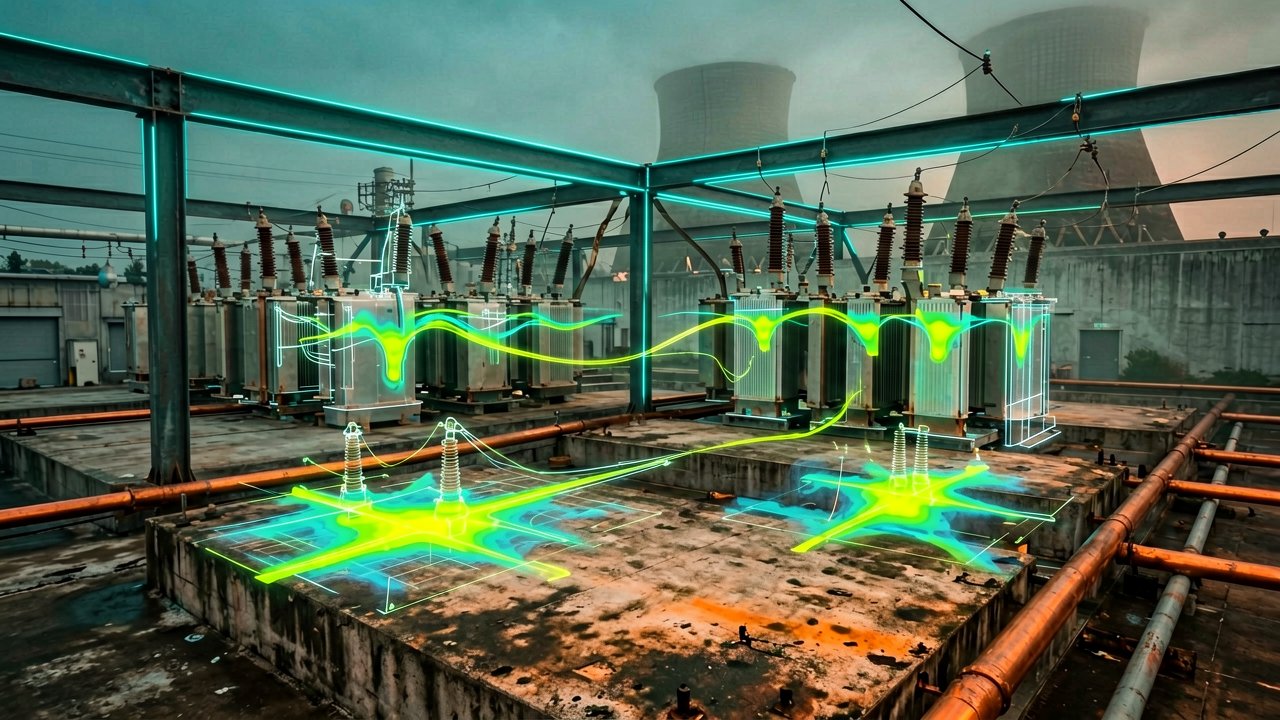
The relentless expansion of artificial intelligence has triggered an unprecedented capital expenditure supercycle, yet the most reliable avenues for individual investors no longer reside within volatile front-end software or chip manufacturing equities. Instead, recent market intelligence highlights a structural reallocation toward the physical engine of computational capability, shifting focus directly onto the overlooked sectors of utility networks, industrial supply chains, and specialized real estate. By targeting these essential building blocks, retail portfolios can capture steady, regulated growth driven entirely by the massive resource demands of hyperscale computing facilities.
This strategic shift is fundamentally a response to severe physical bottlenecks, as the sheer scale of the digital buildout tests the limits of the physical world. According to data published by Data Center Knowledge, global spending on data centers is forecasted to reach $653 billion, reflecting a massive 31.7% increase that forces organizations to fundamentally rethink infrastructure ownership and financing. Consequently, the core investment opportunity has shifted from speculative tech valuations to concrete, long-cycle industries that face immediate, inelastic demand for their services.
The Power Bottleneck and Utility Sector Growth
The most acute constraint facing modern artificial intelligence centers is electricity availability, transforming traditionally defensive utility providers into core growth assets. High-density server deployments require continuous, high-volume electricity, leading to a projected reality where data centers could consume up to 12% of total domestic power over the next decade. Analysis from Investing.com highlights that this surge in structural demand has established a powerful moat for utilities possessing existing generation capacity and local grid monopolies, bypassing the equity volatility common to tech innovators.
Industrial Supply Chains and Onsite Infrastructure
Because expanding public transmission grids can take several years due to complex regulatory hurdles, hyperscalers are increasingly forced to fund decentralized, onsite infrastructure. This trend favors industrial manufacturers specializing in high-capacity electrical equipment, liquid cooling systems, and localized microgrids. Reports from Morgan Stanley outline how tech giants are heavily utilizing credit markets to secure off-grid options like natural gas turbines, fuel cells, and industrial batteries, ensuring a massive multi-year order backlog for established heavy-equipment companies.

Specialized Real Estate and Digital Infrastructure Trusts
Beyond power and equipment, physical land with direct access to pre-secured grid connections has become one of the most valuable commodities in modern real estate. Real Estate Investment Trusts (REITs) that specialize in wholesaling digital properties allow regular investors to receive consistent dividend income backed by long-term leases with major tech tenants. As detailed by Forbes, prominent infrastructure operators provide clear exposure to the physical footprint of global cloud platforms without requiring investors to accurately predict which specific software model or chip architecture will ultimately dominate the market.
The Unseen Foundations of Digital Growth
Behind the Physical Curtain: The transition from digital speculation to physical execution marks a definitive turning point in how modern computing booms operate. During the initial wave of artificial intelligence development, market participants focused almost exclusively on large language models and the high-performance silicon chips required to train them. However, seasoned industry observers recognize that software breakthroughs remain entirely dependent on heavy industrial engineering, specialized metallurgy, and massive concrete footprints. This dependency creates a distinct, long-cycle investment ecosystem that mirrors the physical resource rushes of previous centuries, where the suppliers of essential materials achieved far more durable profitability than individual prospectors.
A primary driver of this shift is the reality of grid interconnection queues, which now stretch several years in major industrial corridors. Technology corporations are no longer simply buying real estate; they are hunting for specific parcels of land equipped with legacy industrial power allocations, such as decommissioned manufacturing plants or aluminum smelters. This urgent search has completely altered local economic dynamics, transforming rural utilities and regional grid operators into critical gatekeepers for global technological advancement. Consequently, corporate procurement teams find themselves negotiating directly with structural engineers and energy regulators rather than software developers, underscoring the deeply physical nature of the computational buildout.
Furthermore, the internal architecture of these facilities requires a complete overhaul of traditional cooling and building management systems. Standard air-cooling methods are entirely inadequate for the immense thermal output generated by dense server configurations, forcing an industry-wide transition toward closed-loop liquid cooling networks and advanced heat exchangers. This technical demand benefits established, multi-generational industrial manufacturing companies that previously serviced chemical plants or heavy maritime vessels. These legacy equipment providers now command unprecedented order backlogs, shielded from the rapid obsolescence cycles that constantly threaten consumer-facing software applications.
From a portfolio perspective, these infrastructure sectors offer a unique combinations of capital safety and structural upside. While a front-end software enterprise faces the constant threat of open-source disruption or rapid market shifts, a regulated electrical utility or a specialized logistics trust operates with long-term, inflation-protected contracts. Sovereign wealth funds and institutional asset managers are systematically shifting capital into these physical asset classes to build a defensive foundation capable of absorbing broader market volatility. For individual investors, aligning with this institutional movement provides direct exposure to the financial rewards of the technological transition while avoiding the high-stakes risks of overvalued equity markets.
The Hidden Vulnerabilities of the Real Estate and Energy Consensus
Reading Between the Lines: The prevailing market narrative paints a picture of flawless growth for the physical layers of artificial intelligence infrastructure, yet this consensus overlooks significant structural contradictions. Wall Street heavily promotes data center real estate and regulated utilities as bulletproof, low-risk proxies for the technological boom, drawing an analogy to the reliable suppliers of shovels during a gold rush. However, this simplified view ignores the intense capital concentration risk building up within these legacy sectors, where multi-billion-dollar investments are being committed based on highly speculative projections of long-term software demand. If consumer adoption of premium generative software fails to generate sustained profitability, the immense digital complexes currently under construction risk becoming monumentally expensive, underutilized industrial monuments.
A major friction point centers on the stark divergence between corporate sustainability goals and the immediate realities of energy grids. Technology conglomerates frequently promote carbon-neutral timelines and reliance on renewable energy credits, yet their physical operations demand unwavering, high-intensity baseload power that wind and solar assets simply cannot supply on their own. This operational reality forces an awkward, unspoken dependence on natural gas generation and aging nuclear facilities, triggering pushback from environmental regulators and local communities. For investors, this tension introduces unpredictable regulatory risks, as local governments increasingly propose punitive electricity tariffs or outright moratoriums on new facility construction to safeguard local public grids from destabilization.
Furthermore, the long-term assumption that these digital real estate assets will retain their value over decades overlooks the rapid pace of hardware optimization. While real estate trusts lock tenants into extended, fifteen-year leases, the server hardware inside these buildings becomes obsolete every three to five years, requiring massive power grid overhauls and complete structural retrofits. If future chip microarchitectures become drastically more efficient, the premium currently placed on high-density power access could evaporate, leaving developers holding overly complex, highly specialized properties that cannot easily be repurposed for traditional industrial use. This mismatch between short-term tech life cycles and long-term real estate financing represents a core vulnerability that standard market analyses routinely choose to ignore.
Ultimately, this infrastructural pivot reveals a striking irony within the modern tech economy, as the most advanced digital revolution in history finds itself completely constrained by mundane, nineteenth-century industrial limitations. Portfolios seeking refuge in utility monopolies and electrical equipment manufacturers are making a rational defensive choice, but they remain fundamentally tied to the same speculative tech bubble they are trying to avoid. True safety in this market cycle requires recognizing that while physical infrastructure provides a sturdier cushion against sudden tech corrections, it is not entirely immune to a broader economic slowdown if the software market fails to mature.
A Pragmatic View from the Trading Floor
"In the current economic climate, the safest way to strike gold in the digital revolution is to bypass the software geniuses entirely and buy the concrete, copper, and cooling fluid they need to survive. After all, history shows us that while tech visionaries are busy fighting over who will rule the future, it is always the local power company that sends the final bill."
Artūras Malašauskas is an AI Systems Integrator with 20+ years of production-grade web engineering experience. He has designed, shipped, and scaled enterprise Python/PHP systems for logistics, SaaS, and public-sector clients. For the past year, he has focused exclusively on AI integrations: deploying open-source LLMs, building generative media pipelines (image, audio, video), and engineering multi-agent workflows for real production environments. His standard: reproducibility, security, cost-efficient inference—no vaporware. He documents and evaluates emerging AI tooling, separating verified capabilities from marketing noise. Technical editor at: muza-ai.eu, ai-verslas.lt, ai-naujinos.lt Connect on LinkedIn
Comments