Motorola Edge 2026 Debuts with Dimensity 7450: A Bold Redefinition of Mid-Range Value
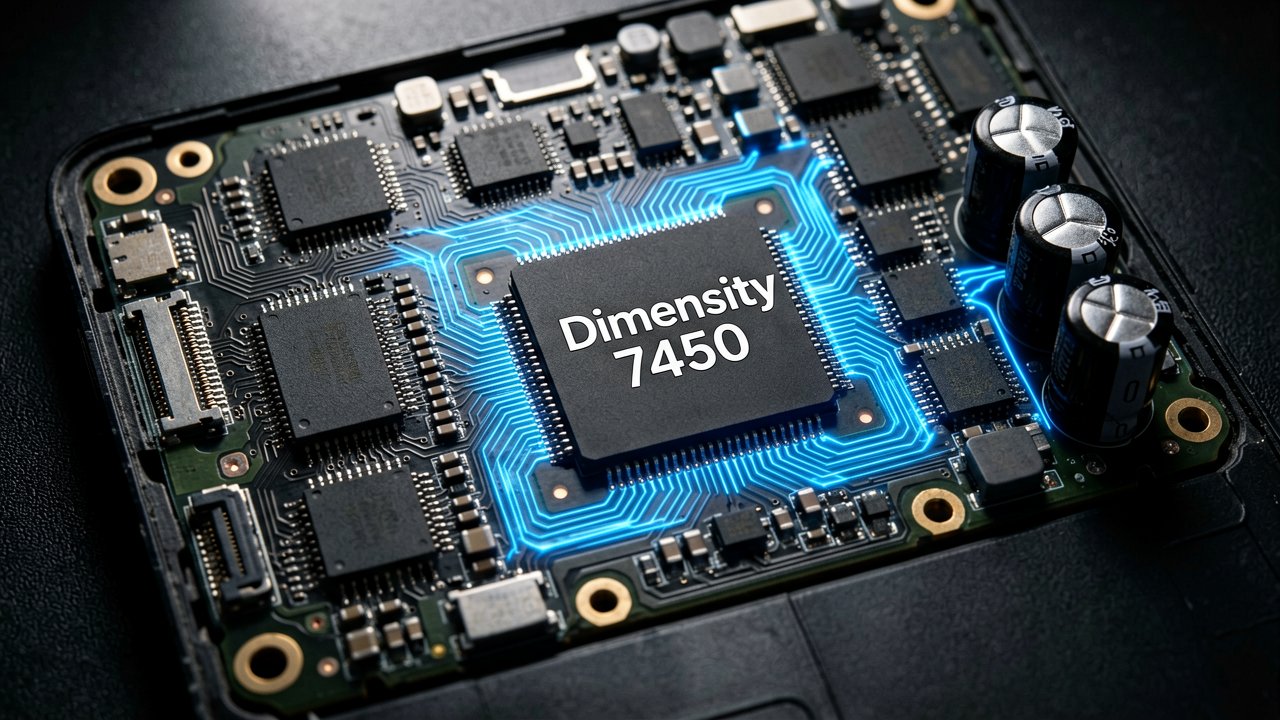
Motorola has officially taken the wraps off its latest mid-range contender, the Motorola Edge 2026, marking a deliberate and fascinating shift in how the brand targets value-conscious consumers. Unveiled on June 2, 2026, this sleek newcomer bypasses the usual Qualcomm silicon in favor of MediaTek’s new 4nm Dimensity 7450 chipset, signaling a fiercely competitive landscape where specialized processors are being leveraged to maximize performance without breaking the bank. By focusing heavily on hand-feel, pocketability, and specialized processing, the latest Edge aims to set a brand-new benchmark for what buyers can expect from a sub-$600 device.
According to an official release on Motorola News, the smartphone abandons the massive, curved footprints of its predecessors for a remarkably compact 6.3-inch "Extreme AMOLED" display. This flat panel boasts a crisp 1.5K Super HD resolution, a smooth 120Hz refresh rate, and an astonishing peak brightness of up to 5,200 nits. The chassis is wrapped in an earthy, textured Pantone Martini Olive twill finish, managing to stand out visually in a sea of generic glass slabs while carrying robust dual IP68 and IP69 ratings against dust and high-pressure water streams.
Under the Hood and Behind the Lens
The real story lies in the hardware synergy, where the MediaTek Dimensity 7450 works alongside 8GB of LPDDR5X RAM and 128GB of onboard storage to drive Android 16 out of the box. As reported by PhoneArena, this combination ensures optimized power efficiency, allowing the trimmed-down 5,000mAh battery to comfortably stretch through a heavy day of use. When it does run dry, the phone recovers rapidly thanks to 60W TurboPower wired charging and 15W wireless charging capabilities.
Motorola didn’t cut corners on the camera array either, outfitting the device with a highly capable triple-lens setup on the rear. The main imaging heavy lifting is done by a 50-megapixel Sony Lytia 710 sensor equipped with Optical Image Stabilization, flanked by a 50-megapixel ultrawide macro lens and a dedicated 10-megapixel telephoto lens featuring 3x optical zoom. Up front, a matching 50-megapixel selfie shooter ensures crisp video calls. The package hits US retail shelves on June 11 at a starting price of $599 through major carriers and electronics retailers, offering an aggressive blend of premium durability and mainstream performance.
Beneath the Spec Sheet: The strategic pivot inside the Motorola Edge 2026 represents a massive gamble on consumer priorities, moving away from the industry's obsession with brute processing power toward thermal stability and real-world battery endurance. Historically, Motorola relied heavily on Qualcomm’s Snapdragon ecosystem to anchor its mid-range lineup, a choice driven as much by developer familiarity as by raw benchmarking numbers. However, escalating licensing costs and silicon overhead have squeezed profit margins tight, prompting the engineering team to seek alternative architectures that keep the device accessible to the average buyer.
By opting for MediaTek's specialized Dimensity 7450 platform, Motorola isn’t just chasing a cheaper bill of materials; it is actively aligning with a broader industry trend where specialized, application-specific silicon outperforms generic multi-core rivals under daily sustained workloads. Silicon market analysts note that MediaTek has quietly closed the performance gap in the mid-tier sector, offering superior integrated modems and highly efficient image signal processors that require less battery overhead. This specific hardware marriage allows the phone to process dense, multi-frame night photography algorithms without the typical thermal throttling that plagued older mid-range iterations.
A Balancing Act in a Tight Market
Industry insiders suggest that this launch serves as a litmus test for carriers who dominate North American retail distribution, where long-term customer satisfaction relies on sustained software performance rather than day-one novelty. Previously, mid-range consumers routinely complained about aggressive battery degradation and sluggish interfaces after eighteen months of use, an issue stemming from chipsets being pushed to their absolute thermal limits. Motorola's engineers designed the cooling architecture of this new model specifically around the efficiency curves of the Dimensity chip, aiming to double the operational longevity of the phone's power cells.
The aggressive sub-$600 pricing strategy puts enormous pressure on rivals who are still trying to subsidize expensive component pricing through carrier lock-in agreements. While competitors continue to trim costs by using plastic frames or omitting optical zoom lenses altogether, Motorola's decision to include a dedicated telephoto camera alongside robust IP69 waterproofing sets a demanding new baseline for value. This shift proves that the mid-range battleground is no longer about who can offer the cheapest device, but who can pack the most flagship-tier compromises into a single, cohesive daily driver.
Reading Between the Lines: The glowing marketing narrative surrounding the Motorola Edge 2026 conveniently papers over a glaring paradox in the brand’s current hardware trajectory. On one hand, Motorola is heavily promoting the inclusion of a dedicated 3x telephoto zoom lens and a high-fidelity 50-megapixel primary sensor, pitching the device as a serious tool for mobile shutterbugs. On the other hand, the brand’s decision to throttle base storage at a mere 128GB in the entry model feels remarkably short-sighted. In an era where 1.5K display assets, massive Android 16 system files, and high-resolution media capture consume space at an alarming rate, this meager storage ceiling exposes a painful compromise that will likely force users into paying for cloud subscriptions or opting for pricier configurations almost immediately.
Furthermore, the pivot to MediaTek’s Dimensity 7450 chipset, while framed as a masterful stroke of efficiency engineering, introduces a historical vulnerability that seasoned tech buyers view with earned skepticism: long-term software support. Qualcomm chipsets have long enjoyed a dominant share of developer attention, meaning third-party app optimization and timely Android kernel updates flow relatively seamlessly. Historically, MediaTek-powered mid-rangers have suffered from prolonged update delays, leaving devices stranded on older firmware versions while their Snapdragon-powered counterparts move forward. If Motorola intends to truly establish a new mid-range benchmark, its software team will need to break past precedents and prove they can deliver rapid security patches over the phone’s promised lifespan.
The Realities of the Five-Thousand Nit Mirage
There is also the matter of the much-touted 5,200-nit peak display brightness, a specification that looks incredible on a retail placard but rarely translates to real-world utility. These extreme brightness levels are typically achieved only under highly specific laboratory conditions, localized to tiny clusters of pixels during high-dynamic-range playback for fractions of a second. Pushing a mid-range display panel anywhere near that ceiling in everyday sunlight would instantly melt through the trimmed-down 5,000mAh battery and trigger aggressive thermal throttling from the processor. By prioritizing these headline-grabbing, flashy specifications over practical, sustained metrics, Motorola risks alienating the very tech-literate consumers who drive word-of-mouth recommendations in this competitive tier.
"We have officially reached the era of the 'champagne phone on a beer budget,' where you get a display bright enough to signal passing aircraft and water resistance fit for a deep-sea submarine, just as long as you don't mind deleting three apps every time you want to download a software update."
Artūras Malašauskas is an AI Systems Integrator with 20+ years of production-grade web engineering experience. He has designed, shipped, and scaled enterprise Python/PHP systems for logistics, SaaS, and public-sector clients. For the past year, he has focused exclusively on AI integrations: deploying open-source LLMs, building generative media pipelines (image, audio, video), and engineering multi-agent workflows for real production environments. His standard: reproducibility, security, cost-efficient inference—no vaporware. He documents and evaluates emerging AI tooling, separating verified capabilities from marketing noise. Technical editor at: muza-ai.eu, ai-verslas.lt, ai-naujinos.lt Connect on LinkedIn
Comments