Rockwell Injects AI Smart Only Where it Matters: Inside the New SecureOT Upgrade
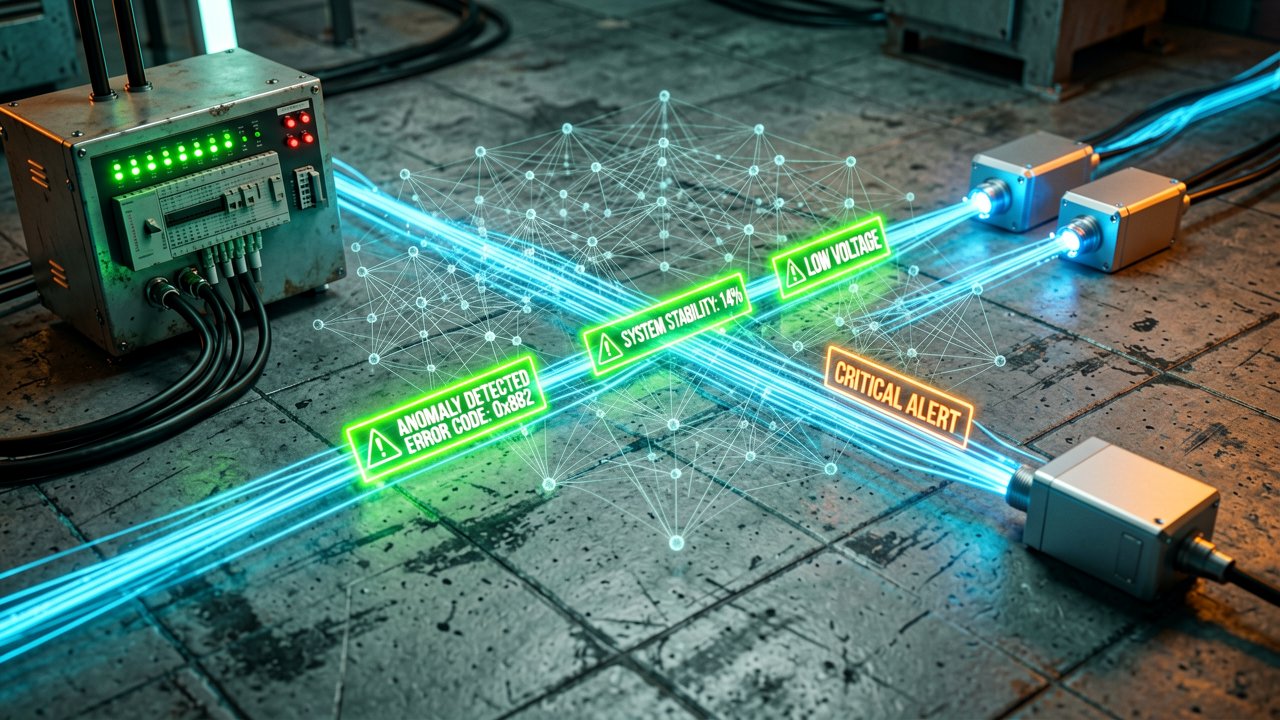
Operational technology has always been a tough beast to tame when it comes to cybersecurity. Unlike traditional IT environments where you can just push a quick patch and reboot, an unexpected outage on a factory floor or power grid can cause absolute chaos. It is a reality Rockwell Automation knows inside out, which is exactly why their freshly minted expansion of the SecureOT Suite feels like a calculated move to patch the widening gaps in industrial networks.
Announced on June 9, 2026, the updated SecureOT offering bakes machine learning and intelligent automation directly into the bedrock of industrial control systems. The goal here is simple: stop treating operational security like a secondary IT afterthought. By using machine learning to map out baseline operational behavior, the software detects anomalies and deploys automated responses in real-time. This cuts through the noise of legacy alert systems that have historically buried engineers under an avalanche of false alarms.
Defending the Factory Floor
What makes this expansion stand out is how it directly confronts the sheer exhaustion plaguing modern security teams. Ransomware and state-sponsored groups are routinely targeting manufacturing pipelines, and there simply are not enough human analysts to watch every single node. The updated suite brings specialized assessments and managed services directly to multi-vendor environments. It proves Rockwell understands that no factory operates on an entirely uniform stack of hardware.
By coupling continuous threat detection with a highly structured risk prioritization model, the system flags the vulnerabilities that actually pose an active threat to production lines. This is a massive shift away from rigid, legacy security models. The update gives industrial operators the visibility they need without forcing them to rip and replace their existing infrastructure—a pragmatic win for a sector that historically measures equipment lifespans in decades rather than years.
The Hidden Strain on Industrial Infrastructure
Behind the Data Sheets: The real catalyst for this shift isn't just the advancement of machine learning; it is the sheer desperation of a sector running out of time and personnel. For years, the industrial sector operated under the comforting illusion of the "air gap"—the idea that keeping factory floors physically disconnected from the internet kept them safe. Today, that barrier is entirely gone, dissolved by the necessity of cloud analytics, remote maintenance, and real-time supply chain tracking. This digital convergence has left infrastructure exposed to sophisticated threat actors who know exactly how to exploit the fragile protocols governing heavy machinery.
Plant engineers and security operations center analysts have historically lived in two completely different worlds. An IT analyst might see an unusual data packet and immediately quarantine the device, but doing that on a live production line could ruin millions of dollars of product or halt a regional utility grid. Rockwell’s integration of automated threat responses is a delicate balancing act designed to bridge this cultural divide. The system is tuned to understand industrial context, ensuring that automated mitigation strategies prioritize operational continuity over blunt, disruptive network isolation.
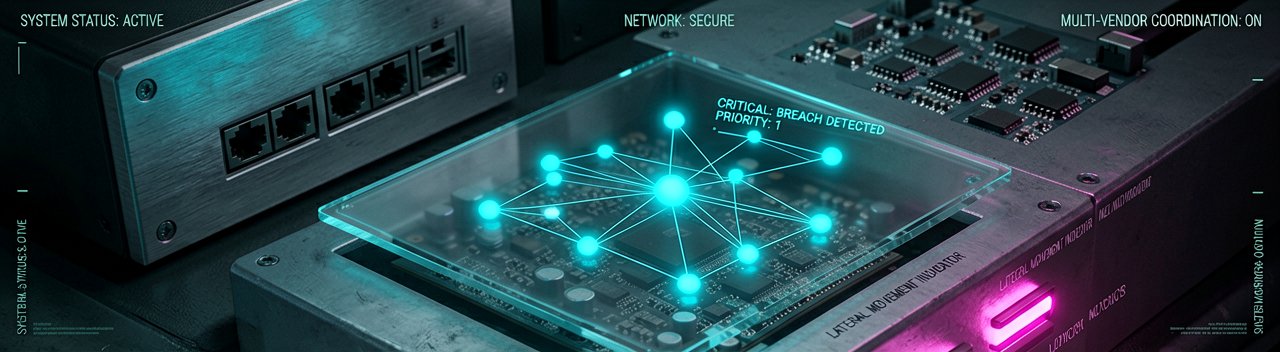
Industry insiders point out that the threat landscape has evolved from opportunistic ransomware to highly targeted, state-sponsored campaigns aimed at disruption rather than digital extortion. When a cyberattack hits an operational technology environment, the stakes shift from stolen financial data to physical safety hazards and supply chain paralysis. By embedding continuous anomaly detection directly into the SecureOT Suite, the platform acts as an automated early warning system, catching lateral movement within a network before an attacker can gain control of programmable logic controllers.
The long-term success of this rollout will ultimately depend on how well the machine learning algorithms adapt to the messy, non-standardized realities of legacy factories. Many facilities rely on a patchwork of equipment spanning multiple decades, where old serial connections meet modern Ethernet interfaces. Rockwell’s strategy acknowledges this complexity by offering managed services alongside the software upgrade, recognizing that technology alone cannot fix a systemic lack of specialized cybersecurity talent on the factory floor.
The Paradox of Autonomous Defense
Reading Between the Lines: The tech industry’s current obsession with treating artificial intelligence as a universal cure-all tends to obscure a fundamental vulnerability: automation invariably introduces its own unique attack vectors. While Rockwell’s automated threat response promises to relieve overwhelmed security teams, it simultaneously shifts the target. If an adversary can successfully compromise or trick the machine learning model itself—a tactic known as adversarial perturbation—they could theoretically trick the security system into shutting down critical production lines under the guise of an automated defense protocol. The industry is effectively replacing human error with algorithmic unpredictability.
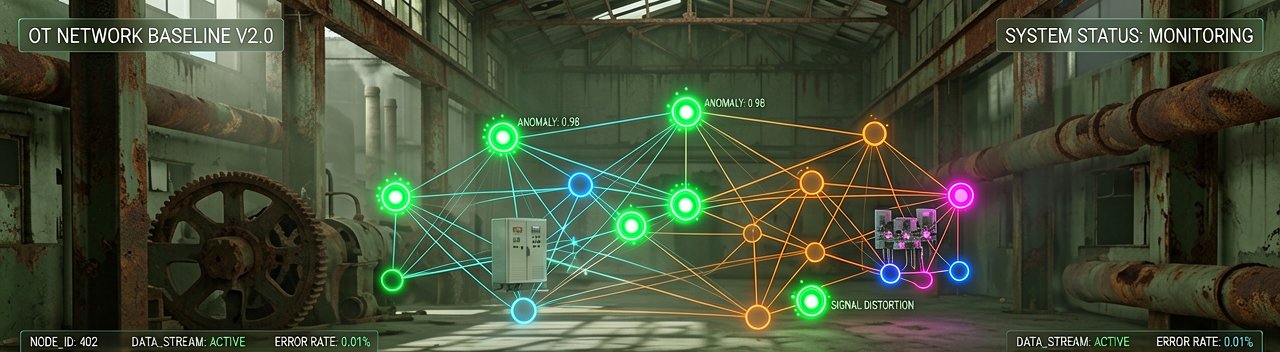
There is also a glaring contradiction in the promise of seamless, multi-vendor compatibility. Rockwell Automation naturally designs its ecosystem to work best with its own hardware, yet the modern industrial landscape is a chaotic mosaic of competing brands and legacy installations. For an AI security suite to accurately map a network baseline, it requires deep, unfettered access to data streams from every controller and sensor on the floor. In practice, achieving this level of granular visibility across proprietary systems from rival manufacturers often requires complex workarounds, potentially creating new blind spots rather than eliminating them.
Furthermore, relying on machine learning to catch anomalies inherently assumes that the past is a reliable guide to the future. Modern cyber warfare thrives on zero-day exploits and highly customized, unprecedented attack methodologies that do not leave traditional behavioral footprints. An algorithm trained on historical data might completely miss a highly sophisticated, slow-and-low attack that purposefully mimics normal operational variances over several months. This raises the distinct possibility that facilities might inherit a false sense of security, mistaking an absence of alerts for an absence of threats.
Ultimately, this technological push highlights a broader reluctance within the industrial sector to address the root cause of its vulnerability: aging infrastructure that was never designed to be secure. No amount of intelligent software overlay can entirely compensate for a programmable logic controller that lacks basic cryptographic authentication. Until asset owners commit to the costly and painful process of upgrading their underlying physical hardware, AI security tools will largely serve as highly sophisticated digital band-aids on inherently fragile networks.
We have officially entered an era where machines are tasked with defending other machines from human mischief. It is a comforting thought, right up until the automated security system decides the most efficient way to prevent a cyberattack on a factory is to keep the factory permanently turned off.
Artūras Malašauskas is an AI Systems Integrator with 20+ years of production-grade web engineering experience. He has designed, shipped, and scaled enterprise Python/PHP systems for logistics, SaaS, and public-sector clients. For the past year, he has focused exclusively on AI integrations: deploying open-source LLMs, building generative media pipelines (image, audio, video), and engineering multi-agent workflows for real production environments. His standard: reproducibility, security, cost-efficient inference—no vaporware. He documents and evaluates emerging AI tooling, separating verified capabilities from marketing noise. Technical editor at: muza-ai.eu, ai-verslas.lt, ai-naujinos.lt Connect on LinkedIn
Comments