XTM One Signals Shift to AI-Driven Threat Exposure Management in Cybersecurity
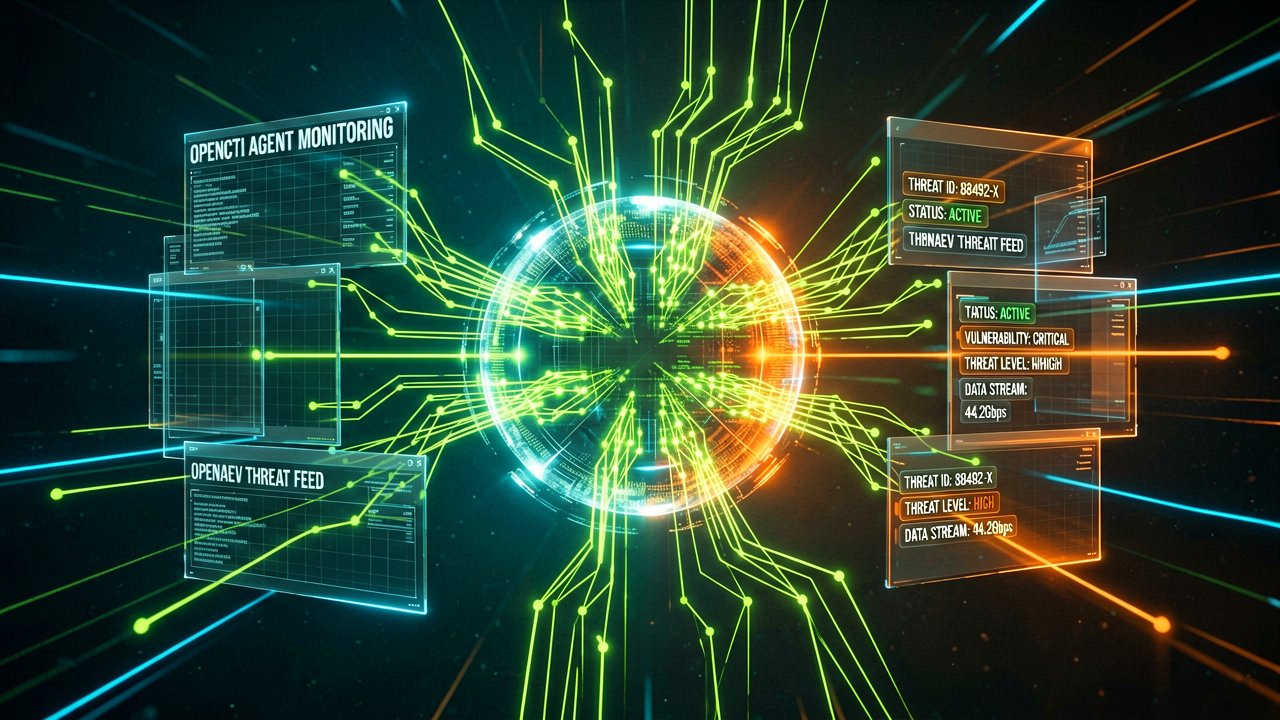
The manual, fragmented nature of cybersecurity operations faces a fundamental transformation with the launch of XTM One by European open-source threat management provider Business Wire . This AI-native platform functions as a dedicated orchestration layer designed to automate complex Continuous Threat Exposure Management (CTEM) cycles. By integrating two major elements of the company’s product portfolio, OpenCTI and OpenAEV, the platform establishes a continuous workflow from raw threat intelligence ingestion directly to validated defensive remedies.
Security teams traditionally endure a fractured workflow, moving back and forth between isolated tools to ingest threat intelligence, map potential attack paths, and track mitigation protocols. This disjointed procedure often exacerbates analytical fatigue and creates critical latency periods that attackers can exploit. This innovation addresses these workflow handoffs by coordinating an interconnected system of specialized, prepackaged AI agents capable of handling time-intensive security routines, reducing manual preparation times by up to 80% for offensive security testing.
The platform introduces substantial structural flexibility through Bring Your Own LLM (BYOLLM) support and local on-premises deployment configurations, accommodating strict compliance protocols required by highly regulated industries and government entities. Early performance benchmarks indicate that organizations deploying the integrated platform achieve up to 70% faster threat detection and response cycles, underlining the financial and operational necessity of automation. Industry analysts observe that shifting AI from a superficial feature to an underlying operating system effectively modernizes the traditional threat-informed defense framework.
The Realities of the CTEM Evolution
Modern enterprises struggle to filter massive volumes of vulnerabilities, with tens of thousands of new common vulnerabilities and exposures (CVEs) documented annually, though only a small fraction are ever actively exploited. Continuous Threat Exposure Management (CTEM) shifts corporate posture away from static, point-in-time vulnerability assessments toward iterative loops of scoping, discovery, prioritization, validation, and mobilization. Utilizing an agentic architecture ensures that organizations prioritize exposures based on real-world threat intelligence and actual exploitability rather than theoretical risk scores.
De-Siloing Threat Intelligence with Agentic Orchestration
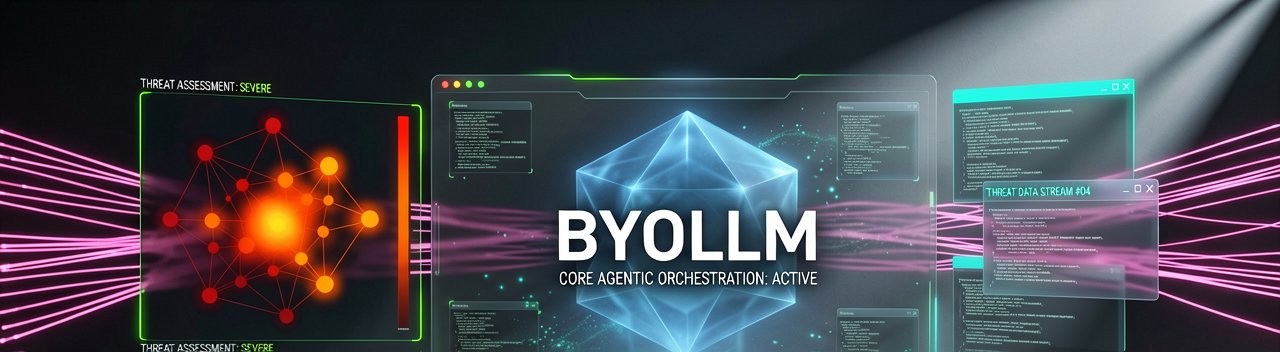
The core innovation of the platform relies on cross-product cooperation, allowing autonomous AI agents to correlate tactical data across once-distinct security modules. Prepackaged agents actively manage threat summarization, narrative generation, and defensive testing playbooks, directly translating automated discoveries into prioritized, actionable insights for operations teams. This paradigm addresses persistent industry talent shortages by leveraging natural language interfaces to accelerate the productivity of junior analysts while simultaneously stripping repetitive administrative burdens from seasoned practitioners.
Open-Source Collaboration Meets Enterprise Control
By blending open-source transparency with enterprise-grade deployment controls, the architecture bypasses the restrictive vendor lock-in common among legacy cybersecurity environments. Organizations retain the liberty to customize custom workflows and specialized skills while keeping sensitive analytical data fully isolated within private cloud infrastructures. As market momentum accelerates, the unification of open-source transparency, sovereign data controls, and native agentic coordination is establishing a new paradigm for how global enterprises scale their defense infrastructure.
Bridging the Execution Gap in Modern Cyber Defense
What Most Reports Miss: The actual bottleneck in enterprise cybersecurity is rarely a shortage of threat data, but rather an inability to operationalize it before the data becomes obsolete. Security operations centers are consistently overwhelmed by disconnected telemetry streams, leaving security teams struggling to decipher which indicators of compromise pose an immediate operational risk. By positioning AI as an foundational operating system rather than an isolated plugin, the launch reported by Help Net Security aims to directly solve this operational friction by forcing disparate security products to communicate natively.
Historically, threat intelligence platforms and attack simulation tools existed as separate ecosystems, managed by different teams with different priorities. An analyst identifying an emerging adversary profile in an intelligence feed would have to manually request that an offensive engineer design a simulation playbook to verify whether the company's existing defenses could stop it. This traditional disconnect allows a significant window of exposure to persist. Automating the direct handoffs between threat tracking and continuous defense validation fundamentally alters the economics of cyber defense, shifting the enterprise posture from reactive damage control to preemptive exposure management.

This integration also directly addresses the acute talent shortages and accelerating burnout currently plaguing corporate security infrastructure. By establishing a unified interface driven by agentic orchestration, junior staff can use natural language to query complex backend datasets and execute sophisticated testing playbooks that previously required years of specialized training. This shift elevates the baseline capability of tier-one security analysts, allowing seasoned security professionals to step away from repetitive data normalization tasks and focus on complex strategic risk mitigation.
Furthermore, the decision to allow local deployment options and custom large language model integrations reflects a growing commercial demand for data sovereignty. Enterprise risk officers remain deeply skeptical of cloud-hosted AI security tools that require uploading sensitive corporate network topologies or proprietary threat intelligence into third-party servers. Providing a flexible infrastructure ensures that highly regulated enterprises can modernize their automation capabilities without violating strict compliance frameworks or losing control of their private security telemetry data.
Artūras Malašauskas is an AI Systems Integrator with 20+ years of production-grade web engineering experience. He has designed, shipped, and scaled enterprise Python/PHP systems for logistics, SaaS, and public-sector clients. For the past year, he has focused exclusively on AI integrations: deploying open-source LLMs, building generative media pipelines (image, audio, video), and engineering multi-agent workflows for real production environments. His standard: reproducibility, security, cost-efficient inference—no vaporware. He documents and evaluates emerging AI tooling, separating verified capabilities from marketing noise. Technical editor at: muza-ai.eu, ai-verslas.lt, ai-naujinos.lt Connect on LinkedIn
Comments